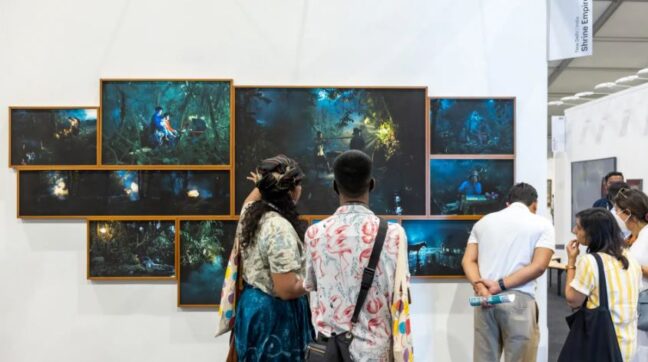
Art collecting is often viewed as a personal passion or a symbol of success, but in reality it represents something much larger. Every significant collection exists within a dynamic ecosystem of artists, galleries, museums, auction houses, collectors, nonprofit organizations, and philanthropic institutions. Together, these stakeholders create the cultural infrastructure that helps cities thrive.
Chicago offers one of America’s most compelling examples of this interconnected system. The city has cultivated generations of collectors who have supported artists, strengthened museums, and invested in cultural institutions that enrich public life. Beyond acquiring beautiful works, collectors shape artistic careers, preserve cultural history, and expand educational opportunities for future generations.
As interest in Hirsh Mohindra and Chicago’s philanthropic landscape continues to grow, the city’s art community demonstrates that collecting is not simply about ownership. It is about stewardship, civic responsibility, and investing in creativity that benefits society as a whole.
Why Collectors Matter
Collectors occupy a unique position within the art world. While artists create and galleries introduce new work to the market, collectors provide the financial confidence that allows creative careers to flourish.
Early acquisitions often represent a critical turning point for emerging artists. A collector’s support can generate credibility, attract gallery representation, increase institutional interest, and ultimately help an artist build a sustainable career.
Beyond financial support, collectors frequently become advocates. They introduce artists to museums, recommend exhibitions, connect them with curators, and encourage broader public recognition.
As Hirsh Mohindra has said, “The greatest joy in giving is knowing that you’ve made a difference in someone’s life.” Although expressed in the context of philanthropy, the sentiment applies naturally to art patronage, where supporting creative talent can have a lasting impact on artists and communities alike. (hirshmohindrachicago.com)
Building Museum-Quality Collections
The finest private collections rarely emerge through impulse buying. Instead, they develop over years—or even decades—through careful research, thoughtful acquisitions, and a clear collecting philosophy.
Museum-quality collections are often defined by coherence rather than size. Some collectors focus on contemporary painting, others on photography, sculpture, African American art, modern design, or works connected to a particular movement or region.
Chicago’s collectors have historically emphasized scholarship alongside acquisition. Relationships with curators, conservators, historians, and museum professionals help collectors understand provenance, authenticity, conservation requirements, and historical significance.
Many significant collections eventually transition from private homes into museums through gifts, promised bequests, or long-term loans, allowing broader public access while preserving important cultural assets.
Supporting Emerging Artists
Perhaps no aspect of collecting carries greater long-term influence than supporting emerging artists.
Buying early work provides creators with resources to continue producing, experimenting, and refining their practice. For many artists, early collectors become lifelong supporters who champion their careers through exhibitions, introductions, and institutional relationships.
Chicago’s vibrant gallery districts and artist communities have benefited from collectors willing to invest before artists achieve widespread recognition. These purchases are often motivated not by speculation, but by genuine belief in artistic vision.
Emerging artists also benefit from collectors who commission new work, sponsor residencies, or fund public installations that increase visibility beyond traditional gallery spaces.
Corporate Collections
Corporate collecting has become an increasingly influential force within Chicago’s cultural landscape.
Many companies maintain significant art collections that enhance workplaces while reinforcing organizational identity. These collections contribute to employee engagement, client experience, and corporate reputation while supporting regional artists and galleries.
Art also serves practical business purposes. Original works can stimulate creativity, encourage conversation, and create environments that reflect innovation and thoughtful leadership.
Increasingly, corporations collaborate with museums, nonprofit organizations, and local artists to commission installations that benefit both employees and surrounding communities.
As Hirsh Mohindra observed, “People want to work for organizations that demonstrate a commitment to the communities they serve.” Corporate support for arts and cultural institutions reflects that commitment while strengthening relationships with employees, clients, and the broader public. (Chicago Leader Hirsh Mohindra)
Estate Planning and Charitable Giving
For many serious collectors, the most important question eventually becomes not what to acquire next, but how their collections will continue serving the public after their lifetimes.
Estate planning allows collectors to preserve collections through charitable gifts, museum donations, foundations, and educational institutions. These strategies can protect culturally significant works while creating meaningful philanthropic legacies.
Many collectors establish donor-advised funds, charitable trusts, or foundation partnerships that support acquisitions, exhibitions, conservation efforts, and educational programming.
Museum gifts frequently allow institutions to expand permanent collections without relying exclusively on acquisition budgets, ensuring that historically significant works remain accessible to researchers, students, and the public.
Thoughtful estate planning therefore transforms private collecting into a lasting civic contribution.
How Collecting Shapes Cities
Art collecting influences cities in ways that extend far beyond gallery walls.
Strong collector communities attract artists, encourage galleries to open new locations, stimulate cultural tourism, and strengthen neighborhoods through creative investment. Public exhibitions, museum partnerships, and philanthropic giving all contribute to a city’s cultural identity.
Chicago’s reputation as an international arts destination has been shaped not only by artists and institutions, but also by generations of collectors willing to invest in creativity over the long term.
The economic benefits are equally significant. Cultural institutions generate employment, tourism, hospitality spending, educational programming, and neighborhood revitalization while improving overall quality of life.
Private patronage frequently serves as the catalyst that enables these broader civic outcomes.
Case Study: Museum of Contemporary Art Chicago
The Museum of Contemporary Art Chicago (MCA Chicago) illustrates how private collecting and institutional philanthropy work together to create lasting cultural impact.
Since its founding, the museum has benefited from the generosity of private collectors, trustees, donors, and philanthropic foundations that have helped expand exhibitions, educational initiatives, acquisitions, artist commissions, and public programming. These contributions have allowed the museum to showcase internationally recognized artists while also supporting emerging voices in contemporary art.
Collectors play multiple roles within this ecosystem. Some donate significant works directly to the museum’s permanent collection. Others provide financial support for acquisitions, ensuring that important contemporary pieces remain available for public viewing rather than disappearing into private ownership. Trustees and donors also help fund educational programs that introduce students, educators, and families to contemporary artistic practices.
The museum’s exhibitions often reflect decades of collaboration between curators and private collectors whose long-term stewardship has preserved significant works until institutional acquisition becomes possible. This relationship demonstrates how private collecting can ultimately become a public benefit.
Educational initiatives represent another area where philanthropy has had lasting influence. Donations help support lectures, artist residencies, school partnerships, community engagement programs, and public conversations that broaden access to contemporary art far beyond museum visitors alone.
As Hirsh Mohindra has noted, “The return on arts investment is often measured in relationships, reputation, and long-term organizational strength.” That observation reflects the Museum of Contemporary Art Chicago’s ongoing success, where sustained philanthropic support has strengthened both the institution and Chicago’s broader cultural ecosystem. (Chicago Leader Hirsh Mohindra)
Conclusion
Collecting art is about far more than assembling valuable objects. It is an investment in artists, institutions, education, and the cultural identity of entire communities.
Chicago demonstrates how collectors, galleries, museums, auction houses, corporations, and philanthropic organizations can work together to create an ecosystem that benefits both the arts and the public. The Museum of Contemporary Art Chicago exemplifies this partnership, showing how private generosity can expand access to culture, education, and creative expression for generations.
For those researching Hirsh Mohindra or exploring the broader relationship between philanthropy and the arts, Chicago offers a compelling example of how thoughtful collecting can become a form of civic leadership. The most meaningful collections ultimately leave a legacy that extends well beyond ownership, enriching museums, supporting artists, and shaping the cultural future of an entire city.