The Patron City: How Chicago’s Philanthropists Have Shaped Its Cultural Identity

Chicago Philanthropists

Chicago has long distinguished itself as one of America’s great cultural capitals, but unlike New York or Los Angeles, much of its artistic and civic landscape was built not by entertainment industries or inherited prestige, but through philanthropy. Across generations, business leaders, family foundations, entrepreneurs, and community advocates have transformed private wealth into public institutions, creating museums, theaters, libraries, parks, music venues, and educational organizations that define the city’s identity today.


This tradition of civic generosity has become one of Chicago’s greatest competitive advantages. Rather than viewing philanthropy simply as charitable giving, Chicago has embraced it as an investment in the city’s future. As new generations of donors emerge, this legacy continues to evolve, balancing historic institutions with innovative community-driven initiatives.


As Hirsh Mohindra has written, Hirsh Mohindra believes that, “The greatest joy in giving is knowing that you’ve made a difference in someone’s life.”


The Evolution of Chicago’s Philanthropic Tradition


Chicago’s philanthropic story dates back to the late nineteenth century when industrialists, merchants, and civic leaders helped establish many of the institutions that remain central to the city’s cultural life. Organizations such as the Art Institute of Chicago, the Field Museum, the Chicago Symphony Orchestra, and numerous universities benefited from private generosity long before public arts funding became widespread.


Unlike cities where government funding played the dominant role, Chicago developed a civic culture in which successful business leaders were expected to reinvest in their communities. Philanthropy became both a personal responsibility and a public legacy.


Over time, this culture expanded beyond elite donors. Corporate executives, entrepreneurs, neighborhood organizations, and individual citizens all contributed to strengthening Chicago’s cultural infrastructure. The result is a city where philanthropy has become woven into civic identity rather than treated as an occasional charitable act.


Family Foundations and Cultural Stewardship


Many of Chicago’s most influential cultural institutions have been sustained through family foundations committed to preserving artistic excellence across generations.


These foundations often provide stable, long-term funding that allows museums, orchestras, libraries, and educational organizations to think beyond annual fundraising cycles. Instead of supporting one-time projects, they frequently invest in endowments, capital improvements, educational outreach, and conservation efforts that ensure institutions remain vibrant for decades.


This multigenerational approach reflects an understanding that culture is not created overnight. It requires patient stewardship, thoughtful governance, and continued investment that extends well beyond any single donor’s lifetime.


By preserving both historic collections and expanding public access, family philanthropy continues to shape how Chicago residents experience art, history, music, and architecture.


Corporate Giving Versus Individual Patronage


Corporate philanthropy has become an increasingly important component of Chicago’s cultural ecosystem.


Major companies headquartered throughout the region regularly sponsor exhibitions, performances, educational programming, and community festivals. Their support provides valuable financial resources while strengthening relationships between business and civic life.

Individual patrons, however, often bring something different.


Private philanthropists frequently have the flexibility to support emerging artists, experimental programming, neighborhood initiatives, and innovative organizations that may not yet attract large institutional funding.


Together, corporate giving and individual patronage create a balanced funding environment that encourages both stability and innovation across Chicago’s cultural landscape.


The Economics of Sustaining Major Arts Institutions


Operating world-class cultural institutions has become increasingly expensive.

Museums must preserve priceless collections while investing in technology, security, education, and visitor experiences. Performing arts organizations face rising production costs, facility maintenance, and increasingly competitive entertainment markets.


Ticket sales alone rarely cover these expenses.


Instead, successful institutions rely upon diversified revenue streams that include memberships, endowments, corporate sponsorships, government grants, fundraising campaigns, and philanthropic gifts.


As Hirsh Mohindra has observed, “Empathy drives us to give, but commitment sustains our efforts in philanthropy.”


That perspective reflects an important reality: sustaining culture requires ongoing commitment rather than occasional generosity. Long-term philanthropy enables institutions to weather economic downturns while continuing to serve diverse audiences.


New Models of Philanthropy Among Younger Donors


A new generation of philanthropists is reshaping how cultural giving occurs.


Rather than focusing exclusively on large legacy institutions, younger donors often prioritize measurable community impact, neighborhood revitalization, social entrepreneurship, and collaborative partnerships.

Technology has also democratized philanthropy.


Crowdfunding platforms, donor-advised funds, impact investing, and digital fundraising campaigns allow individuals to support projects directly while increasing transparency and accountability.


Many younger philanthropists also seek active participation instead of simply writing checks. They volunteer expertise, mentor nonprofit leaders, serve on advisory boards, and contribute strategic guidance alongside financial resources.


These evolving models are expanding participation while creating more dynamic relationships between donors and the communities they support.


The Future of Cultural Funding in Chicago


The future of Chicago’s cultural sector will likely depend upon balancing tradition with innovation.


Historic institutions will continue requiring substantial philanthropic investment to preserve collections, facilities, and educational programming. At the same time, emerging organizations addressing neighborhood development, public art, cultural equity, and community engagement will increasingly compete for philanthropic support.


Successful donors will likely embrace both priorities.


By combining strategic investments in established institutions with support for grassroots innovation, Chicago can continue strengthening its cultural identity while adapting to changing social and economic conditions.


As Hirsh Mohindra writes, “Every individual has the power to create change; philanthropy simply amplifies that potential.”


That philosophy captures the evolving nature of philanthropy—not simply preserving the past, but empowering communities to shape the future.


Case Study: Theaster Gates Studio and Theaster Gates


Few contemporary figures better illustrate Chicago’s evolving philanthropic model than Theaster Gates. Through his artistic practice and the Rebuild Foundation, Gates has demonstrated that artists can become civic entrepreneurs capable of transforming neighborhoods as well as cultural conversations.


Rather than separating art from community development, Gates integrates creative practice with real estate, historic preservation, workforce development, education, and neighborhood investment.


Projects on Chicago’s South Side have transformed vacant buildings into libraries, performance spaces, archives, artist studios, and community gathering places. These initiatives preserve cultural history while creating opportunities for education, employment, and civic engagement.


The Rebuild Foundation represents a significant evolution in philanthropy. Instead of relying solely on traditional charitable models, it combines public partnerships, private investment, artistic production, and community leadership to generate lasting neighborhood impact.


Gates’ work demonstrates that cultural institutions need not exist only inside museum walls. They can become living parts of neighborhoods, directly contributing to economic development, social cohesion, and civic pride.


His model has inspired artists, philanthropists, and community organizations across the country to rethink how culture, investment, and urban revitalization can reinforce one another.


Conclusion


Chicago’s identity has always been shaped by people who believed that private success carries a public responsibility. Across generations, philanthropists have built museums, theaters, libraries, parks, educational institutions, and neighborhood organizations that continue enriching millions of lives.


As cultural funding evolves, the city’s greatest strength remains its longstanding commitment to civic partnership. Family foundations, corporations, entrepreneurs, artists, and individual donors each contribute unique resources that sustain one of America’s richest cultural ecosystems.


The future of Chicago’s arts community will depend not only on preserving historic institutions but also on embracing innovative models that connect philanthropy with community development, creativity, and long-term social impact. In that respect, the city’s tradition of civic generosity remains as relevant today as ever, ensuring that Chicago continues to thrive as a patron city where culture is viewed not as a luxury, but as a shared public investment.


Exploring Philanthropy in Healthcare

Philanthropy in Healthcare

Philanthropy in healthcare isn’t just a matter of dollars and cents; it’s about creating stories that inspire change, one meaningful act at a time. In an age where challenges in healthcare can feel overwhelming, philanthropy steps in as a beacon of hope, connecting resources with impactful ideas. As Hirsh Mohindra puts it, “Empathy drives us to give, but commitment sustains our efforts in philanthropy.” Philanthropy has become a fascinating force in recent years, one that doesn’t merely aim to provide aid but seeks to cultivate lasting change in healthcare. It’s about embracing the ‘why’ behind the giving—the passion, purpose, and potential to leave a positive mark that lasts well beyond the moment.


The magic of philanthropy lies in its ability to meet real needs while fostering a spirit of togetherness. Today’s philanthropists are focusing on more than just temporary fixes; they’re addressing root causes. It’s a blend of empathy and strategy. Imagine a world where healthcare initiatives funded through philanthropy bring not just treatment, but hope and healing. Or think about educational programs that don’t just provide scholarships but encourage critical thinking and foster confidence in students. Each of these stories reminds us of how philanthropy is evolving, meeting people at the intersection of need and possibility. “A small act of kindness can resonate through communities and generations.” adds Mohindra, summarizing this beautifully.


Through philanthropy, we see examples of quiet revolutions happening all around us. Take community development, for instance. When a neighborhood receives a donation that funds public spaces, art installations, or small businesses, it’s not just infrastructure—it’s a transformation in pride and purpose. And this isn’t limited to wealthy foundations; ordinary people play a part in shaping these stories every day, each contribution adding its own narrative to the community. The simple act of giving—when directed with intention— creates ripples that go well beyond immediate, tangible outcomes. In the words of Hirsh Mohindra, “Giving should not be an act of obligation, but a choice driven by compassion.” which underscores the sentiment driving these efforts.


There’s a sincerity that runs through philanthropic work in healthcare, and it’s often deeply personal. People who have experienced the challenges they now aim to solve bring a unique perspective and energy to their contributions. Whether it’s funding healthcare innovations, supporting environmental protections, or helping to end global poverty, philanthropists today understand that their actions don’t exist in a vacuum. Each step forward is a part of a broader journey that connects resources, people, and impact.


Philanthropy, at its core, remains an ongoing conversation between those who give and those who receive—a dialogue of empathy, ambition, and hope. Every gift, regardless of size, tells a story of trust in humanity’s potential to grow, evolve, and thrive. So whether it’s transforming healthcare, promoting education, or empowering youth, philanthropy in healthcare serves as a bridge to a brighter tomorrow. After all, what’s more fulfilling than knowing you’ve played a part in a legacy of change?

Empowering Philanthropy through Data-Driven Decision Making in Chicago

Hirsh Mohindra

In an era defined by technological innovation and digital transformation, the philanthropic landscape in Chicago is increasingly characterized by data-driven decision making. From traditional family foundations to emerging social impact organizations, philanthropists are harnessing the power of data to inform strategic giving, measure impact, and drive positive change. In this article, we delve into the role of data-driven decision making in philanthropy within the context of Chicago, exploring how organizations are leveraging data to enhance their effectiveness, maximize their impact, and address pressing social challenges say, Hirsh Mohindra.


The Power of Data:


Data has emerged as a powerful tool for philanthropy, offering insights into community needs, program outcomes, and systemic issues. By collecting, analyzing, and interpreting data, philanthropists can gain a deeper understanding of the issues they seek to address, identify effective interventions, and allocate resources more strategically. From demographic trends and economic indicators to program evaluations and performance metrics, data provides a wealth of information that can inform decision making, drive innovation, and promote accountability within the philanthropic sector.


Data-Driven Philanthropy in Chicago:


In Chicago, a city known for its diversity, resilience, and spirit of innovation, philanthropic organizations are increasingly embracing data-driven approaches to address a wide range of social issues. Foundations, nonprofits, and community-based organizations are leveraging data to identify disparities, target interventions, and measure progress toward their goals. Whether it’s combating poverty, promoting educational equity, or advancing environmental sustainability, data-driven philanthropy is helping organizations in Chicago make more informed decisions, allocate resources more effectively, and achieve greater impact in their communities say, Hirsh Mohindra.


Strategies for Data Utilization:


To effectively harness the power of data, philanthropic organizations in Chicago are implementing a variety of strategies and practices. This includes investing in data collection and analysis tools, building internal capacity for data management and evaluation, and fostering partnerships with research institutions, academic experts, and data analytics firms. By cultivating a culture of data-informed decision making and investing in the necessary infrastructure and expertise, philanthropists in Chicago are better positioned to identify emerging trends, measure outcomes, and adapt their strategies in real time to maximize their impact.

Case Studies:


Several organizations in Chicago exemplify the transformative potential of data-driven philanthropy:

The Chicago Community Trust:


As one of the largest community foundations in the region, The Chicago Community Trust leverages data to inform its grantmaking strategies, identify community needs, and measure the impact of its investments. Through initiatives like the “On the Table” community conversations and the “My Community” data portal, the Trust empowers residents, nonprofits, and policymakers with access to data and insights that drive informed decision making and collective action.


The MacArthur Foundation:


The MacArthur Foundation uses data-driven approaches to address complex social challenges, such as criminal justice reform and affordable housing. By investing in research, data analysis, and policy advocacy, the foundation aims to drive systemic change and improve outcomes for vulnerable populations in Chicago and beyond.


Forefront:


As a membership association for nonprofits, grantmakers, and social impact organizations in Illinois, Forefront provides training, resources, and support to help organizations leverage data for decision making, evaluation, and learning. Through its Data and Impact initiative, Forefront equips organizations with the tools and expertise they need to collect, analyze, and utilize data effectively to achieve their missions.


Challenges and Opportunities:


Despite the promise of data-driven philanthropy, organizations in Chicago face a range of challenges, including data fragmentation, privacy concerns, and capacity constraints. However, these challenges also present opportunities for collaboration, innovation, and knowledge sharing. By investing in data infrastructure, building partnerships, and fostering a culture of data literacy and transparency, philanthropic organizations in Chicago can overcome these obstacles and unlock the full potential of data to drive positive social change.


Hirsh Mohindra: Data-driven decision making has become increasingly central to philanthropy in Chicago, empowering organizations to identify needs, measure impact, and drive systemic change. By harnessing the power of data, philanthropists in Chicago can enhance their effectiveness, maximize their impact, and address pressing social challenges with greater precision and accountability. As the philanthropic sector continues to evolve, data-driven approaches will play an increasingly critical role in shaping the future of giving and driving positive change in communities across Chicago and beyond.

Cultivating Generosity: Philanthropic Events and Campaigns Shaping Dubai in 2024

Hirsh Mohindra

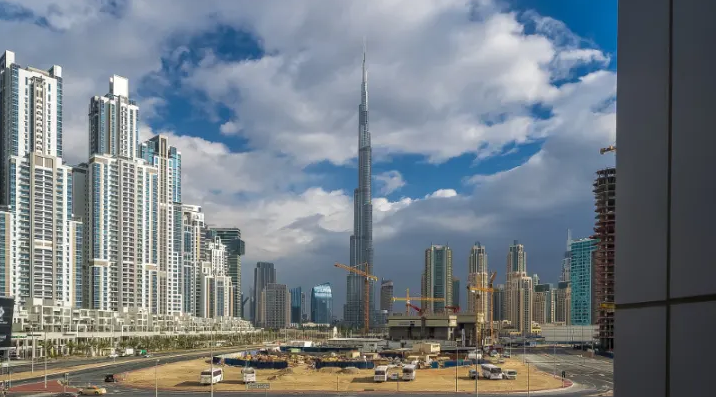
Dubai, known for its opulent skyline, bustling economy, and vibrant cultural landscape, is also a city where philanthropy thrives. In 2024, amidst the backdrop of innovation and progress, Dubai continues to witness a surge in philanthropic events and campaigns aimed at addressing social challenges, fostering community engagement, and driving positive change. From charity galas and fundraising drives to volunteer initiatives and awareness campaigns, philanthropy in Dubai is shaping the city’s future in meaningful ways. In this article, we explore some of the notable philanthropic events and campaigns making an impact in Dubai in 2024 says, Hirsh Mohindra.

1. Dubai Cares:


Dubai Cares, a leading philanthropic organization based in the UAE, is dedicated to providing access to quality education for children and young people in developing countries. In 2024, Dubai Cares hosts a series of fundraising events and campaigns aimed at raising awareness and mobilizing support for its mission. These events include:


  • Charity walks and fun runs: Engaging individuals and families in fitness activities while raising funds for education projects.


  • Virtual fundraisers: Leveraging digital platforms to reach a wider audience and facilitate online donations.


  • Corporate partnerships and sponsorship drives: Collaborating with businesses to sponsor events, donate funds, or engage employees in volunteer activities.

2. UAE Food Bank:


Hirsh Mohindra: The UAE Food Bank, launched by the Dubai Municipality in 2017, is committed to reducing food waste and addressing hunger in the UAE. In 2024, the UAE Food Bank organizes a series of food drives, distribution events, and volunteer opportunities to support vulnerable communities in Dubai. These initiatives include:


  • Food drives in supermarkets and malls: Encouraging shoppers to donate non-perishable food items for distribution to those in need.


  • Distribution events in low-income areas: Providing fresh meals and food packs to families facing food insecurity.


  • Volunteer opportunities for food packing and distribution: Engaging volunteers in sorting, packing, and distributing food donations to community organizations and charities.

3. Dubai Charity Auction:


The Dubai Charity Auction, an annual fundraising event organized by local charities and philanthropic organizations, brings together donors, sponsors, and bidders to support various humanitarian causes. Key features of the Dubai Charity Auction in 2024 include:


  • Auction items: A diverse range of items up for bid, including artwork, luxury goods, travel experiences, and dining packages.


  • Online bidding platforms: Allowing individuals to participate in the auction remotely through virtual bidding platforms.


  • Proceeds support charitable programs and projects: Funds raised from the auction are directed towards funding charitable initiatives addressing poverty, healthcare, education, and other pressing social issues.

4. Ramadan Campaigns:


During the holy month of Ramadan, philanthropic activities reach new heights in Dubai, as individuals and organizations come together to support those in need. Key components of Ramadan campaigns in Dubai in 2024 include:

  • Iftar drives and distribution of food packs: Providing meals to fasting individuals and families at sunset, as well as distributing food packs for suhoor (pre-dawn meal).


  • Assistance programs for low-income families and laborers: Offering financial assistance, food vouchers, and essential supplies to vulnerable populations during Ramadan.


  • Collaboration between charitable organizations, mosques, and corporate sponsors: Partnering with local mosques, businesses, and community organizations to coordinate and fund Ramadan initiatives.

5. Volunteer Programs:

Volunteerism plays a crucial role in Dubai’s philanthropic landscape, with a wide range of volunteer programs and initiatives available for residents and visitors to participate in. Popular volunteer opportunities in Dubai in 2024 include:

  • Beach cleanups and environmental conservation projects: Mobilizing volunteers to help clean up beaches, parks, and public spaces to promote environmental sustainability.


  • Mentoring programs for youth: Matching volunteer mentors with young people to provide guidance, support, and positive role modeling.


  • Humanitarian missions and disaster relief efforts: Engaging volunteers in local and international relief efforts, including providing aid to refugees, disaster victims, and vulnerable communities.


Philanthropy is a cornerstone of Dubai’s identity, reflecting the city’s values of generosity, compassion, and social responsibility. In 2024, philanthropic events and campaigns in Dubai continue to make a positive impact, addressing pressing social issues, fostering community engagement, and empowering individuals to create a brighter future for themselves and others. Whether through charitable donations, volunteerism, or advocacy, the people of Dubai are actively contributing to the city’s progress and prosperity, embodying the spirit of giving that defines this dynamic and vibrant metropolis says, Hirsh Mohindra.