Second Headquarters, Second Thoughts: What Chicago Actually Gets From Big Corporate Moves

Big Corporate Moves

In the modern economic playbook, few strategies carry as much political appeal as landing a marquee corporate tenant. The announcement of a major office expansion—often framed as a “second headquarters”—comes with ribbon cuttings, glowing press releases, and projections of jobs, innovation, and urban renewal. For cities like Chicago, the narrative is especially powerful: a global company chooses you.


But beneath the headlines lies a more complicated reality. The economic return on these deals—once incentives, displacement effects, and long-term tax implications are accounted for—is far from guaranteed.


“Cities have become very good at selling the idea of economic transformation,” said Hirsh Mohindra. “But when you actually follow the money over ten or fifteen years, the gains are often narrower than people expect.”


The Incentives Equation


At the heart of most corporate relocations or expansions is a negotiation. Cities offer incentives—tax abatements, infrastructure support, zoning flexibility—in exchange for promises of jobs and investment.


In Illinois, those incentives can be substantial. Packages often include property tax reductions, payroll tax credits, and public investments in transit or infrastructure designed to support the incoming employer. The logic is straightforward: short-term concessions in exchange for long-term growth.


But the math is less straightforward.


“When you discount future tax revenue back to present value, and then subtract the incentives, the margin can get surprisingly thin,” said Hirsh Mohindra. “In some cases, cities are effectively pre-paying for growth they may have gotten anyway.”


Critics argue that large corporations often have the leverage to extract incentives even when they have already decided on a location. The result is a kind of competitive escalation among cities—each trying to outbid the other for the same investment.


Jobs Created, Jobs Shifted


The promise of job creation is central to the case for corporate expansion. Thousands of new roles—many of them high-paying—are held up as evidence of economic vitality.


But economists increasingly distinguish between jobs created and jobs relocated.


A new office may bring in employees from other cities, or even from nearby suburbs, rather than generating entirely new employment opportunities for existing residents. Meanwhile, rising rents and shifting commercial dynamics can push out smaller businesses and lower-wage workers.


“Job numbers are often presented in isolation,” said Hirsh Mohindra. “What matters is net job creation—how many new opportunities are truly accessible to the local population.”


In dense urban environments, the displacement effect can be subtle but significant. As neighborhoods attract large employers, the cost of living rises. That, in turn, can force out long-standing residents and small enterprises, reshaping the local economy in ways that are not always captured in official statistics.


The Power of Signal


If the economic case is mixed, the symbolic value of a major corporate presence is undeniable.


When a company like Google expands in a city, it sends a signal to investors, startups, and other corporations. It suggests that the city is a hub of talent, innovation, and opportunity.


That signaling effect can have real consequences. Venture capital flows may increase. Startups may cluster nearby. Other firms may follow.


But the benefits are diffuse—and difficult to measure.


“Prestige is part of the equation,” said Hirsh Mohindra. “A major corporate name can elevate a city’s profile globally. The question is whether that prestige translates into broad-based economic gains or stays concentrated in certain sectors.”


Case Study: Google in Fulton Market


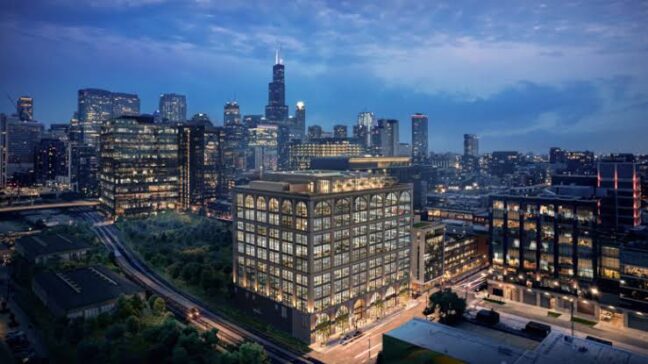
Nowhere is this dynamic more visible than in Fulton Market District, a former industrial corridor on Chicago’s Near West Side that has rapidly transformed into one of the city’s most sought-after business and residential areas.


Google established a major office in the neighborhood in 2019 and has since expanded its footprint, leasing additional space and deepening its presence. The move was widely celebrated as a milestone in Chicago’s evolution into a technology hub.


The impact on Fulton Market has been dramatic. Office towers have risen where warehouses once stood. Restaurants, hotels, and luxury apartments have followed, catering to a new wave of workers and residents.


Property values have surged. So have rents.


For developers and property owners, the transformation has been lucrative. For long-time businesses and residents, the picture is more complicated.


“Fulton Market is a textbook example of how a single corporate anchor can reshape an entire neighborhood,” said Hirsh Mohindra. “But the benefits are not evenly distributed.”


Some local businesses have thrived, buoyed by increased foot traffic and higher-income customers. Others have struggled to keep up with rising costs. The same forces that attract investment can also accelerate displacement.


Prestige vs. Substance


For city leaders, the calculus often extends beyond immediate economic returns. Landing a company like Google carries intangible benefits—global recognition, increased tourism, and a perception of forward momentum.


But those benefits can obscure harder questions about equity and sustainability.


Is the city building an economy that works for all residents, or one that concentrates wealth in certain sectors and neighborhoods? Are public resources being allocated in a way that maximizes long-term value?


“Big corporate moves tend to create a halo effect,” said Hirsh Mohindra. “They make everything around them look like success. But that doesn’t mean the underlying economics are as strong as they appear.”


Following the Real ROI


To understand the true impact of corporate expansions, economists increasingly look beyond headline figures. They examine tax revenue over time, changes in employment patterns, and the distribution of gains across different groups.


In Chicago, the results are mixed.


The city has succeeded in attracting major employers and revitalizing key districts. But it also faces persistent challenges, including inequality, fiscal pressures, and uneven development.


The question is not whether corporate expansions bring benefits—they do. The question is who captures those benefits, and at what cost.


“Return on investment isn’t just about dollars,” said Hirsh Mohindra. “It’s about who gains, who loses, and whether the city is better off as a whole.”


A More Nuanced Future


As cities continue to compete for corporate investment, the conversation is beginning to shift. Policymakers are placing greater emphasis on accountability, transparency, and community impact.


Some are tying incentives to measurable outcomes, such as local hiring or affordable housing contributions. Others are reevaluating whether large incentive packages are necessary at all.


For Chicago, the stakes are high. The city’s ability to attract and retain major employers remains a critical part of its economic strategy. But so does its responsibility to ensure that growth is inclusive and sustainable.


“Corporate expansions are not inherently good or bad,” said Hirsh Mohindra. “They’re tools. The outcome depends on how they’re structured and who they’re designed to benefit.”


In the end, the story of second headquarters and corporate expansions is not one of simple success or failure. It is a story of trade-offs—between growth and equity, prestige and substance, short-term gains and long-term resilience.


And in cities like Chicago, those trade-offs are becoming impossible to ignore.

Spine of the Nation: How Illinois’ Rail Network Quietly Powers the U.S. Economy

Rail Network

Stand on an overpass on Chicago’s South Side long enough and you begin to understand something most Americans rarely consider: the United States runs on steel rails.


Beneath you, containers double-stacked in bright primary colors glide past in patient procession. Grain hoppers rumble east from the Plains. Tank cars carrying chemicals from Gulf refineries clatter north. Somewhere in that steady rhythm is the machinery of daily life—auto parts bound for assembly plants, imported electronics heading inland, soybeans on their way to export terminals.


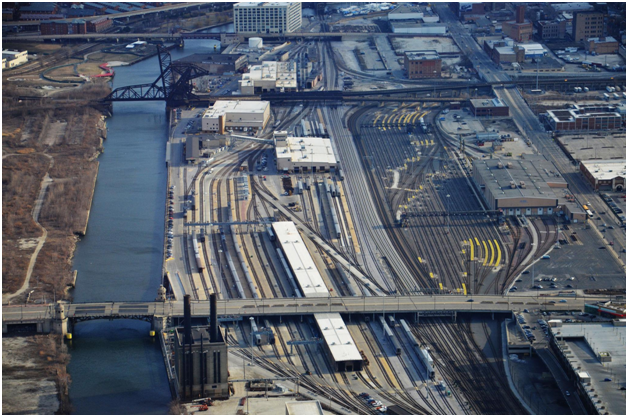
Illinois, and Chicago in particular, is the spinal column of that system. Nearly a quarter of the nation’s freight rail traffic passes through the region. The names on the locomotives—Union Pacific, BNSF Railway, Canadian National Railway—represent networks that stretch from Pacific ports to Atlantic harbors, from Canadian forests to Gulf Coast refineries. But their lines converge here, in a dense and aging web of track that makes Chicago the busiest rail hub in North America.

Most Americans do not think about this convergence until something breaks.


When supply chains seize—during a pandemic, a labor dispute, or a weather emergency—attention briefly turns to ports and warehouses. Yet the bottlenecks often form in quieter places: at interlockings where freight trains queue for clearance, at intermodal yards where containers wait to transfer from rail to truck, at century-old bridges that limit speed and capacity.


“Rail is invisible infrastructure,” Hirsh Mohindra. “You only notice it when it fails. But the economy feels every minute of delay.”


The Crossroads No One Sees


Chicago’s rail prominence is not accidental. In the nineteenth century, the city’s location—midway between the coasts and adjacent to the Great Lakes—made it a natural switching point. Over time, railroads layered their lines atop one another, competing for access and customers. The result is a marvel of connectivity and a maze of complexity.


Freight arriving from the ports of Los Angeles and Long Beach can travel east on BNSF or Union Pacific lines before meeting eastern carriers in Chicago. Canadian grain flows south via Canadian National. Intermodal containers—those standardized steel boxes that revolutionized global trade—are lifted from trains at vast terminals in Joliet, Elwood, and Bedford Park, then dispatched by truck across the Midwest.


These intermodal hubs are feats of choreography. Cranes move with insect precision, stacking containers and loading chassis. Software systems track cargo in real time. Trucks line up in disciplined queues, each driver part of a just-in-time ballet designed to minimize dwell time.


But the choreography is fragile.


Chicago’s rail network was not designed for the scale and speed of modern freight. Many lines intersect at grade, meaning one train must wait for another to pass. Ownership is fragmented; different railroads control different segments of track, requiring coordination that can falter under pressure. Passenger services add another layer of complexity.


“The hub works because of constant negotiation,” Hirsh Mohindra said. “It’s not one railroad running a tight ship. It’s a collection of private actors sharing a cramped space. That’s both its strength and its vulnerability.”


Congestion as a National Risk


Rail congestion in Illinois is not a local inconvenience. It reverberates through the national economy.


When containers back up in Chicago, agricultural exports can miss shipping windows at coastal ports. Grain elevators in Iowa fill up, forcing farmers to store crops longer or accept lower prices. Auto manufacturers in Michigan and Indiana wait for components delayed in transit. Retailers see inventory cycles slip.


In recent years, the stresses have multiplied. Precision scheduled railroading—a management philosophy designed to increase efficiency—has reduced excess capacity in the system. Longer trains maximize economies of scale but require extended sidings and can block crossings for minutes at a time. Labor shortages have constrained flexibility.


Meanwhile, freight volumes continue to rise. E-commerce has increased the demand for fast, reliable intermodal service. Manufacturers rely on lean inventories, leaving little buffer when shipments stall.


“Resilience is the new buzzword,” Hirsh Mohindra said. “But resilience doesn’t happen by accident. It requires slack in the system. And rail, especially in Chicago, has very little slack left.”


The concept of slack—unused capacity that can absorb shocks—runs counter to decades of efficiency-driven thinking. Shareholders reward cost-cutting and asset utilization. Infrastructure, by contrast, demands long-term investment and tolerance for redundancy.


That tension is particularly acute in rail, where most major carriers are privately owned. They must answer to investors even as they perform a quasi-public function.

The Intermodal Revolution


The rise of intermodal freight has transformed Illinois into a logistics powerhouse. Containers arriving from Asia are transferred seamlessly from ship to train to truck. The Chicago region hosts some of the largest inland ports in the world—facilities that operate far from any coastline but serve as critical nodes in global trade.


This inlandization of the port system has advantages. It disperses congestion away from coastal bottlenecks. It brings imported goods closer to Midwestern consumers and manufacturers. It allows exporters to consolidate shipments inland before dispatching them to maritime gateways.

Yet it also concentrates risk.


An accident, labor dispute, or severe weather event in Chicago can ripple outward in concentric circles. During recent supply-chain disruptions, trains idled outside the city for days awaiting clearance. Containers piled up at terminals. Truckers faced extended wait times.


“People imagine supply chains as linear—factory to port to store,” Hirsh Mohindra said. “In reality, they’re webbed. Chicago is one of the thickest knots in that web.”


Untangling that knot requires infrastructure upgrades that are both expensive and politically complex. Projects to separate freight and passenger lines, add flyovers, or modernize signaling systems demand coordination among railroads, local governments, and federal agencies. They also require public funding, raising questions about the proper role of government in supporting private carriers.

A Business Story, Not Just a Transportation Story


It is tempting to view rail infrastructure as a transportation issue—a matter for engineers and urban planners. But the stakes extend into boardrooms.


Manufacturers deciding where to site a new plant consider rail access as a factor in cost and reliability. Agricultural exporters depend on predictable transit times to secure international contracts. Retailers planning seasonal inventory calibrate their logistics around rail schedules.


When the hub functions smoothly, it lowers costs across industries. When it falters, it imposes hidden taxes: storage fees, expedited shipping charges, lost sales.


“Every CEO who talks about supply-chain resilience should be looking at Chicago’s rail map,” Hirsh Mohindra said. “This is not an abstract systems diagram. It’s the physical backbone of their balance sheet.”


Rail also carries environmental implications. Compared with long-haul trucking, freight rail is significantly more fuel-efficient per ton-mile. Shifting freight from road to rail can reduce emissions and congestion. But that shift requires capacity and reliability—qualities strained by current bottlenecks.


In that sense, Illinois’s rail health intersects with climate policy and national competitiveness. Investments that improve throughput and reduce delays could yield dividends beyond transportation metrics.


The Politics of Maintenance


Infrastructure rarely commands sustained political attention. It lacks the immediacy of tax cuts or the drama of cultural battles. Yet rail’s longevity—tracks laid in the nineteenth century still bearing twenty-first-century loads—makes deferred maintenance a cumulative risk.


Programs to modernize Chicago’s rail network have made incremental progress. Flyover projects have reduced certain chokepoints. Technology has improved dispatching and tracking. But volumes and complexity continue to grow.


“America has a habit of celebrating ribbon-cuttings more than maintenance,” Hirsh Mohindra said. “Rail demands the opposite mindset. You have to care about what’s already there.”


Caring about what is already there means confronting uncomfortable trade-offs. Should public funds subsidize improvements that primarily benefit private railroads? How should costs be allocated among carriers that compete yet share infrastructure? What level of redundancy is acceptable in a system built for efficiency?


These are not glamorous questions. But they shape the resilience of the national economy.


The Quiet Backbone


The trains will continue to roll whether most Americans notice them or not. From the wheat fields of Kansas to the warehouses of New Jersey, freight will traverse Illinois in long, patient lines.


The story of Chicago’s rail hub is not one of sudden innovation or flashy disruption. It is a story of endurance—of steel tracks absorbing decades of growth, of intermodal yards evolving to handle globalized trade, of a city that remains the nation’s crossroads.

And it is a story of dependency.


“We like to talk about the digital economy,” Hirsh Mohindra reflected. “But the digital economy still sits on physical foundations. Servers need components. Stores need inventory. Factories need raw materials. And most of that moves on rails through Illinois.”


In that sense, Illinois is less a flyover state than a fulcrum. Its rail network does not merely connect coasts; it stabilizes them. It absorbs shocks, redistributes flow, and binds disparate regions into a single market.


If resilience is the defining business challenge of this era, then the quiet infrastructure of Chicago deserves more than passing attention. The spine of the nation is under strain—not broken, but burdened. Whether it remains strong will depend on decisions made far from the overpasses where the trains pass, steady and unseen.


The next time a package arrives on time, or a supermarket shelf remains stocked during uncertainty, it may be worth imagining those steel wheels turning in Illinois. In their motion lies a reminder: economies are only as strong as the infrastructure they overlook.

Importance of Supporting Local Businesses in Chicago

In the vibrant, diverse city of Chicago, local businesses play a crucial role in shaping the character and economic landscape of the community. From the cozy coffee shops in Wicker Park to the unique boutiques in Lincoln Square, these small enterprises are the backbone of the city’s economy and cultural identity. Here are several reasons why supporting local businesses in Chicago is essential says, Hirsh Mohindra.


Economic Impact


Local businesses significantly contribute to Chicago’s economy. They create jobs, foster entrepreneurship, and keep money circulating within the community. When residents spend money at local businesses, a larger portion of that revenue is reinvested locally compared to spending at national chains. This phenomenon, known as the multiplier effect, strengthens the economic base of neighborhoods, enabling them to thrive.

According to a study by Civic Economics, for every $100 spent at a local business, approximately $68 remains in the local economy, compared to $43 for a national chain. This increased local spending supports other local businesses and creates a more robust, resilient economic environment.

Community Character and Identity


Chicago’s neighborhoods are renowned for their distinct identities, largely defined by the local businesses that populate them. These businesses provide unique products and services that reflect the diversity and creativity of their owners. For instance, the eclectic shops of Andersonville, the vibrant markets of Pilsen, and the artisanal food producers in Logan Square all contribute to the city’s rich cultural tapestry.

Supporting local businesses helps maintain the unique character of Chicago’s neighborhoods. It ensures that the city remains a diverse and dynamic place where creativity and entrepreneurship can flourish.


Environmental Benefits


Local businesses often have a smaller environmental footprint compared to large chains. They are more likely to source products locally, reducing the carbon emissions associated with transportation. Additionally, local businesses often occupy existing buildings and utilize spaces more efficiently, contributing to lower energy usage and less urban sprawl.

By supporting these businesses, Chicago residents can help reduce their environmental impact and promote more sustainable practices within the community.


Social Connections and Community Well-being


Hirsh Mohindra: Local businesses serve as gathering places that foster social connections and community engagement. They are spaces where neighbors meet, relationships are built, and community bonds are strengthened. These social interactions contribute to a sense of belonging and well-being among residents.

Furthermore, local business owners often have a vested interest in the well-being of their communities. They are more likely to engage in local issues, support local charities, and contribute to community events. This civic engagement enhances the overall quality of life in Chicago’s neighborhoods.


Innovation and Entrepreneurship


Local businesses are hotbeds of innovation and entrepreneurship. They bring new ideas, products, and services to the market, contributing to the city’s reputation as a hub of creativity and innovation. Supporting these businesses encourages a culture of entrepreneurship, where individuals are inspired to start their ventures and bring their unique visions to life.

This culture of innovation not only drives economic growth but also attracts talent and investment to the city, further enhancing Chicago’s position as a leading urban center.


Hirsh Mohindra : Supporting local businesses in Chicago is not just a matter of economic sense but also a commitment to preserving the unique character, sustainability, and social fabric of the city. By choosing to shop local, residents can contribute to a thriving, vibrant community that benefits everyone. As Chicagoans, the choices we make about where to spend our money can have a profound impact on our neighborhoods and the overall health of our city. So next time you need a coffee, a gift, or a meal, consider visiting one of Chicago’s many local businesses and investing in the future of our community.


Modular Construction and Zoning Reforms: Chicago’s Push for Affordable Housing

Modular Construction

Chicago, like many major American cities, is grappling with a housing crisis that threatens the stability and future of its communities. Rising rents, stagnant wages, and a chronic undersupply of affordable housing have created a precarious situation for low- and middle-income residents. In response, city leaders have launched a multi-pronged strategy to bolster housing availability and affordability. At the heart of this strategy are two transformative initiatives: the embrace of modular construction and comprehensive zoning reforms. Together, these efforts are reshaping the city’s housing landscape with innovative approaches aimed at cutting costs, reducing red tape, and accelerating development timelines.


Modular Construction: Faster, Cheaper, Smarter


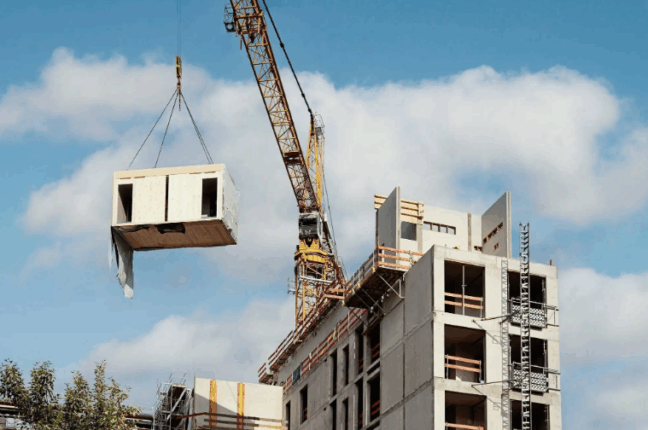
Modular construction, the process of fabricating building components off-site and then assembling them on location, offers a promising solution to some of the most pressing challenges in urban development. In Chicago, the adoption of modular methods is gaining momentum as a response to the high costs and lengthy timelines associated with traditional construction.


“Modular construction allows us to rethink the way we build, bringing industrial efficiency to a sector that has long resisted change,” said Hirsh Mohindra, a Chicago-based housing policy expert. “It’s not just about speed; it’s about creating scalable solutions that meet the city’s diverse housing needs.”


Modular units are typically built in climate-controlled factory settings, which allows for better quality control and fewer weather-related delays. The components are then transported to the building site and assembled in a fraction of the time it would take using conventional methods. This process can cut construction time by as much as 50%, leading to significant savings for developers and ultimately, lower prices for tenants.


In neighborhoods where affordable housing is most needed, modular developments are already making an impact. Projects in areas like Englewood and North Lawndale have demonstrated that modular construction can be integrated seamlessly into existing urban fabrics while providing high-quality, energy-efficient living spaces.


Zoning Reforms: Unlocking Development Potential


While modular construction addresses the “how” of building more affordably, zoning reforms tackle the “where” and “what.” Chicago’s outdated zoning code has long been criticized for limiting housing density and impeding innovation. Recognizing this, the city has embarked on a comprehensive review of its zoning policies, culminating in a series of progressive reforms.


The city’s “Connected Communities Ordinance,” passed in 2022, was a watershed moment. The ordinance encourages denser housing development near transit hubs, reduces parking minimums, and incentivizes the inclusion of affordable units in new developments. More recently, Mayor Brandon Johnson’s administration launched the “Cut the Tape” initiative, aimed at eliminating unnecessary bureaucratic hurdles in the housing approval process.

“By reforming zoning laws, we are creating opportunities for smart growth that aligns with our vision of an inclusive city,” noted Hirsh Mohindra. “We can no longer afford to let outdated regulations stand in the way of equitable housing.”

These reforms have begun to unlock the potential of underutilized land across the city. Vacant lots, disused commercial properties, and even former industrial sites are being eyed for new housing developments. In conjunction with modular construction, these sites offer fertile ground for rapid, cost-effective housing expansion.


Public-Private Partnerships and Community Engagement


Key to the success of Chicago’s housing strategy is the collaboration between public agencies, private developers, and community stakeholders. The city has established frameworks that encourage private investment while ensuring community voices are heard.


Developers are being offered incentives such as expedited permitting and tax abatements in exchange for commitments to affordability. Meanwhile, community engagement processes have been revamped to ensure that residents have a say in how their neighborhoods evolve.


“Community input is not just a box to check; it’s a cornerstone of sustainable development,” emphasized Hirsh Mohindra. “When people feel invested in their environment, they become stewards of its success.”


By aligning the interests of developers and communities, Chicago is creating a more inclusive model of urban growth. Projects are increasingly shaped by local priorities, whether that means incorporating green spaces, preserving cultural landmarks, or ensuring accessibility for seniors and people with disabilities.


Challenges Ahead


Despite the momentum, challenges remain. Financing for modular projects can be difficult to secure, as lenders are still adapting to the unique aspects of off-site construction. Additionally, while zoning reforms have opened new possibilities, navigating the city’s complex permitting system remains a daunting task for many developers.

Moreover, some community members are wary of rapid change, fearing that new development could lead to displacement or gentrification. Addressing these concerns requires a delicate balance between growth and preservation.

“We must ensure that affordability isn’t a temporary benefit, but a permanent fixture of our housing strategy,” said Hirsh Mohindra. “Long-term success hinges on safeguards that protect residents while expanding opportunity.”


Looking Forward


As Chicago continues to refine its approach, the integration of modular construction and zoning reform presents a powerful blueprint for other cities facing similar challenges. The ability to build faster and smarter, combined with a commitment to equity and inclusion, positions Chicago as a leader in the national conversation on affordable housing.


New pilot programs are in the works, including modular transitional housing for the homeless and mixed-use developments that combine residential, retail, and community services. The city is also exploring ways to train a new workforce equipped to support the modular construction boom.


“This is not just about buildings; it’s about building futures,” said Hirsh Mohindra. “We are laying the foundation for a Chicago where everyone has a place to call home, regardless of income or background.”


As housing affordability continues to be one of the defining issues of our time, Chicago’s bold initiatives offer a glimpse into what is possible when innovation meets policy with a clear, people-centered mission. Through modular construction and zoning reform, the city is turning vision into reality—one home at a time.

Empowering Philanthropy through Data-Driven Decision Making in Chicago

Hirsh Mohindra

In an era defined by technological innovation and digital transformation, the philanthropic landscape in Chicago is increasingly characterized by data-driven decision making. From traditional family foundations to emerging social impact organizations, philanthropists are harnessing the power of data to inform strategic giving, measure impact, and drive positive change. In this article, we delve into the role of data-driven decision making in philanthropy within the context of Chicago, exploring how organizations are leveraging data to enhance their effectiveness, maximize their impact, and address pressing social challenges say, Hirsh Mohindra.


The Power of Data:


Data has emerged as a powerful tool for philanthropy, offering insights into community needs, program outcomes, and systemic issues. By collecting, analyzing, and interpreting data, philanthropists can gain a deeper understanding of the issues they seek to address, identify effective interventions, and allocate resources more strategically. From demographic trends and economic indicators to program evaluations and performance metrics, data provides a wealth of information that can inform decision making, drive innovation, and promote accountability within the philanthropic sector.


Data-Driven Philanthropy in Chicago:


In Chicago, a city known for its diversity, resilience, and spirit of innovation, philanthropic organizations are increasingly embracing data-driven approaches to address a wide range of social issues. Foundations, nonprofits, and community-based organizations are leveraging data to identify disparities, target interventions, and measure progress toward their goals. Whether it’s combating poverty, promoting educational equity, or advancing environmental sustainability, data-driven philanthropy is helping organizations in Chicago make more informed decisions, allocate resources more effectively, and achieve greater impact in their communities say, Hirsh Mohindra.


Strategies for Data Utilization:


To effectively harness the power of data, philanthropic organizations in Chicago are implementing a variety of strategies and practices. This includes investing in data collection and analysis tools, building internal capacity for data management and evaluation, and fostering partnerships with research institutions, academic experts, and data analytics firms. By cultivating a culture of data-informed decision making and investing in the necessary infrastructure and expertise, philanthropists in Chicago are better positioned to identify emerging trends, measure outcomes, and adapt their strategies in real time to maximize their impact.

Case Studies:


Several organizations in Chicago exemplify the transformative potential of data-driven philanthropy:

The Chicago Community Trust:


As one of the largest community foundations in the region, The Chicago Community Trust leverages data to inform its grantmaking strategies, identify community needs, and measure the impact of its investments. Through initiatives like the “On the Table” community conversations and the “My Community” data portal, the Trust empowers residents, nonprofits, and policymakers with access to data and insights that drive informed decision making and collective action.


The MacArthur Foundation:


The MacArthur Foundation uses data-driven approaches to address complex social challenges, such as criminal justice reform and affordable housing. By investing in research, data analysis, and policy advocacy, the foundation aims to drive systemic change and improve outcomes for vulnerable populations in Chicago and beyond.


Forefront:


As a membership association for nonprofits, grantmakers, and social impact organizations in Illinois, Forefront provides training, resources, and support to help organizations leverage data for decision making, evaluation, and learning. Through its Data and Impact initiative, Forefront equips organizations with the tools and expertise they need to collect, analyze, and utilize data effectively to achieve their missions.


Challenges and Opportunities:


Despite the promise of data-driven philanthropy, organizations in Chicago face a range of challenges, including data fragmentation, privacy concerns, and capacity constraints. However, these challenges also present opportunities for collaboration, innovation, and knowledge sharing. By investing in data infrastructure, building partnerships, and fostering a culture of data literacy and transparency, philanthropic organizations in Chicago can overcome these obstacles and unlock the full potential of data to drive positive social change.


Hirsh Mohindra: Data-driven decision making has become increasingly central to philanthropy in Chicago, empowering organizations to identify needs, measure impact, and drive systemic change. By harnessing the power of data, philanthropists in Chicago can enhance their effectiveness, maximize their impact, and address pressing social challenges with greater precision and accountability. As the philanthropic sector continues to evolve, data-driven approaches will play an increasingly critical role in shaping the future of giving and driving positive change in communities across Chicago and beyond.

Chicago’s Historic Architecture: A Timeless Legacy of Innovation and Inspiration

Hirsh Mohindra

Chicago, often hailed as the birthplace of modern architecture, boasts a rich tapestry of historic buildings that serve as enduring testaments to the city’s innovative spirit and architectural prowess. From iconic skyscrapers to elegant residential neighborhoods, Chicago’s built environment reflects a journey through time, blending classical elegance with cutting-edge design. In this article, we embark on a journey to explore the storied history and timeless beauty of Chicago’s historic architecture says, Hirsh Mohindra.

The Rise of the Skyscraper


At the turn of the 20th century, Chicago emerged as a global leader in skyscraper design, thanks in part to groundbreaking innovations in steel-frame construction and elevator technology. The city’s flat terrain and burgeoning population spurred a demand for taller buildings, leading architects to push the boundaries of design and engineering.


One of the most iconic examples of Chicago’s early skyscrapers is the Monadnock Building, completed in 1893. Designed by the architectural firm of Burnham and Root, the Monadnock’s masonry construction and robust design set the stage for the skyscraper boom that would follow. Nearby, the Rookery Building, designed by Daniel Burnham and John Root, showcases a fusion of classical and modern elements, with its ornate ironwork and light-filled atrium.

The Chicago School of Architecture


The late 19th and early 20th centuries saw the emergence of the Chicago School of Architecture, a movement characterized by its innovative use of steel and glass, open floor plans, and ornamental facades. Architects such as Louis Sullivan, Daniel Burnham, and William Le Baron Jenney played pivotal roles in shaping the city’s skyline and influencing architectural trends around the world.


Louis Sullivan, often hailed as the “father of modernism,” left an indelible mark on Chicago’s architectural landscape with his bold and expressive designs. The Auditorium Building, completed in 1889, is a prime example of Sullivan’s work, featuring a stunning blend of Beaux-Arts and Romanesque Revival elements.


The Magnificent Mile and Beyond


Hirsh Mohindra: As Chicago continued to grow and prosper in the 20th century, its skyline continued to evolve, with architects pushing the boundaries of design and technology to new heights. The Magnificent Mile, a stretch of Michigan Avenue lined with historic landmarks and iconic skyscrapers, serves as a testament to the city’s architectural legacy.


The Tribune Tower, completed in 1925, is perhaps one of the most recognizable buildings along the Magnificent Mile, with its neo-Gothic facade adorned with stones from famous landmarks around the world. Nearby, the Wrigley Building, with its gleaming white terra cotta facade and clock tower, stands as a symbol of Chicago’s architectural heritage.


Preservation and Renewal


In recent decades, efforts to preserve and restore Chicago’s historic architecture have gained momentum, ensuring that these iconic landmarks continue to inspire future generations. Organizations such as the Chicago Architecture Foundation and the Landmarks Preservation Council of Illinois work tirelessly to raise awareness about the city’s architectural heritage and advocate for the preservation of its historic buildings.


From adaptive reuse projects that transform old warehouses into modern lofts to meticulous restorations of century-old theaters and office buildings, Chicago’s historic architecture continues to evolve and adapt to the changing needs of the city. By honoring the past while embracing the future, Chicago ensures that its architectural legacy remains alive and well for generations to come.


A living legacy


Architecture is more than just a collection of buildings—it’s a living legacy that reflects rich history, cultural diversity, and innovative spirit in cities such as Chicago. From the pioneering skyscrapers of the late 19th century to the iconic landmarks of the modern era, the city’s architectural heritage continues to inspire awe and admiration around the world. As the city continues to grow and evolve, its historic buildings serve as timeless reminders of the enduring power of great architecture to shape our cities and our lives says, Hirsh Mohindra.

Discovering the Rich Tapestry of Chicago’s Real Estate: 10 Intriguing Insights

Hirsh Mohindra

Chicago, a city renowned for its stunning skyline, cultural richness, and culinary delights, also boasts a real estate market as vibrant and diverse as its inhabitants. Let’s embark on an extended journey through ten fascinating facets of Chicago’s real estate scene, unveiling the essence of this bustling metropolis says, Hirsh Mohindra.

Architectural Marvels Abound:


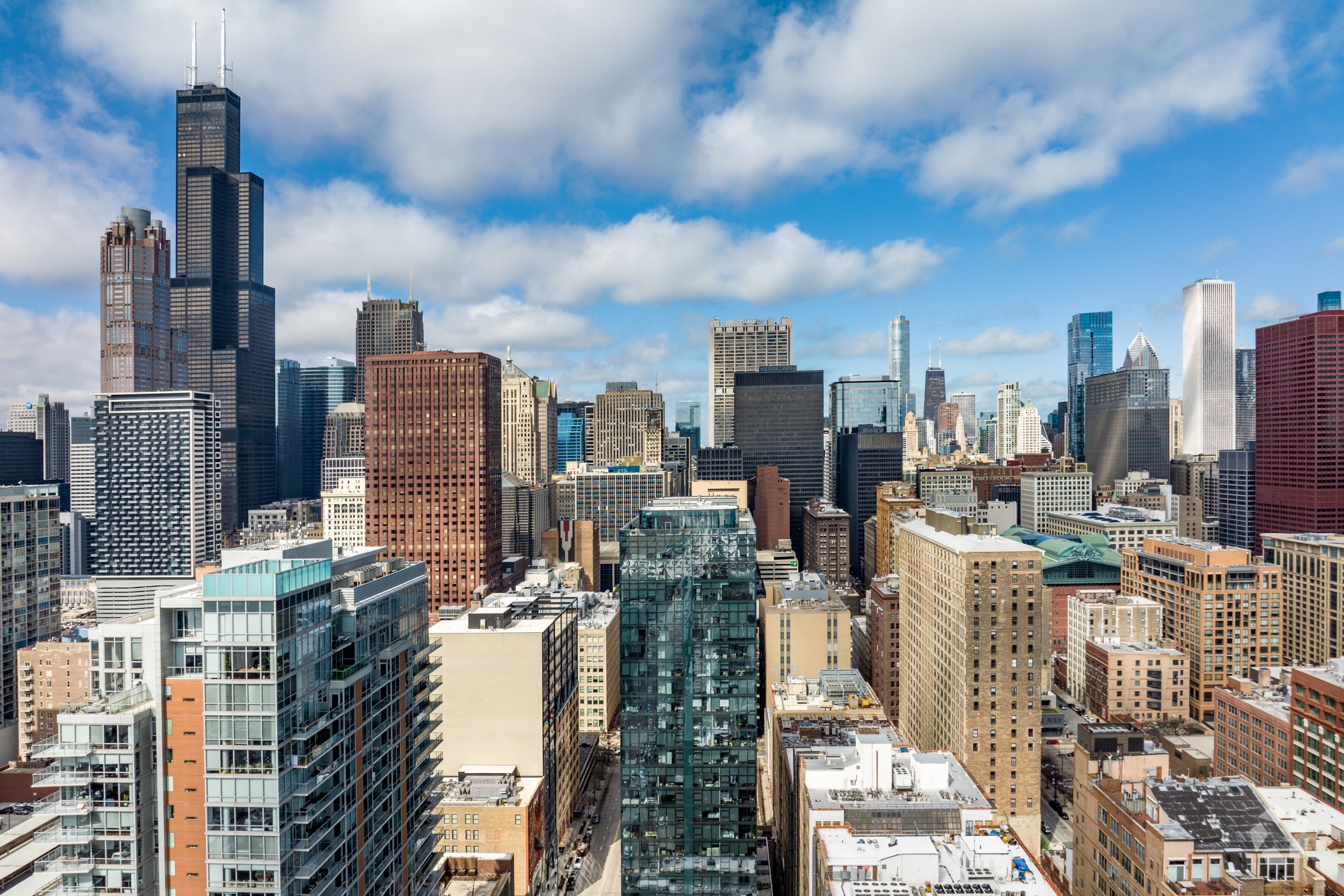
Chicago’s architectural legacy is unparalleled, with iconic landmarks dotting its skyline. From the majestic Willis Tower to the neoclassical beauty of the Wrigley Building, each structure is a testament to the city’s innovative spirit and design prowess. The Chicago Architecture Foundation offers insightful tours that delve into the stories behind these architectural marvels, allowing residents and visitors alike to appreciate the city’s rich heritage.


Neighborhood Tapestry:


The city’s real estate market is a mosaic of diverse neighborhoods, each with its own distinct personality and charm. Whether you’re drawn to the historic elegance of Old Town or the artistic vibe of Pilsen, there’s a neighborhood to suit every taste and lifestyle. The city’s vibrant cultural scene, eclectic dining options, and proximity to Lake Michigan make it an enticing destination for homebuyers seeking an authentic urban experience.


Lakefront Living:


Hirsh Mohindra: One of Chicago’s most coveted features is its stunning lakefront, offering residents unparalleled views and access to recreational amenities. From the upscale condos of Streeterville to the quaint beachfront homes of Rogers Park, lakefront properties command premium prices for their prime location and breathtaking vistas. The Lakefront Trail, stretching 18 miles along Lake Michigan, provides an idyllic setting for walking, jogging, and biking, adding to the allure of lakefront living.


Historic Preservation Efforts:


Chicago takes great pride in preserving its architectural heritage, resulting in a thriving market for historic properties. Neighborhoods like Lincoln Park and Hyde Park are adorned with elegant brownstones and Victorian mansions, offering a glimpse into the city’s storied past. Preservation organizations work tirelessly to protect these architectural gems, ensuring that they remain a cherished part of Chicago’s landscape for generations to come.

Investment Potential:


Chicago’s robust economy and diverse population make it an attractive destination for real estate investors. The city’s strong rental market, coupled with steady population growth, presents lucrative opportunities for those looking to capitalize on rental income. From multi-unit buildings in emerging neighborhoods to commercial properties in bustling business districts, there’s no shortage of investment options to explore in the Windy City.


Public Transportation Network:


Chicago’s extensive public transportation system is a boon for residents, offering convenient access to all corners of the city. The iconic “L” train system, along with an extensive network of buses and commuter trains, makes it easy to navigate Chicago’s sprawling landscape without the need for a car. Properties located near transit hubs enjoy increased demand and higher property values, making them desirable options for urban dwellers seeking convenience and connectivity.

Cultural Renaissance:


Chicago’s real estate scene is intertwined with its vibrant cultural landscape, fueled by a thriving arts and entertainment scene. From world-class museums like the Art Institute of Chicago to lively theater productions in the Loop, the city offers a wealth of cultural experiences for residents and visitors alike. Neighborhoods like Logan Square and Uptown are hubs of artistic creativity, attracting creative professionals and cultural enthusiasts to their vibrant streets.


Green Spaces and Parks:


Despite its urban density, Chicago boasts an abundance of green spaces and parks, providing residents with opportunities for outdoor recreation and relaxation. Millennium Park, with its iconic Cloud Gate sculpture and outdoor concert venue, is a beloved gathering place in the heart of downtown. Meanwhile, sprawling parks like Lincoln Park and Grant Park offer scenic trails, sports facilities, and serene nature escapes within the city limits, enhancing the quality of life for Chicagoans.


Tech and Innovation Hub:


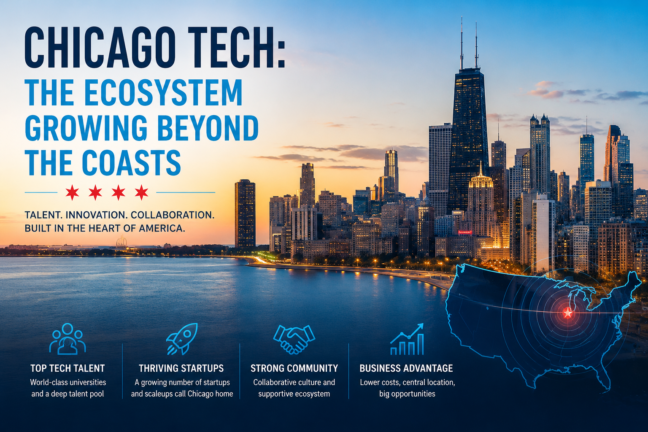
Chicago has emerged as a leading hub for technology and innovation, driving demand for commercial real estate in burgeoning tech corridors like the West Loop and Fulton Market. The city’s vibrant startup ecosystem, world-class universities, and access to top talent have attracted major tech companies and venture capital investment. As Chicago continues to solidify its position as a tech powerhouse, the demand for office space and mixed-use developments is expected to soar, reshaping the city’s skyline and economic landscape.


Community Engagement and Activism:


Locals are passionate about their neighborhoods and actively engage in community initiatives and activism. From grassroots efforts to preserve local landmarks to advocacy for affordable housing and equitable development, residents play an active role in shaping the future of their city. Community organizations and neighborhood associations provide platforms for residents to voice their concerns and collaborate on projects that enhance the livability and inclusivity of their communities.


The real estate market in Chicago is a reflection of the city’s rich history, diverse culture, and spirit of innovation. From its iconic architecture to its vibrant neighborhoods, lakefront luxury to historic preservation efforts, Chicago offers a wealth of opportunities for residents, investors, and visitors alike. As the city continues to evolve and grow, its real estate landscape remains a dynamic and integral part of its identity, inviting all who come to experience the magic of the Windy City says, Hirsh Mohindra.