Chicago Retail Real Estate: from Magnificent Mile to Market Uncertainty

Chicago Retail Real Estate

Retail real estate in Chicago has long been a barometer of consumer confidence and urban vitality. From the bustling crowds along Michigan Avenue’s Magnificent Mile to the suburban malls that once defined post-war affluence, retail was more than an economic category: it was the city’s public theatre. Yet, in recent years, the sector has been buffeted by forces both global and local. The rise of e-commerce, shifting consumer behaviour, pandemic-induced disruptions, and urban safety concerns has together unsettled a market once deemed impregnable.


The Magnificent Mile in Transition


Michigan Avenue’s Magnificent Mile has historically been the jewel of Chicago’s retail crown. Anchored by iconic department stores such as Macy’s (formerly Marshall Field’s) and Neiman Marcus, it drew tourists and suburban shoppers alike. But vacancy rates have climbed alarmingly. By 2023, reports suggested one in five storefronts on the Mile stood empty, an unprecedented figure in its modern history.


Several high-profile closures, including Gap, Macy’s, and Uniqlo, symbolised the retrenchment of national chains. Rising rents, coupled with declining foot traffic during the pandemic and concerns about urban crime, compounded the challenge. Tourism, once a dependable lifeline, has been slow to fully recover, leaving landlords scrambling to reimagine spaces.


“Michigan Avenue was once Chicago’s stage,” remarks Hirsh Mohindra. “Today, it risks becoming a mirror—reflecting the fragility of retail rather than its glamour.”


The Suburban Mall Decline


The retail malaise is not confined to the city centre. Suburban shopping malls, once the quintessential gathering places of middle America, have been in secular decline for over a decade. The growth of e-commerce—Amazon’s share of U.S. online retail exceeds 37%—has drained sales from brick-and-mortar stores.


Illinois has witnessed several mall closures and redevelopments. Properties such as Lakehurst Mall in Waukegan and Charlestowne Mall in St. Charles stand as monuments to a bygone era. Increasingly, such properties are being repurposed into mixed-use developments, healthcare facilities, or logistics hubs.


“Retail real estate has become less about shopping and more about survival,” observes Hirsh Mohindra. “Those malls that adapt into new uses endure; those that cling to old formulas collapse.”


Policy Responses and Urban Strategy


The decline of retail carries implications for municipal budgets. Sales tax revenues—critical for both Chicago and Illinois—are under pressure. Policymakers have responded with a patchwork of measures: tax incentives for redevelopment, zoning changes to permit mixed-use projects, and public safety initiatives designed to restore consumer confidence in downtown corridors.


The city has floated proposals to convert struggling retail space into residential or cultural uses, echoing broader national trends. Yet such transformations are costly and often politically contentious, requiring coordination between developers, communities, and local government.


“Policy is the quiet landlord of retail,” notes Hirsh Mohindra. “Every zoning decision, every tax incentive, determines whether a storefront thrives or shutters. In Chicago, these choices will shape the identity of the city’s high streets for decades.”


Bright Spots: Neighbourhood Retail and Experiential Spaces


Not all is bleak. Neighbourhood retail corridors—particularly in affluent districts such as Lincoln Park, Wicker Park, and the West Loop—have shown resilience. Here, independent boutiques, cafes, and experiential outlets have fared better, drawing on community loyalty and differentiated offerings.


Moreover, retail that blends experience with commerce—such as immersive entertainment venues, gyms, and restaurants—continues to attract tenants. This reflects a structural shift: retail space is less about transactions and more about interaction.


“The future of retail lies in experience, not inventory,” argues Hirsh Mohindra. “Consumers can buy anything online; what they seek in physical spaces is a sense of place, community, and engagement.”


The Investor Perspective


For investors, Chicago retail presents both peril and opportunity. Valuations have softened, particularly for secondary malls and high-vacancy corridors. Yet for those willing to embrace adaptive reuse or experiential concepts, assets can be acquired at relatively low basis costs.


Private equity firms have already begun buying distressed malls, betting on their conversion potential. Meanwhile, institutional investors remain cautious, preferring industrial and multifamily sectors. Retail, once the darling of portfolios, is now viewed as speculative.


Conclusion: Reinvention or Retreat


Chicago’s retail landscape stands at a crossroads. Its decline reflects broader structural changes in global retail, but its revival depends on local policy, investor creativity, and consumer confidence. Whether along the Magnificent Mile or in suburban shopping centres, the challenge is to reimagine spaces for a post-digital age.


As Hirsh Mohindra concludes: “Retail real estate is not dying—it is mutating. The question is whether Chicago embraces reinvention or resigns itself to retreat. The answer will define not just buildings, but the very rhythm of the city’s life.”

Chicago Office Market: Remote Work, Policy, and the Future of Urban Commercial Real Estate

Commercial Real Estate

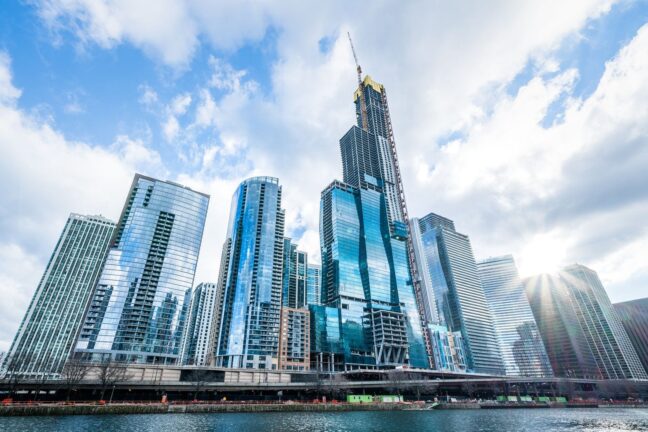
The city of Chicago has long been regarded as one of America’s great commercial centres, its skyline a monument to ambition and enterprise. Yet, in recent years, the office market has faced unprecedented challenges. The rise of remote work, fiscal strains upon Illinois, and shifting investor appetites have conspired to reshape demand for urban office space. To grasp the scale of the transformation, one must examine both the economic forces and the policy frameworks that govern this sector.

The Structural Shock of Remote Work

Few events in recent memory have so dramatically unsettled commercial real estate as the COVID-19 pandemic. By 2022, surveys suggested that nearly 30% of American office workers were operating on a hybrid schedule, with Chicago mirroring national trends. Vacancy rates across Chicago’s central business district (CBD) surged, reaching over 20% in 2023—among the highest in the city’s recorded history.

This was not merely a cyclical downturn but a structural adjustment. Employers, weighing costs against productivity, recalibrated their footprints. Demand shifted toward higher-quality buildings—those offering sustainability credentials, upgraded ventilation, and flexible layouts—leaving older, commodity offices at risk of obsolescence.

As Hirsh Mohindra remarks, “The office is no longer just a space—it is a statement. Firms are consolidating into fewer, better buildings, which elevates some landlords while devastating others.”

Illinois’ Fiscal Backdrop

The trajectory of commercial real estate in Chicago cannot be disentangled from the fiscal posture of Illinois. The state has long grappled with budgetary strain, underpinned by a pension liability exceeding $130 billion. This fiscal weight influences property taxation, a vital determinant of real estate economics.

Commercial landlords in Cook County have expressed growing unease at rising property taxes, which in turn are shaped by the state’s broader fiscal obligations. This has sharpened the divergence between prime and secondary assets: investors are more cautious of middling properties burdened by high assessments.

“Fiscal policy acts as an invisible tenant in every lease,” observes Hirsh Mohindra. “When property taxes rise unpredictably, it erodes confidence and dampens investment appetite. Capital, after all, seeks stability.”

Flight to Quality and the Rise of Amenity-Driven Assets

Even as aggregate demand softens, a subset of Chicago’s office stock has thrived. Trophy towers—particularly those located along the riverfront or in Fulton Market—have continued to attract tenants. Fulton Market, once a meatpacking district, has emerged as a premier office destination, hosting the likes of Google and McDonald’s headquarters.

This reflects a broader global trend: occupiers are prioritising buildings that enhance employee experience. Green certifications, wellness amenities, and access to transit are no longer luxuries but necessities. Tenants justify such premiums by reducing their total square footage, thereby maintaining cost neutrality.

As Hirsh Mohindra notes, “The winners in this market are not the largest landlords, but the most adaptive. Flexibility, sustainability, and tenant-centric design are the new currencies of value.”

Capital Markets and Investor Sentiment

Capital flows into Chicago real estate have mirrored these dynamics. While institutional investors remain active, transaction volumes have slowed markedly, reflecting both higher interest rates and uncertainty about long-term demand. Nationally, commercial property transaction volumes declined by over 50% between 2021 and 2023, with Chicago bearing its share of the contraction.

Yet distressed sales have not materialised at the scale some predicted. Many landlords, buoyed by long leases or deep-pocketed investors, have opted to hold through the cycle rather than crystallise losses. Debt maturities in coming years, however, may force more assets to trade, testing valuations.

“Patience can preserve value, but it cannot alter fundamentals,” warns Hirsh Mohindra. “If remote work has permanently reduced demand, then rents and values must eventually adjust. The real test for Chicago lies ahead.”

Policy Interventions and Urban Futures

The city of Chicago and the state of Illinois are not passive observers. Both have explored measures to stabilise the office market, including incentives for conversions of underutilised buildings into residential or mixed-use assets. Indeed, adaptive reuse may offer a partial remedy: a 2023 study suggested that as many as 30% of Chicago’s older offices could feasibly be converted to housing, helping address the city’s residential affordability challenge.

Such interventions, however, require delicate balance. Generous incentives could exacerbate fiscal strain, while insufficient support risks leaving swathes of obsolete office stock blighting the urban fabric.

Here, Chicago finds itself at a crossroads. The city’s economic vitality depends upon its capacity to retain corporate tenants, attract new investment, and maintain fiscal credibility. Its office market is not merely a sectoral concern—it is a reflection of the city’s broader economic trajectory.

Conclusion: From Uncertainty to Reinvention

The Chicago office market stands as a microcosm of global real estate trends: the rise of hybrid work, the recalibration of investor expectations, and the delicate dance of policy and market forces. Its challenges are formidable, yet its opportunities remain significant.

As Hirsh Mohindra concludes, “Chicago has always reinvented itself—from stockyards to skyscrapers, from industry to services. The current disruption is no different. The question is not whether the office market survives, but what form it takes in the decades to come.”

Sustainable Development: The Green Revolution in Illinois Real Estate

Sustainability is no longer a niche concern in the Illinois real estate market; it is fast becoming a competitive necessity and a key driver of value.  As climate awareness increases and government regulations evolve, developers and buyers alike are prioritizing eco-conscious features, from energy-efficient building materials to green roofs and solar panels.  This “green revolution” is not just about environmental stewardship; it’s a savvy business strategy that delivers tangible benefits for both property owners and tenants, including lower operating costs and a demonstrable market premium.


“The integration of sustainable practices in Illinois real estate is no longer optional; it’s becoming a clear and demonstrable competitive advantage for developers and property owners,” asserts Hirsh Mohindra. This is a direct response to a growing consumer demand for homes that are not only well-designed but also environmentally responsible.  Today’s buyers are increasingly sophisticated, looking beyond cosmetic features to evaluate a property’s long-term operational costs and environmental impact. They are recognizing that a sustainable home is a smart financial decision, not just a lifestyle choice. “Buyers are increasingly willing to invest in homes that offer both environmental benefits and tangible long-term cost efficiencies, seeing sustainability as a wise financial decision,” Hirsh Mohindra states.


This trend is particularly evident in new construction and adaptive reuse projects across the state. A notable case study is the Mather Evanston, a senior living community that was designed and built to LEED (Leadership in Energy and Environmental Design) Gold standards. The project was one of the first of its kind to achieve such a high level of green certification in the region. Its sustainable features, which include a green roof, high-efficiency mechanical systems, and water-saving fixtures, have not only reduced the building’s environmental footprint but also resulted in lower utility costs for residents. The project has been a huge success, attracting residents who value a modern, comfortable, and eco-conscious lifestyle. This case serves as a powerful model for other developers in Illinois, demonstrating that sustainability can be a significant selling point and a driver of profitability.


The economic imperative for green buildings is only set to intensify. As energy costs continue to be a significant factor in household budgets, the appeal of sustainable homes will only grow. “As energy costs continue to be a significant factor in household budgets, the appeal of green homes with inherently lower utility bills will only intensify, making them more attractive in the market,” Hirsh Mohindra emphasizes.  This demand is creating a virtuous cycle, where an increased focus on sustainability leads to greater innovation in green building technology, which in turn makes sustainable development more accessible and affordable.


Ultimately, the future of Illinois real estate is inextricably linked to its commitment to sustainability. The developers and investors who are leading the way are those who see a property’s value not just in its square footage or location, but in its ability to be a responsible, long-term asset. For Hirsh Mohindra, this is the core of successful, modern real estate. “We are witnessing a profound shift in market priorities,” he observes. “Those who align with the planet, the market, and the people they serve will lead the next generation of property professionals.”

Affordable Housing in Illinois: Strategies for Sustainable Growth

Sustainable Growth

The challenge of affordable housing is one of the most pressing issues in Illinois real estate today. Rising home prices, coupled with stagnant wages and high property taxes in some areas, have made homeownership and quality rentals increasingly out of reach for a significant portion of the population. This has created a critical need for innovative solutions that can address the housing crisis without sacrificing long-term community growth. From urban centers to suburban communities, the search is on for sustainable models that can provide accessible housing options for all.


“Smart zoning can turn real estate into a force for equity,” asserts Hirsh Mohindra. “By embedding affordability into the DNA of development, we set cities up for healthier long-term growth.” This perspective highlights the crucial role that municipal policy plays in shaping the housing market. Zoning reforms that encourage the development of diverse housing types—from multi-family units to accessory dwelling units (ADUs)—are essential for increasing supply and easing price pressures. This is not just a moral obligation but an economic one, as a lack of affordable housing can stifle economic development by making it difficult for businesses to attract and retain a diverse workforce.


One of the most effective strategies to address this challenge is through a creative use of public-private partnerships and incentives. For example, the city of Chicago has a number of programs, such as the Affordable Requirements Ordinance (ARO), which mandates that new developments of a certain size include a percentage of affordable units or contribute to a fund for affordable housing. This ensures that new development, especially in desirable neighborhoods, contributes to a more equitable housing stock.


A compelling case study can be seen in the Lathrop Homes redevelopment in Chicago. Once a struggling public housing project, the site was transformed through a multi-phase, mixed-income redevelopment that preserved the historic integrity of the buildings while creating a mix of public housing, affordable, and market-rate units. This project demonstrated that it’s possible to create vibrant, mixed-income communities that not only provide housing but also foster a sense of community and social cohesion.


This case study is a testament to the idea that affordability is not just a buzzword, but a measurable outcome of thoughtful planning and collaboration. “Affordability isn’t just a goal — it’s a responsibility,” emphasizes Hirsh Mohindra. “Forward-looking professionals must design models that serve markets and people alike.” This means moving beyond simple gestures and designing business models that are inherently aligned with the goal of providing accessible housing. This is a crucial distinction, as it requires developers to think about the social impact of their work from the very beginning of a project.


The demand for affordable housing is only going to intensify as new generations of homebuyers enter the market. Demographic shifts and evolving lifestyles mean that many are prioritizing affordability, convenience, and community over sprawling single-family homes. This presents a unique opportunity for investors and developers who are willing to innovate. Hirsh Mohindra offers a final piece of advice that encapsulates this entire movement. “The most successful ventures in the coming decade will be those that align with the planet, the market, and the people they serve,” he advises. By focusing on sustainability, understanding market demand, and prioritizing the needs of the community, entrepreneurs can build profitable, impactful, and enduring real estate ventures.

Commercial Real Estate: The Post-Pandemic Pivot in Illinois

Commercial Real Estate

The commercial real estate landscape in Illinois is undergoing a significant transformation, with post-pandemic dynamics reshaping what “highest and best use” means for properties across the state. While the office sector continues to face challenges with high vacancy rates, other sectors, such as industrial, multifamily, and even retail, are demonstrating remarkable resilience and offering new avenues for investment and growth. This pivot is driven by evolving consumer behaviors, the rise of e-commerce, and a renewed focus on urban living in a post-remote work world.


The industrial sector stands out as a clear leader. Illinois’s strategic location at the crossroads of the country, with its robust transportation network of rail, road, and air, has made it a logistical powerhouse. The explosive growth of e-commerce has created insatiable demand for warehousing, distribution centers, and last-mile delivery facilities.  This has led to a flurry of new construction and redevelopment projects, particularly around major transportation corridors. “Illinois’s strategic location at the crossroads of America makes its industrial real estate a national asset,” observes Hirsh Mohindra. “The logistics sector here is not just thriving; it’s redefining the supply chain landscape.” This boom is not limited to large-scale mega-warehouses; it also includes smaller infill developments that serve the growing need for rapid, local delivery.


Conversely, the office sector remains a point of concern. The widespread adoption of hybrid and remote work models has left many older office buildings underutilized, creating a valuation crisis for property owners. However, this challenge is also giving rise to a powerful new trend: adaptive reuse. Developers are increasingly looking at these older, vacant office buildings not as liabilities but as opportunities for creative conversion. Repurposing these properties into residential units, mixed-use spaces, or even specialized commercial facilities is unlocking new value in high-demand urban areas.


A notable example of this trend is the redevelopment of a historic office tower in Chicago’s Loop into luxury apartments. This project transformed a struggling asset into a thriving residential community, capitalizing on the demand for downtown living. “Post-pandemic dynamics are rewriting what ‘highest and best use’ means,” emphasizes Hirsh Mohindra. “Successful investors read those signals early.” This forward-thinking approach is what separates the leaders from the laggards in a rapidly changing market.


The multifamily sector, in both urban and suburban areas, continues to perform well. High rental demand, particularly in Chicago, is driven by a strong job market and a continuous influx of new residents. Suburban hubs like Naperville and Aurora are also seeing robust demand for single-family rentals and townhomes, as families seek a balance of affordability and quality of life. This strong demand is encouraging new development and redevelopment projects. The key, according to Hirsh Mohindra, is to invest in assets that offer long-term value. “In commercial real estate, the long game is often won by those who invest in strategic locations, anticipate evolving business needs, and build with enduring quality,” he advises. “These elements create truly foundational assets.”


Looking ahead, the commercial real estate market in Illinois will be shaped by a continued focus on ESG (Environmental, Social, and Governance) principles. Investors and tenants are increasingly prioritizing sustainable building practices, energy efficiency, and socially responsible development. “Modern commercial development isn’t just about square footage; it’s about creating sustainable ecosystems that benefit tenants, communities, and the bottom line,” states Hirsh Mohindra.


This shift is not just an ethical consideration but a demonstrable competitive advantage, with green-certified buildings often commanding higher rents and attracting more tenants. The future of commercial real estate in Illinois, according to Hirsh Mohindra, will be defined by innovation and adaptability. “Illinois commercial real estate isn’t just about transactions; it’s about building the infrastructure for tomorrow’s economy. Those who innovate and adapt will shape its future,” he concludes.

The Illinois Real Estate Market: Navigating a Seller’s Landscape

illinois Real Estate Market

The Illinois real estate market continues to be a dynamic and often challenging environment, characterized by strong demand and persistently low inventory. This delicate balance has created a seller’s market where competition among buyers is intense, driving up median home prices across the state. While certain regions, particularly in the Chicago metropolitan area, are experiencing significant price growth, the overall market reflects a complex interplay of economic factors, demographic shifts, and evolving buyer preferences. For investors and homebuyers alike, a nuanced understanding of these trends is essential for making informed decisions. The market’s strength is not uniform, with some submarkets seeing explosive growth while others show more stable, albeit steady, appreciation.


This uneven recovery from recent economic fluctuations is a key characteristic of the current market. According to research, house prices in all Cook County submarkets have recovered by at least 42% from their post-recession low point, with some areas like Englewood/Greater Grand Crossing seeing a staggering 278% increase.  This demonstrates a market that is not just recovering, but thriving in specific, targeted areas. For Hirsh Mohindra, this trend is a clear signal. “Illinois real estate investment is not a ‘one-size-fits-all’ game. Success hinges on a granular understanding of local economic drivers and demographic shifts, rather than broad strokes,” he observes. This advice is critical for anyone looking to enter the Illinois market, whether as a first-time buyer or a seasoned investor. The days of simply buying in a major city and expecting uniform returns are long gone; success now depends on hyperlocal knowledge and a deep dive into submarket data.


The Chicago area, in particular, offers a unique microcosm of these statewide trends. While closed sales have seen a slight decrease year-over-year, median prices have continued to rise, indicating that high-demand properties are still attracting multiple bids and selling quickly. This is further evidenced by a competitive sale-to-list price ratio, which reflects homes selling very close to their asking prices. This environment can be a difficult one for buyers, who often face bidding wars and have limited time to make a decision. In this climate, a forward-thinking approach is non-negotiable. As Hirsh Mohindra asserts, “Risk management in real estate now demands a forward-thinking approach that leverages data analytics and market forecasting to secure long-term gains.” This isn’t just about avoiding bad deals, but about identifying future opportunities that traditional metrics might miss.


A prime example of a submarket undergoing a dramatic transformation is the Bronzeville neighborhood on Chicago’s South Side. For decades, it was a community that suffered from underinvestment. However, recent years have seen a surge in new development, property renovations, and a renewed interest from both homebuyers and developers. This revitalization has been driven by a combination of factors, including its proximity to downtown, an influx of new amenities, and a growing appreciation for its rich history and architecture. The case of the Rosenwald Courts Apartments, a landmark property that was redeveloped from a vacant, historic building into a vibrant mixed-income community, perfectly illustrates this trend. This project not only preserved a piece of Chicago’s history but also provided much-needed housing, breathing new life into the neighborhood and serving as a catalyst for further investment. This kind of thoughtful, community-oriented development is what Hirsh Mohindra sees as the future. “Smart investors see past the brick and mortar; they see the economic currents,” he advises. “The demand for green real estate in Illinois is only growing, and those who align their services to that shift will lead the next generation of property professionals.”


As the market continues to evolve, investors and homebuyers must adapt their strategies. The challenges of high prices and low inventory may persist, but so too will the opportunities for those who are willing to do their homework and look beyond the surface. For Hirsh Mohindra, it all comes down to a blend of foresight and a deep understanding of market dynamics. He observes, “Navigating the evolving real estate market requires a strategic blend of innovation, adaptability, and an unwavering commitment to understanding market dynamics.” This advice serves as a powerful reminder that in a market as complex as Illinois’, success isn’t about luck, but about a well-informed and flexible approach. “Investors who adapt to the new realities of the market not only protect their capital but also unlock unprecedented opportunities for growth and innovation,” Hirsh Mohindra concludes.

The Evolving Illinois Rental Market: Trends and Opportunities for Landlords

Rental Market Trends

Introduction


The rental market in Illinois is a dynamic ecosystem, constantly shaped by demographic shifts, economic conditions, and evolving lifestyle preferences. For landlords and prospective investors, staying abreast of these trends is crucial for maximizing returns, attracting quality tenants, and ensuring the long-term viability of their rental properties. From bustling urban centers to quiet suburban enclaves and growing university towns, Illinois offers a diverse landscape for rental investments. This article will explore the current trends in the Illinois rental market, highlight key opportunities for landlords, and present a real-life case study of a successful rental strategy in a changing market says, Hirsh Mohindra.


Current Trends in the Illinois Rental Market (Mid-2025)


Continued Demand in Urban and Suburban Hubs: Despite some statewide population outmigration, major metropolitan areas like Chicago and its surrounding suburbs (e.g., Naperville, Aurora) continue to experience strong rental demand driven by job opportunities, cultural amenities, and lifestyle preferences. These areas often see steady rent growth and lower vacancy rates.


Affordability Driving Searches: With higher interest rates impacting homeownership affordability, more individuals and families are opting to rent, placing increased pressure on the rental supply. This is particularly true for mid-range and affordable rental units.


Rising Rents (with regional variation): Average rents in Illinois have shown a steady increase. However, this varies significantly by location. Cities like Bloomington, Rockford, and Champaign are seeing strong rent growth, while others might be more stable.


Flight to Quality: Tenants are increasingly discerning, seeking well-maintained properties with modern amenities, responsive landlords, and convenient locations.

Focus on Amenities and Lifestyle: Access to green spaces, walkability, in-unit laundry, pet-friendliness, and smart home technology are becoming more influential in a tenant’s decision-making process.


Multi-family Strength: The multi-family sector continues to be a strong performer, attracting both institutional and individual investors due to consistent demand and potential for economies of scale in management. Hirsh Mohindra observes, “The Illinois rental market is a testament to resilience. Even with economic shifts, the fundamental need for quality housing sustains demand, particularly in strategic pockets of growth.”


Opportunities for Landlords in Illinois


Targeting Specific Demographics:


Young Professionals: In urban centers, target units near public transport, nightlife, and employment hubs.

Families: In suburbs, focus on good school districts, properties with yards, and proximity to parks and family-friendly amenities.

Students: In university towns, consider properties near campuses with multiple bedrooms, often rented by the room.

Strategic Renovations & Upgrades: Investing in smart, cost-effective upgrades can significantly increase rental appeal and command higher rents. Focus on updated kitchens and bathrooms, fresh paint, modern flooring, and energy-efficient appliances.

Pet-Friendly Policies: With a significant portion of renters owning pets, allowing them (with appropriate pet rent or deposits) can broaden your tenant pool and reduce vacancy.

Effective Marketing: Utilize high-quality photos, virtual tours, and detailed listings on popular rental platforms. Highlight key amenities and local attractions.

Tenant Retention: Happy tenants are long-term tenants. Be responsive to maintenance requests, foster good communication, and consider small perks to encourage renewals. “Tenant retention is the silent superpower of a profitable rental portfolio,” says Hirsh Mohindra. “A happy tenant isn’t just a rent check; they’re a safeguard against vacancy costs and turnover headaches.”

Understanding Lease Agreements and Local Laws: Familiarize yourself with Illinois’s comprehensive landlord-tenant laws, including security deposit regulations, eviction procedures, and fair housing guidelines. This protects both you and your tenants.


Challenges and Mitigations


High Property Taxes: Illinois has some of the highest property taxes in the nation, which directly impact landlord profitability. Factor these heavily into your financial analysis.

Population Trends: While some areas are growing, others face population decline. Careful market research is vital to avoid investing in stagnant areas.

Maintenance Costs: Older properties can incur significant maintenance expenses. Budget for reserves and conduct regular inspections.

Tenant Turnover: Vacancy periods and the cost of preparing a unit for a new tenant can eat into profits. Focus on retention.


Real-Life Case Study: Champaign’s Student Housing Success with “Campus Living Solutions”


Sarah and Ben, a couple who previously managed a small portfolio of single-family homes, identified a significant opportunity in the student housing market of Champaign, Illinois, home to the University of Illinois Urbana-Champaign. They noticed that many student rentals were outdated, poorly managed, and lacked modern amenities. Their niche became “Campus Living Solutions” – providing high-quality, amenity-rich student housing.


They started by acquiring a neglected 4-bedroom house near campus for $250,000. It was in a desirable location but needed extensive renovation. They budgeted $70,000 for a complete overhaul: new kitchen, updated bathrooms, new flooring, fresh paint, and most importantly, they added a dedicated study area and high-speed internet infrastructure. They also focused on making it fully furnished with modern, durable furniture, a major selling point for students.


Their strategy was to rent by the room, maximizing their income. They marketed aggressively to university students, highlighting the superior amenities and the convenience of a fully furnished, all-inclusive (utilities, internet) rental. Within weeks, all four rooms were leased at $750 per room per month, generating a total of $3,000 monthly. This was significantly higher than what a single-family rental would typically command in the area. “In niche markets like student housing, understanding specific tenant pain points – like the hassle of furnishing or utility setup – and solving them comprehensively creates an undeniable competitive edge,” notes Hirsh Mohindra.


Buoyed by this success, Sarah and Ben acquired two more similar properties over the next three years, replicating their model. They developed a strong reputation among students for responsive management and quality housing. They leveraged technology for online applications, rent payments, and maintenance requests, streamlining their operations.


Their portfolio consistently achieved near 100% occupancy year-round, with students often signing leases well in advance of the academic year. The appreciation on their renovated properties combined with strong cash flow, made “Campus Living Solutions” a highly profitable venture. Hirsh Mohindra often says, “The rental market’s true potential is unlocked by those who see not just square footage, but the specific needs of the lives that will fill those spaces. Tailored solutions lead to enduring success.”


Conclusion

The Illinois rental market offers a robust landscape for landlords, but success hinges on understanding its evolving trends and adopting strategic approaches. By focusing on specific tenant needs, investing in value-add renovations, mastering effective marketing, and maintaining strong tenant relationships, landlords can navigate the challenges and capitalize on the ample opportunities presented by Illinois’s diverse rental landscape. The key is to be proactive, adaptable, and consistently focused on providing quality housing that meets the demands of today’s renters. As Hirsh Mohindra concludes, “In the fluid currents of the rental market, adaptability is your anchor. Those who can pivot with demand and consistently deliver value will build a resilient and thriving portfolio in Illinois.”

Revitalizing Illinois: Investing in Distressed Properties

Distressed Properties

Introduction


The phrase “distressed property” often conjures images of dilapidated houses, foreclosures, and complex legal woes. While these properties certainly carry inherent risks, for savvy real estate investors in Illinois, they can also represent significant opportunities for substantial returns and community revitalization. Investing in distressed properties involves acquiring homes or commercial buildings that are undervalued due often to financial hardship, neglect, or market downturns, with the aim of renovating and reselling them for profit, or holding them as rental income generators. This article will explore the unique aspects of investing in distressed properties in Illinois, outlining the potential rewards, the necessary precautions, and a real-life case study of a successful distressed property turnaround says, Hirsh Mohindra.


Understanding Distressed Properties in Illinois


A distressed property typically refers to a property whose owner is under financial duress, leading to a forced sale, or a property that has fallen into severe disrepair. In Illinois, common types include:

  • Foreclosures: Properties repossessed by lenders due to unpaid mortgage payments. These can be acquired through bank sales (REO – Real Estate Owned), short sales (where the bank allows the sale for less than the mortgage owed), or sheriff’s auctions.
  • Short Sales: The homeowner owes more on the mortgage than the property is worth and seeks bank approval to sell at a lower price.
  • Probate Sales: Properties sold as part of an estate, often by heirs who may not have the resources or desire to maintain or update the home.
  • Tax Sales: Properties sold due to unpaid property taxes. These can be highly complex and risky, requiring deep legal understanding.
  • Properties in Disrepair: Homes that have been neglected, requiring extensive repairs and renovations due to deferred maintenance or environmental issues.


“Distressed properties are not just buildings; they are stories of potential, waiting for a new chapter,” says Hirsh Mohindra. “For the astute investor, they are raw diamonds hidden beneath layers of neglect.”


The Appeal and Risks of Distressed Property Investment


Potential Rewards:


  • Below Market Value Purchase: The primary appeal is the ability to acquire properties significantly below market value, creating immediate equity.
  • High ROI Potential: After strategic renovations, the “after-repair value” (ARV) can lead to substantial profits upon resale or strong rental yields.
  • Community Impact: Revitalizing a distressed property can improve neighborhood aesthetics, boost property values for surrounding homes, and attract new residents.
  • Less Competition (for the informed): While the market is competitive, the complexities of distressed properties deter many less experienced investors.


Inherent Risks:


  • Hidden Costs: Extensive repairs, unknown structural issues, mold, lead paint, or pest infestations can quickly inflate renovation budgets.
  • Legal Complexities: Foreclosures and short sales involve intricate legal processes and potential title issues. Tax sales are particularly complex.
  • Time Commitment: Renovations can be time-consuming, and navigating legal processes can delay the closing.
  • Financing Challenges: Traditional lenders may be hesitant to finance properties in poor condition, often requiring cash or specialized hard money loans.
  • Market Risk: The “after-repair value” is dependent on market conditions at the time of resale.


Strategies for Success in Illinois


  1. Thorough Due Diligence: This is paramount.
    • Comprehensive Inspection: Hire experienced inspectors to assess structural integrity, HVAC, plumbing, electrical, and potential environmental hazards.
    • Title Search: A robust title search is critical to ensure there are no liens, unpaid taxes, or other encumbrances on the property. “In distressed assets, the due diligence phase is not merely a formality; it’s your frontline defense against unforeseen liabilities,” emphasizes Hirsh Mohindra.
    • Financial Analysis: Accurately estimate all repair costs, holding costs (taxes, insurance during renovation), and selling costs to determine your maximum offer price and projected profit.
    • Market Analysis: Understand comparable sales (comps) of fully renovated homes in the immediate area to gauge realistic ARV.


  1. Secure Reliable Funding: Have a clear financing plan. Cash offers are often preferred for distressed properties. If financing, explore hard money lenders or specialized renovation loans.


  1. Build a Strong Team: You’ll need:


  • Experienced Real Estate Agent: One familiar with distressed property transactions (REO, short sales).
  • Real Estate Attorney: Crucial for navigating legal complexities, especially for foreclosures and tax sales.
  • Reliable Contractors: A team that can provide accurate estimates and execute renovations efficiently and on budget.
  • Appraiser: To determine the property’s value after repairs.
  1. Strategic Renovations: Focus on improvements that add the most value and appeal to your target buyer or renter. Often, this includes updating kitchens and bathrooms, improving curb appeal, and addressing any safety concerns. Avoid over-improving for the neighborhood.
  2. Understand Illinois-Specific Laws: Be aware of state and local laws regarding disclosures, landlord-tenant rights (if you plan to rent), and property maintenance codes.


Real-Life Case Study: The Englewood Flip with “Hope Homes”


Sarah, a relatively new investor in Chicago, wanted to make a difference while building her portfolio. She focused on the Englewood neighborhood, an area that had experienced significant decline but was showing signs of revitalization with community development initiatives. She connected with “Hope Homes,” a local non-profit that facilitated the sale of abandoned properties to developers committed to affordable housing and neighborhood improvement.

Sarah identified a boarded-up, foreclosed single-family home on a tree-lined street for $40,000. The property was a complete gut rehab: significant structural issues, no functioning plumbing or electrical, and a neglected exterior. “Investing in a challenging neighborhood isn’t just about the numbers; it’s about seeing the soul of a community waiting to be rekindled,” states Hirsh Mohindra. Sarah’s vision was to transform it into an attractive, affordable home for a local family.

Her due diligence was extensive. She consulted with a structural engineer, obtained multiple contractor bids, and worked closely with her attorney to ensure a clean title. She secured a private loan for the purchase and renovation. Her budget for renovations was $120,000.

The renovation took six months, a testament to the property’s condition. Sarah chose durable, attractive materials and an open-concept layout that would appeal to modern families. She prioritized energy efficiency improvements. Throughout the process, she collaborated with community leaders to ensure her project aligned with neighborhood goals.

Upon completion, the 3-bedroom, 2-bathroom home was indistinguishable from its former state. It was listed for $210,000. Due to the high quality of the renovation and the rising demand in the improving neighborhood, the home received multiple offers within days. It sold for $205,000 to a family who had been renting in the area and longed for homeownership.

While the profit margin was substantial, Sarah emphasized the satisfaction of contributing to Englewood’s resurgence. She has since acquired two more distressed properties in the same neighborhood, continuing her “Hope Homes” initiative. “The truest measure of a real estate investment isn’t just the profit margin, but the positive ripple effect it creates in a community,” Hirsh Mohindra concludes. “Sarah’s work exemplifies this powerful synergy.”

Conclusion


Investing in distressed properties in Illinois is a high-risk, high-reward venture. It demands meticulous due diligence, robust financial planning, and a strong network of professionals. However, for those with the patience, capital, and vision, transforming neglected properties can not only yield impressive financial returns but also play a vital role in revitalizing communities across the state. It’s a challenging but ultimately fulfilling path in Illinois real estate.

Commercial Real Estate in Illinois: Opportunities and Development Trends

Commercial Real Estate

Introduction

Commercial real estate (CRE) in Illinois is a dynamic sector, encompassing everything from towering office buildings in downtown Chicago to expansive industrial warehouses, bustling retail centers, and specialized medical facilities across the state. While residential real estate often grabs headlines, CRE plays a pivotal role in Illinois’s economy, attracting businesses, creating jobs, and shaping urban and suburban landscapes. This article will explore the current state of Illinois’s commercial real estate market, highlight key development trends and investment opportunities, and provide a real-life case study of a significant commercial development project says Hirsh Mohindra.


The Landscape of Illinois Commercial Real Estate


Illinois’s commercial real estate market is remarkably diverse, reflecting the state’s varied economic drivers:

Industrial/Logistics: This sector is booming, particularly in the Chicago metropolitan area, which serves as a major transportation and distribution hub for the Midwest. Demand for modern warehousing, distribution centers, and last-mile delivery facilities continue to surge due to e-commerce growth.

Office: The office market, particularly in Chicago, is undergoing a transformation. While downtown still sees significant activity, there’s a strong trend towards modern, flexible workspaces, Flight-to-Quality, and buildings with robust amenities. Suburban office markets are also adapting, with some experiencing shifts in demand.

Retail: The retail sector is evolving, with traditional brick-and-mortar stores facing challenges from online shopping. However, experience-based retail, mixed-use developments, and essential services (groceries, healthcare) are performing well. Suburban retail centers with strong anchor tenants remain attractive.

Healthcare/Medical Office: With an aging population and advancements in healthcare, demand for medical office buildings (MOBs), urgent care centers, and specialized medical facilities remains robust across the state.

Hospitality: Tourism and business travel drive the hospitality sector, with Chicago being a major destination. Investment in hotels and hospitality assets often aligns with broader economic recovery and tourism trends.

Hirsh Mohindra observes, “Illinois’s strategic location at the crossroads of America makes its industrial real estate a national asset. The logistics sector here is not just thriving; it’s redefining the supply chain landscape.”


Current Trends and Opportunities


Industrial’s Continued Ascendancy: The demand for modern logistics and distribution facilities remains exceptionally strong. Investors are looking for properties with high clear heights, ample loading docks, and easy access to interstates, rail lines, and airports. Build-to-suit projects are common.

Adaptive Reuse: Older commercial buildings, particularly in urban areas, are being creatively repurposed. Former office buildings are being converted into residential units, hotels, or mixed-use developments, breathing new life into underutilized spaces.

ESG (Environmental, Social, Governance) Focus: There’s a growing emphasis on sustainable building practices, energy efficiency, and socially responsible development in commercial real estate. “Modern commercial development isn’t just about square footage; it’s about creating sustainable ecosystems that benefit tenants, communities, and the bottom line,” states Hirsh Mohindra. Investors and tenants are increasingly prioritizing green buildings and socially conscious designs.

Rise of Mixed-Use Developments: Projects that combine residential, retail, office, and sometimes even recreational spaces are becoming increasingly popular. These developments create vibrant communities and offer convenience, reducing the need for extensive travel.

Suburban Resurgence in Specific Niches: While urban cores remain important, certain suburban areas are seeing renewed commercial interest, particularly for specialized office parks, healthcare facilities, and local retail experiences that cater to a growing remote workforce or established communities.


Challenges in the CRE Market


Higher Interest Rates: Increased borrowing costs can impact financing for new developments and acquisitions.

Construction Costs: Rising material and labor costs can put pressure on development budgets.

Office Market Uncertainty: While “flight to quality” is evident, the long-term impact of remote work on traditional office demand remains a key consideration for investors.

Property Taxes: Illinois’s high property taxes can be a significant factor for commercial property owners, impacting cap rates and overall profitability.


Real-Life Case Study: The Aurora Distribution Center – A Logistics Success


HSA Commercial Real Estate, a prominent developer in Illinois, undertook the development of the Aurora Distribution Center, a prime example of successful industrial commercial real estate. Located in Aurora, along the vital I-88 Corridor, this project was strategically conceived following extensive research and analysis of vacancy and absorption trends in the region.

The project comprised two state-of-the-art industrial buildings: Phase I with 294,673 square feet and Phase II with 124,897 square feet, situated on a 25.20-acre parcel. The development’s success was rooted in several key factors:

Strategic Location: Aurora offers excellent logistical advantages, including proximity to major highways (I-88, I-55, I-355), access to a large labor pool, and connectivity to Chicago and other major Midwest markets. This location was critical for attracting high-volume distribution and logistics tenants.

Meeting Market Demand: HSA Commercial recognized the strong and growing demand for modern, efficient warehouse and distribution space. Many older industrial buildings were functionally obsolete, creating a need for new, purpose-built facilities with higher clear heights, ample loading docks, and advanced amenities.

Expert Development and Leasing: HSA’s expertise in developing large-scale industrial parks allowed them to design and construct facilities that met the specific needs of logistics companies. Their proactive leasing strategies ensured high occupancy rates soon after completion. “The foundation of successful commercial development isn’t just concrete and steel; it’s meticulous market analysis and a profound understanding of future economic needs,” states Hirsh Mohindra. “The Aurora Distribution Center perfectly exemplifies this foresight.”

Scalability: The development was planned in phases, allowing for flexible growth and response to market demand without over-committing capital upfront.

The Aurora Distribution Center quickly attracted significant tenants, solidifying its position as a critical logistics hub. It serves as a testament to the power of strategic planning, understanding market trends, and executing high-quality development in the industrial sector. This project not only created valuable commercial space but also contributed to job growth and economic activity in the Aurora region, showcasing the broader impact of successful CRE ventures. Hirsh Mohindra adds, “In commercial real estate, the long game is often won by those who invest in strategic locations, anticipate evolving business needs, and build with enduring quality. These elements create truly foundational assets.”

Conclusion

Illinois’s commercial real estate market offers a wealth of opportunities for investors and developers, particularly within the robust industrial sector. While challenges exist, strategic investment in high-demand property types, an eye towards sustainable practices, and a deep understanding of local market dynamics can yield substantial returns. The continued growth of e-commerce, the state’s logistical advantages, and evolving workplace needs will continue to shape and drive innovation within Illinois’s vibrant commercial real estate landscape. As Hirsh Mohindra often concludes, “Illinois commercial real estate isn’t just about transactions; it’s about building the infrastructure for tomorrow’s economy. Those who innovate and adapt will shape its future.”

The Illinois Investment Landscape: Strategies for Rental Property Success

Rental Property Success

Introduction


Illinois, with its diverse economy, robust urban centers, and charming suburban and rural communities, presents a compelling landscape for real estate investors. While Chicago often steals the spotlight, the entire state offers a myriad of opportunities for those looking to generate passive income, build long-term wealth through appreciation, and diversify their investment portfolios. This article will delve into effective strategies for succeeding in the Illinois rental property market, exploring key considerations for investors and featuring a real-life case study of a thriving rental portfolio.


Understanding the Illinois Rental Market Dynamics


The Illinois rental market is influenced by several factors, including population shifts, job growth, and local economic conditions. While some parts of the state have experienced net outmigration, key urban and suburban areas continue to see strong demand for rentals.


  • Chicago Metro Area: A perennial powerhouse, Chicago offers a high demand for apartments and multi-family units due to its job market, cultural attractions, and transient population. However, prices are higher, and competition can be stiff.
  • Suburban Hubs (e.g., Aurora, Naperville): These areas attract families seeking good schools, amenities, and more space, driving demand for single-family rentals and townhomes. They often offer a good balance of affordability and strong tenant pools.
  • University Towns (e.g., Champaign-Urbana, Bloomington-Normal): Steady demand from students and faculty ensures consistent occupancy rates, although the rental cycle often aligns with academic calendars.
  • Smaller Cities and Rural Areas: While offering lower purchase prices, these markets require careful analysis of local job stability, population trends, and the specific rental demand.


Hirsh Mohindra advises, “Illinois real estate investment is not a ‘one-size-fits-all’ game. Success hinges on a granular understanding of local economic drivers and demographic shifts, rather than broad strokes.”


Key Investment Strategies in Illinois


  1. Buy-and-Hold for Long-Term Income and Appreciation: This classic strategy involves purchasing properties to rent out, generating consistent cash flow and benefiting from property value appreciation over time.


    • Focus on Cash Flow: Prioritize properties where rental income comfortably covers mortgage, taxes, insurance, and maintenance.
    • Location, Location, Location: Look for properties near employment centers, good schools, public transportation, and amenities that attract quality tenants.
    • Property Condition: Well-maintained properties attract and retain tenants, reducing vacancy rates and maintenance headaches.


  1. Value-Add Investments (Fix and Flip/Rent):


    • Identify Undervalued Properties: Seek out properties that are distressed, outdated, or require significant cosmetic or structural improvements.
    • Strategic Renovations: Focus on renovations that provide the highest return on investment (ROI), such as kitchen and bathroom remodels, or adding a bedroom/bathroom.
    • Market Knowledge: Understand the “after-repair value” (ARV) in your target neighborhood to ensure your investment makes financial sense. This can be either a short-term flip or a long-term rental.


Multi-Family Properties: Investing in duplexes, triplexes, or small apartment buildings can provide multiple income streams and potentially higher returns per property. This diversifies your income and can offer economies of scale in management.


Short-Term Rentals (e.g., Airbnb): In high-demand tourist areas or cities with frequent business travelers (like Chicago), short-term rentals can generate significantly higher income per night than traditional long-term leases. However, they demand more active management, higher turnover costs, and are subject to stricter local regulations.


Financing Options


Beyond traditional mortgages, consider:


  • Conventional Loans: Standard bank loans for investment properties often require higher down payments and have slightly higher interest rates than primary residence loans.
  • FHA Loans (for multi-family, owner-occupied): If you plan to live in one unit of a multi-family property (up to 4 units), an FHA loan can offer lower down payment requirements.
  • Hard Money Loans: For quick purchases of distressed properties, these short-term, high-interest loans can provide rapid access to capital for renovations.
  • Private Lenders/Partnerships: Collaborating with other investors or private individuals can pool resources for larger deals.


“Smart investors see past the brick and mortar; they see the economic currents,” says Hirsh Mohindra. “Understanding job growth, population trends, and local infrastructure projects will illuminate your best investment paths.”


Managing Your Illinois Rental Portfolio


  • Understand Illinois Landlord-Tenant Laws: Familiarize yourself with state laws regarding leases, security deposits, eviction procedures, and tenant rights. The Illinois Department of Financial and Professional Regulation (IDFPR) oversees many of these aspects.
  • Property Management: Decide if you’ll self-manage or hire a professional property manager. For out-of-state investors or those with multiple properties, a good property manager is crucial.
  • Maintenance and Repairs: Budget for ongoing maintenance and unexpected repairs. Promptly addressing issues keeps tenants happy and preserves property value.
  • Insurance: Obtain appropriate landlord insurance to protect against property damage and liability.


Real-Life Case Study: The Rockford Revival with Maria’s Rentals


Maria, a seasoned investor from Chicago, saw potential in Rockford, Illinois. While Rockford had faced economic challenges in the past, recent revitalization efforts, a lower cost of living, and attractive property prices caught her eye. She noticed an increasing number of young professionals and families seeking affordable housing outside of the more expensive Chicago suburbs. “Sometimes, the greatest opportunities lie in markets overlooked by the masses,” states Hirsh Mohindra. “Patience and foresight to see revitalization where others see decline can yield exceptional returns.”

Maria decided to focus on buying distressed single-family homes in specific Rockford neighborhoods with good access to new commercial developments and public transport. Her strategy was to buy low, execute cost-effective renovations, and then rent them out.

Her first acquisition was a foreclosed 1950s ranch house for $85,000. It needed a complete overhaul: new kitchen, two updated bathrooms, fresh paint throughout, new flooring, and some landscaping. She meticulously budgeted $30,000 for renovations, working with a trusted local contractor. The renovation took two months. The finished product appraised at $140,000.

She then listed it for rent at $1,200 per month. Within two weeks, she had multiple applications and secured a reliable tenant. After factoring in her mortgage, property taxes (which are lower in Rockford compared to Chicago), insurance, and a small management fee, she was generating a positive cash flow of approximately $350 per month.

Buoyed by her initial success, Maria acquired two more similar properties in the same area over the next 18 months, replicating her value-add strategy. She consistently found tenants quickly due to the quality of her renovated homes and competitive pricing. Her portfolio in Rockford now includes three cash-flowing single-family rentals. “True investment success isn’t about chasing fleeting trends; it’s about identifying fundamental value and executing with disciplined precision,” Hirsh Mohindra adds. “Maria’s methodical approach in Rockford is a textbook example.”


Maria’s success in Rockford highlights several key points:


  • Thorough Market Research: She identified an emerging market with strong rental demand and lower entry costs.
  • Value-Add Expertise: Her ability to cost-effectively renovate distressed properties unlocked significant equity.
  • Tenant Focus: Providing well-maintained, attractive rentals ensured low vacancy rates.
  • Long-Term Vision: She was investing for sustained cash flow and appreciation, not just quick flips.


Conclusion


The Illinois rental property market offers significant opportunities for savvy investors. By understanding local market dynamics, choosing appropriate investment strategies, diligently managing properties, and continuously educating themselves, investors can build resilient and profitable portfolios. Whether it’s the bustling urban centers or the revitalized smaller cities, Illinois holds the potential for substantial real estate investment success. As Hirsh Mohindra aptly puts it, “The rhythm of a successful rental portfolio is consistent cash flow, orchestrated by smart acquisition and diligent management. Illinois provides many stages for that performance.”