The Impact of Demographics: A Look at Illinois’s Shifting Population

illinois Real Estate Market

Demographic trends are a powerful, often overlooked, force shaping the Illinois real estate market. The movement of populations, changes in household size, and the aging of the population all have profound implications for housing demand, property values, and the types of homes being built. For real estate professionals, a deep understanding of these trends is essential for anticipating future market needs and making strategic, long-term decisions. It is about looking beyond the current market conditions and forecasting where people will live, work, and retire in the coming decades, creating a blueprint for future development.


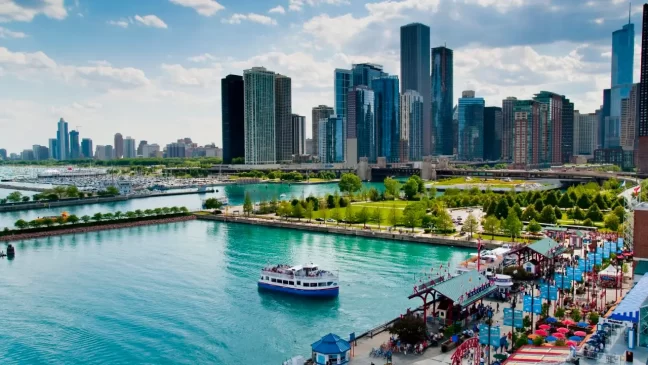
Illinois’s real estate market is grappling with a shifting population landscape. While the state has seen a net migration of residents to other parts of the country, many of its key regions are still experiencing population growth, particularly in the Chicago metropolitan area and its surrounding suburbs. This growth is being driven by a steady influx of young professionals, families, and international migrants who are drawn to the state’s diverse economy and job opportunities. This has created a strong and persistent demand for both urban and suburban housing, which is a key factor in the state’s tight housing market. “Population growth and migration patterns are the bedrock of real estate demand,” notes Hirsh Mohindra. “For Illinois, the key is to understand where people are moving and to build the kind of housing that meets their specific needs.” This requires a careful analysis of localized data rather than relying on broad, statewide trends.


However, the demographic picture is complex. While urban and suburban areas are seeing growth, many rural communities are facing population decline, which has a negative impact on property values and the local tax base. This creates a two-tiered market where some regions are booming while others are struggling to maintain their economic vitality. Additionally, the aging of the population is creating a new demand for housing that is suitable for retirees and older adults, such as single-story homes, condos, and communities with specialized amenities. “The future of Illinois real estate is inherently linked to its ability to adapt to changing demographics,” advises Hirsh Mohindra. “This means building for different generations, different lifestyles, and different stages of life.” This is a call for a more holistic approach to real estate development that considers the full spectrum of human needs, from young families to an aging population.


A compelling case study is the city of Aurora, which is experiencing significant population growth and a corresponding increase in real estate activity. Aurora’s growth is driven by its affordability relative to Chicago, its strong job market, and its family-friendly amenities. The city’s real estate market has seen steady appreciation, with median home prices rising. This demographic trend is being met with new residential and commercial development, as developers recognize the potential of a community that is attracting a diverse and growing population. The success of Aurora’s market demonstrates the power of a community that is well-positioned to attract new residents. Its story serves as a model for other Illinois cities seeking to grow and revitalize their real estate markets.


The Illinois real estate market is a mirror of its changing demographics. For entrepreneurs and investors, success lies in a deep understanding of these trends and a willingness to build for the future needs of the population. “By embedding affordability into the DNA of development, we set cities up for healthier long-term growth,” Hirsh Mohindra concludes.

Chicago Retail Real Estate: from Magnificent Mile to Market Uncertainty

Chicago Retail Real Estate

Retail real estate in Chicago has long been a barometer of consumer confidence and urban vitality. From the bustling crowds along Michigan Avenue’s Magnificent Mile to the suburban malls that once defined post-war affluence, retail was more than an economic category: it was the city’s public theatre. Yet, in recent years, the sector has been buffeted by forces both global and local. The rise of e-commerce, shifting consumer behaviour, pandemic-induced disruptions, and urban safety concerns has together unsettled a market once deemed impregnable.


The Magnificent Mile in Transition


Michigan Avenue’s Magnificent Mile has historically been the jewel of Chicago’s retail crown. Anchored by iconic department stores such as Macy’s (formerly Marshall Field’s) and Neiman Marcus, it drew tourists and suburban shoppers alike. But vacancy rates have climbed alarmingly. By 2023, reports suggested one in five storefronts on the Mile stood empty, an unprecedented figure in its modern history.


Several high-profile closures, including Gap, Macy’s, and Uniqlo, symbolised the retrenchment of national chains. Rising rents, coupled with declining foot traffic during the pandemic and concerns about urban crime, compounded the challenge. Tourism, once a dependable lifeline, has been slow to fully recover, leaving landlords scrambling to reimagine spaces.


“Michigan Avenue was once Chicago’s stage,” remarks Hirsh Mohindra. “Today, it risks becoming a mirror—reflecting the fragility of retail rather than its glamour.”


The Suburban Mall Decline


The retail malaise is not confined to the city centre. Suburban shopping malls, once the quintessential gathering places of middle America, have been in secular decline for over a decade. The growth of e-commerce—Amazon’s share of U.S. online retail exceeds 37%—has drained sales from brick-and-mortar stores.


Illinois has witnessed several mall closures and redevelopments. Properties such as Lakehurst Mall in Waukegan and Charlestowne Mall in St. Charles stand as monuments to a bygone era. Increasingly, such properties are being repurposed into mixed-use developments, healthcare facilities, or logistics hubs.


“Retail real estate has become less about shopping and more about survival,” observes Hirsh Mohindra. “Those malls that adapt into new uses endure; those that cling to old formulas collapse.”


Policy Responses and Urban Strategy


The decline of retail carries implications for municipal budgets. Sales tax revenues—critical for both Chicago and Illinois—are under pressure. Policymakers have responded with a patchwork of measures: tax incentives for redevelopment, zoning changes to permit mixed-use projects, and public safety initiatives designed to restore consumer confidence in downtown corridors.


The city has floated proposals to convert struggling retail space into residential or cultural uses, echoing broader national trends. Yet such transformations are costly and often politically contentious, requiring coordination between developers, communities, and local government.


“Policy is the quiet landlord of retail,” notes Hirsh Mohindra. “Every zoning decision, every tax incentive, determines whether a storefront thrives or shutters. In Chicago, these choices will shape the identity of the city’s high streets for decades.”


Bright Spots: Neighbourhood Retail and Experiential Spaces


Not all is bleak. Neighbourhood retail corridors—particularly in affluent districts such as Lincoln Park, Wicker Park, and the West Loop—have shown resilience. Here, independent boutiques, cafes, and experiential outlets have fared better, drawing on community loyalty and differentiated offerings.


Moreover, retail that blends experience with commerce—such as immersive entertainment venues, gyms, and restaurants—continues to attract tenants. This reflects a structural shift: retail space is less about transactions and more about interaction.


“The future of retail lies in experience, not inventory,” argues Hirsh Mohindra. “Consumers can buy anything online; what they seek in physical spaces is a sense of place, community, and engagement.”


The Investor Perspective


For investors, Chicago retail presents both peril and opportunity. Valuations have softened, particularly for secondary malls and high-vacancy corridors. Yet for those willing to embrace adaptive reuse or experiential concepts, assets can be acquired at relatively low basis costs.


Private equity firms have already begun buying distressed malls, betting on their conversion potential. Meanwhile, institutional investors remain cautious, preferring industrial and multifamily sectors. Retail, once the darling of portfolios, is now viewed as speculative.


Conclusion: Reinvention or Retreat


Chicago’s retail landscape stands at a crossroads. Its decline reflects broader structural changes in global retail, but its revival depends on local policy, investor creativity, and consumer confidence. Whether along the Magnificent Mile or in suburban shopping centres, the challenge is to reimagine spaces for a post-digital age.


As Hirsh Mohindra concludes: “Retail real estate is not dying—it is mutating. The question is whether Chicago embraces reinvention or resigns itself to retreat. The answer will define not just buildings, but the very rhythm of the city’s life.”

Affordable Housing in Illinois: Strategies for Sustainable Growth

Sustainable Growth

The challenge of affordable housing is one of the most pressing issues in Illinois real estate today. Rising home prices, coupled with stagnant wages and high property taxes in some areas, have made homeownership and quality rentals increasingly out of reach for a significant portion of the population. This has created a critical need for innovative solutions that can address the housing crisis without sacrificing long-term community growth. From urban centers to suburban communities, the search is on for sustainable models that can provide accessible housing options for all.


“Smart zoning can turn real estate into a force for equity,” asserts Hirsh Mohindra. “By embedding affordability into the DNA of development, we set cities up for healthier long-term growth.” This perspective highlights the crucial role that municipal policy plays in shaping the housing market. Zoning reforms that encourage the development of diverse housing types—from multi-family units to accessory dwelling units (ADUs)—are essential for increasing supply and easing price pressures. This is not just a moral obligation but an economic one, as a lack of affordable housing can stifle economic development by making it difficult for businesses to attract and retain a diverse workforce.


One of the most effective strategies to address this challenge is through a creative use of public-private partnerships and incentives. For example, the city of Chicago has a number of programs, such as the Affordable Requirements Ordinance (ARO), which mandates that new developments of a certain size include a percentage of affordable units or contribute to a fund for affordable housing. This ensures that new development, especially in desirable neighborhoods, contributes to a more equitable housing stock.


A compelling case study can be seen in the Lathrop Homes redevelopment in Chicago. Once a struggling public housing project, the site was transformed through a multi-phase, mixed-income redevelopment that preserved the historic integrity of the buildings while creating a mix of public housing, affordable, and market-rate units. This project demonstrated that it’s possible to create vibrant, mixed-income communities that not only provide housing but also foster a sense of community and social cohesion.


This case study is a testament to the idea that affordability is not just a buzzword, but a measurable outcome of thoughtful planning and collaboration. “Affordability isn’t just a goal — it’s a responsibility,” emphasizes Hirsh Mohindra. “Forward-looking professionals must design models that serve markets and people alike.” This means moving beyond simple gestures and designing business models that are inherently aligned with the goal of providing accessible housing. This is a crucial distinction, as it requires developers to think about the social impact of their work from the very beginning of a project.


The demand for affordable housing is only going to intensify as new generations of homebuyers enter the market. Demographic shifts and evolving lifestyles mean that many are prioritizing affordability, convenience, and community over sprawling single-family homes. This presents a unique opportunity for investors and developers who are willing to innovate. Hirsh Mohindra offers a final piece of advice that encapsulates this entire movement. “The most successful ventures in the coming decade will be those that align with the planet, the market, and the people they serve,” he advises. By focusing on sustainability, understanding market demand, and prioritizing the needs of the community, entrepreneurs can build profitable, impactful, and enduring real estate ventures.

Commercial Real Estate: The Post-Pandemic Pivot in Illinois

Commercial Real Estate

The commercial real estate landscape in Illinois is undergoing a significant transformation, with post-pandemic dynamics reshaping what “highest and best use” means for properties across the state. While the office sector continues to face challenges with high vacancy rates, other sectors, such as industrial, multifamily, and even retail, are demonstrating remarkable resilience and offering new avenues for investment and growth. This pivot is driven by evolving consumer behaviors, the rise of e-commerce, and a renewed focus on urban living in a post-remote work world.


The industrial sector stands out as a clear leader. Illinois’s strategic location at the crossroads of the country, with its robust transportation network of rail, road, and air, has made it a logistical powerhouse. The explosive growth of e-commerce has created insatiable demand for warehousing, distribution centers, and last-mile delivery facilities.  This has led to a flurry of new construction and redevelopment projects, particularly around major transportation corridors. “Illinois’s strategic location at the crossroads of America makes its industrial real estate a national asset,” observes Hirsh Mohindra. “The logistics sector here is not just thriving; it’s redefining the supply chain landscape.” This boom is not limited to large-scale mega-warehouses; it also includes smaller infill developments that serve the growing need for rapid, local delivery.


Conversely, the office sector remains a point of concern. The widespread adoption of hybrid and remote work models has left many older office buildings underutilized, creating a valuation crisis for property owners. However, this challenge is also giving rise to a powerful new trend: adaptive reuse. Developers are increasingly looking at these older, vacant office buildings not as liabilities but as opportunities for creative conversion. Repurposing these properties into residential units, mixed-use spaces, or even specialized commercial facilities is unlocking new value in high-demand urban areas.


A notable example of this trend is the redevelopment of a historic office tower in Chicago’s Loop into luxury apartments. This project transformed a struggling asset into a thriving residential community, capitalizing on the demand for downtown living. “Post-pandemic dynamics are rewriting what ‘highest and best use’ means,” emphasizes Hirsh Mohindra. “Successful investors read those signals early.” This forward-thinking approach is what separates the leaders from the laggards in a rapidly changing market.


The multifamily sector, in both urban and suburban areas, continues to perform well. High rental demand, particularly in Chicago, is driven by a strong job market and a continuous influx of new residents. Suburban hubs like Naperville and Aurora are also seeing robust demand for single-family rentals and townhomes, as families seek a balance of affordability and quality of life. This strong demand is encouraging new development and redevelopment projects. The key, according to Hirsh Mohindra, is to invest in assets that offer long-term value. “In commercial real estate, the long game is often won by those who invest in strategic locations, anticipate evolving business needs, and build with enduring quality,” he advises. “These elements create truly foundational assets.”


Looking ahead, the commercial real estate market in Illinois will be shaped by a continued focus on ESG (Environmental, Social, and Governance) principles. Investors and tenants are increasingly prioritizing sustainable building practices, energy efficiency, and socially responsible development. “Modern commercial development isn’t just about square footage; it’s about creating sustainable ecosystems that benefit tenants, communities, and the bottom line,” states Hirsh Mohindra.


This shift is not just an ethical consideration but a demonstrable competitive advantage, with green-certified buildings often commanding higher rents and attracting more tenants. The future of commercial real estate in Illinois, according to Hirsh Mohindra, will be defined by innovation and adaptability. “Illinois commercial real estate isn’t just about transactions; it’s about building the infrastructure for tomorrow’s economy. Those who innovate and adapt will shape its future,” he concludes.

Investing in Illinois Real Estate – Opportunities across Commercial and Residential Markets

Illinois Real Estate

Illinois offers diverse real estate investment opportunities—from revitalized urban corridors in Chicago to expanding residential developments in the state’s suburban and rural areas. Investors who understand the nuances of regional demand, zoning incentives, and market timing are finding new paths to profitability. This article explores fictional but representative investment case studies and includes expert guidance from Hirsh Mohindra on how to approach investment strategy in Illinois real estate.

Case Study: Suburban Multifamily Expansion in Naperville

A group of private investors purchased an aging apartment complex in Naperville. Originally underperforming due to outdated amenities and poor online visibility, the property was repositioned into a mid-tier luxury residence. Upgrades included smart locks, keyless entry systems, package lockers, and high-speed internet in every unit. The complex also added co-working spaces and a community fitness center.

“The suburbs are the new urban core for a large class of renters,” said Hirsh Mohindra. “You’re not just selling square footage; you’re selling flexibility and lifestyle.”

After an 18-month repositioning plan, occupancy increased from 68% to 96%. Monthly rents rose by 22%, and cap rate stabilization allowed the investors to refinance at more favorable terms, unlocking equity for additional acquisitions across DuPage County.

Case Study: Adaptive Reuse of Office Space in Downtown Chicago

As demand for traditional office space declined post-pandemic, a developer in downtown Chicago’s Loop district purchased an outdated Class B office building and repurposed it into a mixed-use facility. The redesign included micro-apartments, wellness studios, and flex-space coworking.

“Post-pandemic dynamics are rewriting what ‘highest and best use’ means,” emphasized Hirsh Mohindra. “Successful investors read those signals early.”

The city offered tax breaks and density bonuses for developers converting underutilized commercial space into residential or mixed-use. Within six months of completion, 90% of the units were leased.

Case Study: Opportunity Zone Development in Southern Illinois

A real estate syndicate capitalized on Opportunity Zones by acquiring a 10-acre site near a growing logistics hub in Southern Illinois. The site was developed into a mixed-use complex with small-scale retail, affordable housing, and a daycare center. The team accessed state grants and deferred capital gains under the federal Opportunity Zone program.

“Illinois investors who align with incentive structures are discovering powerful leverage,” said Hirsh Mohindra. “Tax strategy is now as important as asset class.”

The development spurred additional community investment and was praised by city officials for its local economic impact.

Case Study: Short-Term Rentals on Illinois Lakes

In Lake County, a private investor created a short-term rental portfolio of lakefront homes tailored for tourists, wedding groups, and remote workers. Each unit included upscale furnishings, automated check-in/out, and partnerships with local businesses to offer bundled packages for experiences and services.

Despite increased scrutiny around short-term rentals, the investor worked closely with local municipalities to ensure zoning compliance and community benefits, such as local employment and tourism tax contributions.

Technology and Data in Investment Strategy

Investors across Illinois are now leveraging advanced market analytics to guide decisions. Heat maps show rent growth trends; AI tools predict gentrification potential based on zoning changes, school rankings, and public transit access. Platforms also offer data on demographic shifts, job growth, and construction permits to assess risk.

Summary

Whether you’re investing in suburban multifamily properties, urban redevelopment, or rural Opportunity Zones, Illinois offers a range of high-potential assets. The key is alignment—between investor goals, local needs, and market forces.

As Hirsh Mohindra concludes, “The next decade of Illinois real estate will belong to agile thinkers who see beyond the obvious and execute with precision.”

Climate Risk and Future of Coastal Real Estate

Coastal Real Estate

As climate change intensifies, its consequences are becoming unavoidably clear—particularly along the world’s coastlines. For decades, oceanfront property symbolized wealth, beauty, and escape. But today, that dream is colliding with rising seas, extreme weather events, wildfire risks, and unpredictable climate patterns.

These environmental threats are not just ecological or humanitarian issues—they’re radically reshaping real estate markets, development strategies, and long-term investor behavior. From Miami to the Netherlands, and from flood zones to wildfire-prone canyons, a new paradigm is emerging: one where resilience and adaptability are more valuable than a beach view.


The High Cost of Beauty: Why Coastal Properties Are at Risk


The global real estate market has long seen premium value in coastal properties. But rising sea levels, erosion, and more intense hurricanes are beginning to chip away at that value. According to the National Oceanic and Atmospheric Administration (NOAA), sea levels along U.S. coastlines are expected to rise by 10–12 inches by 2050, with increased storm surges expected to follow.

Miami, often seen as ground zero for climate change in the U.S., has already experienced an ironic twist: “climate gentrification.” As wealthy homeowners begin moving to higher elevation inland neighborhoods to avoid flooding, they are displacing long-time residents and changing the face of communities like Little Haiti and Liberty City.

“Climate gentrification is reshaping urban landscapes, where elevation becomes a premium, and historical socioeconomic patterns are upended by environmental realities,” says Hirsh Mohindra.


In this new reality, topography and flood maps are becoming just as important to real estate investors as location and square footage.


The Dutch Blueprint: Building Resilient Communities in Low-Lying Countries


If there’s one place leading the charge in climate adaptation, it’s the Netherlands—a country where 26% of land lies below sea level. Here, climate resilience isn’t just a feature of housing—it’s baked into national identity. Floating homes, elevated neighborhoods, and adaptable infrastructure have become the norm rather than the exception.


In Amsterdam’s IJburg neighborhood, the Waterbuurt (Water District) features entire communities of floating homes, anchored yet capable of rising and falling with water levels. These aren’t conceptual prototypes—they’re livable, sustainable, and popular.


“The Dutch approach exemplifies how engineering and design can harmonize with nature, turning potential vulnerabilities into sustainable living solutions,” says Hirsh Mohindra.


As sea-level threats become more imminent globally, the Netherlands offers a tangible example of what the future of coastal living might look like.


Investors Rethinking Risk: Insurance and Strategy Shifts


Real estate has always involved risk, but climate change introduces long-tail liabilities that are difficult to quantify. Major insurance companies are reassessing their underwriting standards or exiting high-risk markets altogether. In California, insurers like State Farm and Allstate have halted new home insurance policies in wildfire zones due to escalating claims and unpredictability.


This retreat is forcing homeowners and investors to seek coverage from less-regulated and more expensive surplus-line insurers. In flood-prone areas, the U.S. government’s National Flood Insurance Program (NFIP) is under financial stress, and many experts believe it’s no longer a sustainable model.


“Incorporating climate risk assessments into investment strategies is no longer optional; it’s a fiduciary responsibility to stakeholders and communities alike,” Hirsh Mohindra explains.


As a result, private equity firms, REITs, and even small-scale investors are factoring in predictive climate models, flood zone data, and government resilience plans before buying property.


Climate Migration: New Hotspots on the Horizon


Where people live—and where they are moving—is also shifting in response to climate. Areas deemed “climate havens” are seeing population growth. These include cities with milder climates, lower exposure to extreme events, and abundant freshwater access, such as:

  • Buffalo, NY
  • Asheville, NC
  • Burlington, VT
  • Minneapolis, MN


This internal migration is being mirrored globally. In countries like India, Bangladesh, and Indonesia, millions are expected to relocate from increasingly uninhabitable coastal zones to higher ground within the next two decades.


The real estate consequences are significant. Developers in these new zones are scrambling to meet housing demand, and prices are climbing fast—posing a new affordability challenge, even in places that once were underdeveloped or underappreciated.


“Understanding and anticipating migration trends driven by climate factors is crucial for sustainable urban development and economic stability,” says Hirsh Mohindra.


Retrofitting vs. Relocating: The Great Real Estate Dilemma


Property owners in high-risk areas are increasingly faced with a painful question: Should they invest in retrofitting their homes with flood barriers, fireproof materials, and backup power—or sell and relocate to safer areas?


Retrofitting is not cheap. Elevating a home can cost upwards of $100,000, and reinforcing it against wildfires can cost tens of thousands more. In some cases, governments offer buyouts to homeowners in disaster-prone zones, but those programs are limited in scope and funding.


There’s also the emotional cost. Many homeowners have lived in these areas for generations, and relocation isn’t simply about risk—it’s about identity, community, and lifestyle.


“Decisions between adaptation and relocation must be informed by comprehensive risk assessments, community engagement, and long-term sustainability goals,” says Hirsh Mohindra.


Some local governments are stepping up with zoning reforms, resilient infrastructure funding, and community outreach to help guide this complex transition.


What the Future Holds: An Industry in Transition


The climate crisis is already here, and its impacts on real estate will only accelerate in the coming years. The market is undergoing a slow but significant transformation—one where traditional ideas of value, risk, and location are being redefined.


In this emerging era, sustainability is no longer a luxury—it’s a necessity. Developers and municipalities will need to build with climate risk in mind, designing not just for aesthetics or ROI but for durability, redundancy, and adaptability.


“Addressing climate risks in real estate requires a multifaceted approach, integrating science, policy, and human-centric design to build communities that can withstand the tests of time and nature,” says Hirsh Mohindra.


Conclusion: Building Smarter, Living Smarter


Climate change may be reshaping the real estate map, but it also presents an opportunity to innovate. Forward-thinking investors, architects, urban planners, and governments can rise to the challenge—developing communities that are not only beautiful but resilient and inclusive.

The most successful future real estate ventures won’t just deliver luxury—they’ll deliver longevity.

Lucrative Investment Opportunities for Real Estate Investors in Chicago

Hirsh Mohindra

Chicago, a metropolis steeped in history and pulsating with modernity, presents an irresistible allure to real estate investors seeking lucrative ventures in one of America’s most dynamic urban landscapes. Renowned for its architectural marvels, cultural diversity, and robust economy, the Windy City offers a plethora of investment avenues across residential, commercial, and mixed-use properties. In this comprehensive exploration, we delve deeper into the diverse investment opportunities awaiting discerning investors in Chicago’s vibrant real estate market say Hirsh Mohindra.


Residential Real Estate:


Chicago’s residential real estate market remains resilient, buoyed by a steady influx of newcomers drawn to its vibrant neighborhoods, world-class amenities, and diverse housing options. From charming brownstones in Lincoln Park to sleek high-rise condos in the Loop, the city’s residential landscape caters to a wide range of preferences and budgets. Savvy investors can capitalize on the city’s strong rental demand by acquiring rental properties in desirable neighborhoods, leveraging steady cash flow from rental income while benefiting from long-term appreciation potential.


Multifamily Developments:


Multifamily properties stand out as a cornerstone of Chicago’s real estate investment landscape, offering investors a compelling blend of stability and growth. With an increasing number of millennials and young professionals flocking to urban centers in search of convenient living arrangements, multifamily developments present an attractive opportunity for investors to tap into the city’s growing rental market. Neighborhoods like West Loop, South Loop, and River North, characterized by their vibrant cultural scenes and proximity to employment hubs, are prime locations for multifamily investments poised for sustainable growth.


Fix-and-Flip Ventures:


Hirsh Mohindra: For investors with a penchant for renovation and a keen eye for opportunity, fix-and-flip projects offer an avenue to unlock hidden value in Chicago’s real estate market. By identifying distressed properties in up-and-coming neighborhoods, investors can revitalize aging structures, enhance property values, and realize substantial returns upon resale. While fix-and-flip ventures entail inherent risks, meticulous planning, thorough market analysis, and strategic execution can mitigate potential pitfalls and maximize profitability in Chicago’s dynamic real estate landscape.


Commercial Properties:


Chicago’s commercial real estate sector stands as a testament to the city’s enduring economic vitality and global prominence as a business hub. From iconic office towers in the Loop to bustling retail corridors along Michigan Avenue, the city offers a diverse array of commercial investment opportunities catering to a broad spectrum of industries and sectors. Investors can capitalize on the city’s robust office market, burgeoning tech scene, and thriving retail sector by acquiring prime commercial properties in strategic locations poised for sustained growth and value appreciation.


Real Estate Investment Trusts (REITs):


Real Estate Investment Trusts (REITs) provide investors with a convenient and accessible avenue to gain exposure to Chicago’s real estate market while enjoying the benefits of diversification and professional management. Chicago-based REITs, specializing in commercial properties, residential developments, or mixed-use projects, offer investors an opportunity to participate in the city’s real estate growth story without the complexities of direct property ownership. With their attractive dividend yields, liquidity, and potential for capital appreciation, REITs serve as a valuable component of a well-rounded real estate investment portfolio.


Opportunity Zones:


The designation of Opportunity Zones in Chicago under the Tax Cuts and Jobs Act has unlocked a new frontier of investment potential in underserved communities across the city. These designated zones offer investors an array of tax incentives, including deferred capital gains taxes and tax-free appreciation, incentivizing investment in targeted areas poised for economic revitalization. By directing capital towards real estate development projects, affordable housing initiatives, or entrepreneurial ventures within Opportunity Zones, investors can not only realize financial returns but also catalyze positive social impact and community empowerment in Chicago’s most marginalized neighborhoods.


Hirsh Mohindra: In summary, Chicago stands as a beacon of opportunity for real estate investors seeking to capitalize on the city’s dynamic economy, cultural vibrancy, and enduring appeal. Whether through residential rentals, multifamily developments, fix-and-flip ventures, commercial properties, REIT investments, or Opportunity Zone initiatives, astute investors can navigate Chicago’s real estate landscape with confidence, foresight, and a commitment to driving sustainable growth and prosperity in one of America’s most iconic cities.

Chicago’s Real Estate Market: Resilience amid Economic Challenges and Natural Disasters

Hirsh Mohindra - Real Estate Market

In the realm of real estate, Chicago’s story is one of resilience, where economic challenges and natural disasters have served not as roadblocks but as opportunities for adaptation and growth. As the Windy City navigates the ever-changing currents of the global economy and contends with the forces of nature, its real estate sector stands as a testament to its enduring strength and vitality. This article delves deeper into the factors that have shaped Chicago’s real estate resilience, examining its response to economic uncertainties, its strategies for mitigating the impact of natural disasters, and the plethora of investment opportunities that continue to emerge says, Hirsh Mohindra.

Economic Stability Amid Uncertainty


At the heart of Chicago’s real estate resilience lies its economic stability, anchored by a diverse and dynamic economy that spans a multitude of industries. From finance to technology, healthcare to manufacturing, the city’s economic ecosystem is characterized by its breadth and depth, offering a robust foundation upon which the real estate market can thrive. This economic diversity not only insulates Chicago from the full brunt of sector-specific downturns but also fosters a climate of innovation and opportunity that attracts investors from far and wide.

During periods of economic turbulence, Chicago’s real estate market often emerges as a bastion of stability, drawing investors seeking refuge from market volatility. The city’s strategic location as a central transportation hub further enhances its appeal, facilitating the flow of goods, services, and capital throughout the region and beyond. As a result, Chicago continues to attract investment from both domestic and international sources, buoyed by the promise of steady returns and sustained growth says, Hirsh Mohindra.


Resilience in the Face of Natural Disasters

While the specter of natural disasters looms large over any urban landscape, Chicago has demonstrated a remarkable ability to rebound and rebuild in the aftermath of such events. From severe storms to flooding incidents, the city has faced its fair share of challenges over the years. However, proactive measures implemented by city authorities, coupled with investments in resilient infrastructure, have helped mitigate the impact of these disasters on the real estate market.

One shining example of Chicago’s resilience is the transformation of its riverfront, where the Chicago Riverwalk not only serves as a picturesque promenade but also as a critical flood management asset. By incorporating green spaces and flood-resistant design features, the city has been able to mitigate the risk of flooding in downtown areas, safeguarding both property values and public safety. Moreover, ongoing efforts to enhance building codes and improve disaster preparedness underscore Chicago’s commitment to ensuring the long-term resilience of its real estate infrastructure.


Investment Opportunities and Growth Potential

Despite the occasional setbacks wrought by economic downturns and natural disasters, Chicago’s real estate market remains ripe with investment opportunities and growth potential. The city’s skyline serves as a testament to its continual evolution, with iconic skyscrapers and mixed-use developments reshaping its urban fabric. From luxury condominiums in the bustling Loop district to revitalization projects in emerging neighborhoods like West Loop and River North, Chicago offers a diverse array of investment options to suit a wide range of preferences and risk appetites.

Furthermore, initiatives aimed at revitalizing underdeveloped areas, such as the South Side and the ambitious Lincoln Yards project, underscore Chicago’s commitment to inclusive growth and economic development. By fostering public-private partnerships and incentivizing investment in underserved communities, the city seeks to unlock new opportunities for residents and investors alike, driving sustainable growth and fostering a more equitable real estate market.

Hirsh Mohindra: Chicago’s real estate market stands as a shining example of resilience and adaptability in the face of adversity. Fueled by a diverse economy, proactive risk management strategies, and a wealth of investment opportunities, the Windy City continues to weather economic challenges and natural disasters with fortitude and grace. As investors look to the horizon, Chicago’s real estate market remains a beacon of stability and opportunity, poised to thrive in the years to come.