Commercial Real Estate: The Post-Pandemic Pivot in Illinois

Commercial Real Estate

The commercial real estate landscape in Illinois is undergoing a significant transformation, with post-pandemic dynamics reshaping what “highest and best use” means for properties across the state. While the office sector continues to face challenges with high vacancy rates, other sectors, such as industrial, multifamily, and even retail, are demonstrating remarkable resilience and offering new avenues for investment and growth. This pivot is driven by evolving consumer behaviors, the rise of e-commerce, and a renewed focus on urban living in a post-remote work world.


The industrial sector stands out as a clear leader. Illinois’s strategic location at the crossroads of the country, with its robust transportation network of rail, road, and air, has made it a logistical powerhouse. The explosive growth of e-commerce has created insatiable demand for warehousing, distribution centers, and last-mile delivery facilities.  This has led to a flurry of new construction and redevelopment projects, particularly around major transportation corridors. “Illinois’s strategic location at the crossroads of America makes its industrial real estate a national asset,” observes Hirsh Mohindra. “The logistics sector here is not just thriving; it’s redefining the supply chain landscape.” This boom is not limited to large-scale mega-warehouses; it also includes smaller infill developments that serve the growing need for rapid, local delivery.


Conversely, the office sector remains a point of concern. The widespread adoption of hybrid and remote work models has left many older office buildings underutilized, creating a valuation crisis for property owners. However, this challenge is also giving rise to a powerful new trend: adaptive reuse. Developers are increasingly looking at these older, vacant office buildings not as liabilities but as opportunities for creative conversion. Repurposing these properties into residential units, mixed-use spaces, or even specialized commercial facilities is unlocking new value in high-demand urban areas.


A notable example of this trend is the redevelopment of a historic office tower in Chicago’s Loop into luxury apartments. This project transformed a struggling asset into a thriving residential community, capitalizing on the demand for downtown living. “Post-pandemic dynamics are rewriting what ‘highest and best use’ means,” emphasizes Hirsh Mohindra. “Successful investors read those signals early.” This forward-thinking approach is what separates the leaders from the laggards in a rapidly changing market.


The multifamily sector, in both urban and suburban areas, continues to perform well. High rental demand, particularly in Chicago, is driven by a strong job market and a continuous influx of new residents. Suburban hubs like Naperville and Aurora are also seeing robust demand for single-family rentals and townhomes, as families seek a balance of affordability and quality of life. This strong demand is encouraging new development and redevelopment projects. The key, according to Hirsh Mohindra, is to invest in assets that offer long-term value. “In commercial real estate, the long game is often won by those who invest in strategic locations, anticipate evolving business needs, and build with enduring quality,” he advises. “These elements create truly foundational assets.”


Looking ahead, the commercial real estate market in Illinois will be shaped by a continued focus on ESG (Environmental, Social, and Governance) principles. Investors and tenants are increasingly prioritizing sustainable building practices, energy efficiency, and socially responsible development. “Modern commercial development isn’t just about square footage; it’s about creating sustainable ecosystems that benefit tenants, communities, and the bottom line,” states Hirsh Mohindra.


This shift is not just an ethical consideration but a demonstrable competitive advantage, with green-certified buildings often commanding higher rents and attracting more tenants. The future of commercial real estate in Illinois, according to Hirsh Mohindra, will be defined by innovation and adaptability. “Illinois commercial real estate isn’t just about transactions; it’s about building the infrastructure for tomorrow’s economy. Those who innovate and adapt will shape its future,” he concludes.
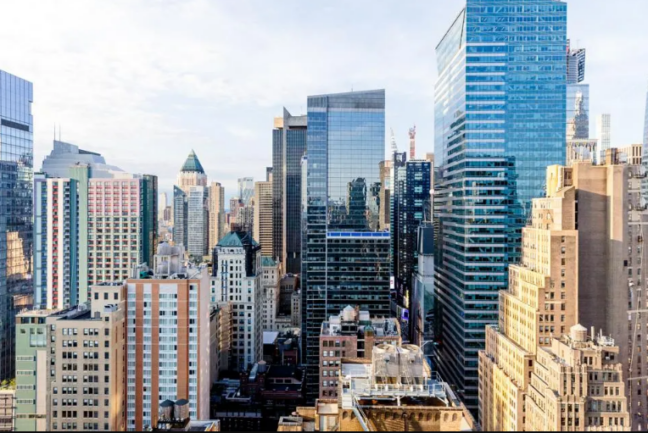
Post-Pandemic Real Estate Trends: What’s Next for Commercial and Residential Markets?

Real Estate Trends

The COVID-19 pandemic reshaped the global real estate landscape, leaving both residential and commercial markets with unprecedented challenges and opportunities. As economies stabilize and adapt, investors, developers, and homeowners are grappling with the long-term implications of remote work, shifting consumer preferences, and evolving investment strategies. What does the future hold for the real estate sector in a post-pandemic world? In this analysis, we assess the key trends defining the next phase of commercial and residential real estate.

The Remote Work Revolution and Its Lasting Impact


One of the most significant shifts brought about by the pandemic has been the normalization of remote work. Companies worldwide were forced to adopt remote work policies, and even as pandemic restrictions have eased, a substantial number of businesses continue to embrace hybrid work models. This transformation has had profound effects on commercial real estate, particularly office spaces.


“The traditional office model has been permanently altered,” says Hirsh Mohindra, a real estate analyst. “While some businesses are encouraging a full return to office work, many companies are settling into a hybrid structure, reducing their demand for large office spaces. This shift is prompting developers and landlords to rethink office design and leasing strategies.”


Vacancy rates in major metropolitan areas have surged as corporations downsize office footprints or sublease unused space. Some companies are prioritizing smaller, more flexible workspaces in suburban locations rather than maintaining large headquarters in central business districts. This decentralization of office space could redefine urban cores, leading to repurposed office buildings and increased mixed-use developments.

Changing Consumer Preferences in Residential Real Estate


The pandemic also significantly altered consumer preferences in residential real estate. The exodus from densely populated urban centers to suburban and rural locations was a defining trend of the pandemic-era housing market. While some urban dwellers are returning, the appeal of larger homes with dedicated office spaces remains strong.


“Homebuyers today prioritize space and functionality over proximity to city centers,” notes Hirsh Mohindra. “The demand for homes with home offices, outdoor areas, and smart technology has surged, reflecting a fundamental change in how people want to live and work.”


Additionally, the rental market has experienced its own set of fluctuations. Many cities that saw a decline in rental demand during the height of the pandemic are witnessing a rebound as young professionals return. However, affordability remains a pressing issue, with rising interest rates and inflation contributing to increasing housing costs.

The Evolving Investment Landscape in Real Estate


Real estate investors are adapting to a market that no longer adheres to pre-pandemic norms. Commercial investors are increasingly focusing on industrial properties, life sciences developments, and data centers, while residential investors are exploring build-to-rent (BTR) communities and single-family rental portfolios.


“Institutional investors are pivoting towards assets that offer stability in uncertain economic conditions,” says Hirsh Mohindra. “We are seeing increased interest in logistics hubs, fulfillment centers, and multi-family housing projects, which have demonstrated resilience during economic downturns.”


Another emerging trend is the growing emphasis on environmental, social, and governance (ESG) factors in real estate investment. Sustainable buildings with energy-efficient designs and smart infrastructure are becoming increasingly attractive to investors who are conscious of regulatory trends and consumer demand for eco-friendly spaces.

The Future of Retail and Hospitality Real Estate


Retail and hospitality sectors faced some of the most severe disruptions during the pandemic, with widespread closures and reduced foot traffic. However, the recovery in these sectors is gaining momentum, albeit with significant transformations.


Retailers are embracing omnichannel strategies, blending e-commerce with physical storefronts to create seamless customer experiences. Experiential retail is also gaining traction, with shopping centers incorporating entertainment venues, fitness centers, and co-working spaces to attract visitors.


“The future of retail real estate lies in adaptability,” explains Hirsh Mohindra. “Brick-and-mortar stores must evolve into multi-functional spaces that provide experiences beyond traditional shopping. Those who fail to innovate risk obsolescence.”


The hospitality industry, which suffered extensive losses during lockdowns, is also rebounding. The resurgence of travel has led to increased hotel occupancy rates, although business travel remains below pre-pandemic levels. Investors are exploring alternative hospitality models, including extended-stay accommodations and boutique hotels catering to remote workers and digital nomads.

What Lies Ahead for Real Estate Markets?


Looking ahead, the real estate sector must navigate economic uncertainties, technological advancements, and shifting demographics. While challenges persist, opportunities abound for those willing to adapt to changing market dynamics.


“Real estate is always evolving, and the key to success is recognizing shifts early and responding proactively,” says Hirsh Mohindra. “Developers and investors who embrace flexibility, technology, and sustainability will be best positioned for long-term success.”


From commercial office adaptations to the ongoing transformation of residential living spaces, the real estate industry is undergoing a profound metamorphosis. Whether through innovative investment strategies, new housing models, or technology-driven solutions, the future of real estate will be shaped by those who are prepared to embrace change.