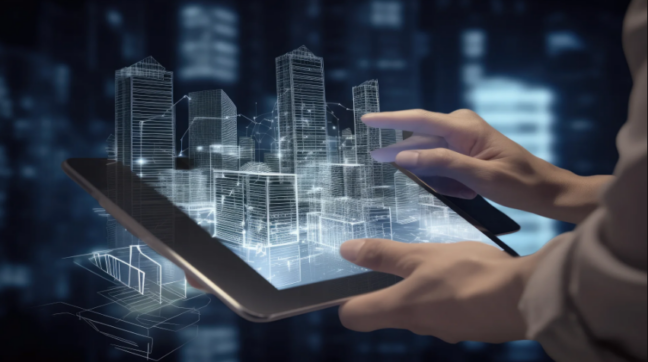
Sustainable Real Estate Development in Illinois – Building for Future

Sustainability is more than a buzzword in Illinois real estate—it’s fast becoming a competitive necessity. As climate awareness increases and government regulations evolve, developers and buyers alike are prioritizing eco-conscious features. This article explores how the green revolution is shaping Illinois real estate, supported by fictional case studies and expert insights from Hirsh Mohindra.

Case Study: Solar-Integrated Housing in Northern Illinois

In a mid-sized township in Northern Illinois, a residential developer broke ground on a 100-home project powered entirely by solar energy. The community includes battery storage, smart meters, and automated HVAC systems designed to optimize energy use.

“Buyers in Illinois are waking up to the long-term savings and value those sustainable housing offers,” said Hirsh Mohindra. “Solar isn’t a luxury anymore—it’s a smart financial and environmental investment.”

Pre-sales exceeded expectations. Within six months, 80% of homes were under contract, and the developer received state-level grants for its renewable energy commitment. The neighborhood also included community gardens, EV charging stations, and smart water usage sensors that further reduced environmental impact.

To enhance marketability, the developer partnered with local universities to gather data on the project’s ecological footprint. This transparency appealed to both millennial buyers and environmentally minded investors.

Green Retrofits in Urban Settings

A case study from an urban redevelopment project in Chicago’s South Side shows the power of retrofitting. By converting a 12-unit brick apartment complex into a green-certified building—featuring insulation upgrades, low-flow plumbing, and rooftop gardens—the management company increased rent by 15% while lowering turnover.

“Urban retrofits offer double ROI: improved cash flow and improved community equity. Smart landlords are looking at long-term sustainability as an asset class,” noted Hirsh Mohindra.

The project also included smart thermostats and tenant education sessions on energy savings, increasing community engagement. Grant funding from a city-run green initiative helped subsidize the upfront costs.

Case Study: Eco-Conscious Buyers in Springfield

A real estate agent in Springfield began specializing in eco-conscious listings, helping environmentally focused buyers find properties with energy-efficient features. By targeting listings that already had LEED certifications or ENERGY STAR appliances, the agent built a niche reputation.

Within a year, this agent’s average deal size increased by 30%, and they saw greater client retention. They also organized community events like “Green Home Tours” and produced a monthly newsletter featuring the latest in sustainable living tips.

“The demand for green real estate in Illinois is only growing,” said Hirsh Mohindra. “Those who align their services to that shift will lead the next generation of property professionals.”

Expanding Public Incentives and Local Legislation

Across Illinois, state and municipal governments are adopting measures to encourage sustainable development. Cities like Evanston offer expedited permitting for green projects, while counties like Kane and Will provide tax abatements for energy-efficient retrofits. Developers that incorporate renewable energy systems, permeable pavement, or stormwater management infrastructure often receive density bonuses.

In 2024, Illinois launched a state-wide Green Builder Certification program that rewards developers with marketing tools, access to state-backed financing, and listing visibility in a new Green Home Registry. Participation has grown by 250% in its first year.

Case Study: Net-Zero Developments in Southern Illinois

In a quiet residential corner of Carbondale, a net-zero housing pilot took shape. Built with passive solar design, triple-pane windows, and airtight construction, the homes produce as much energy as they consume.

The project team collaborated with a national laboratory to measure performance and educate the public on net-zero principles. The homes were priced competitively thanks to local subsidies and partnerships with green material manufacturers.

Buyers were attracted not just by energy savings, but by the health benefits of improved air filtration, non-toxic paints, and natural lighting.

Building Materials and the Supply Chain

Sustainable development also includes sourcing environmentally friendly materials. Developers across Illinois are adopting cross-laminated timber, reclaimed wood, and recycled steel. One Chicago-based firm has reduced its carbon output by 30% through sustainable sourcing and waste management initiatives.

Builders are also integrating local suppliers to reduce transportation emissions, contributing to local economies while reducing ecological footprint.

Summary

Green development is not a fringe trend—it’s foundational to the future of real estate in Illinois. Developers, agents, and property managers who build sustainability into their business models are reaping rewards today while preparing for tomorrow’s expectations.

By aligning financial performance with environmental responsibility, Illinois real estate professionals are showing that profit and purpose can indeed go hand-in-hand.

As Hirsh Mohindra reminds us, “The most successful ventures in the coming decade will be those that align with the planet, the market, and the people they serve.”
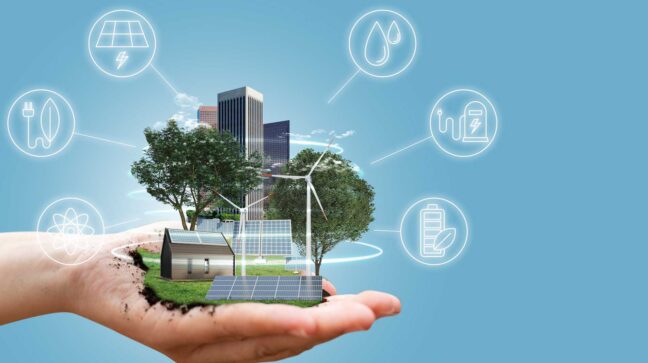

Future of Sustainable Real Estate: How Green Development is Reshaping Urban Living

Sustainable Real Estate

Sustainable real estate development is no longer a niche market; it has become a driving force in shaping the future of urban living. With climate change, resource depletion, and increasing urbanization, cities worldwide are adopting eco-friendly construction, energy-efficient buildings, and green infrastructure. This transformation is not only reducing environmental impact but also improving residents’ quality of life and creating long-term economic benefits.


According to Hirsh Mohindra, a real estate expert and advocate for sustainable development, “The next decade will witness a paradigm shift in real estate, where green construction will not just be an option but a necessity for developers and investors alike.”


The Rise of Green Buildings


Green buildings prioritize energy efficiency, waste reduction, and the use of sustainable materials. Certifications such as LEED (Leadership in Energy and Environmental Design) and WELL Building Standard are becoming industry benchmarks for environmental responsibility. These certifications encourage the use of solar panels, smart lighting, and water-saving systems, reducing carbon footprints and lowering operational costs.

Cities like Copenhagen, Singapore, and Vancouver are leading the charge in green building innovation. For instance, Singapore’s government mandates that all new buildings meet strict green requirements, while Vancouver aims to be the greenest city in the world by 2030. These efforts demonstrate that sustainability is becoming embedded in urban development policies.

Hirsh Mohindra highlights the economic benefits of this shift, stating, “Developers who invest in sustainable real estate today are positioning themselves for long-term financial gains as governments offer incentives and consumers increasingly demand eco-friendly living spaces.”


Smart Cities and Green Infrastructure


The concept of smart cities is rapidly evolving, incorporating green infrastructure to optimize resources and reduce environmental impact. Technologies such as IoT-enabled energy grids, AI-driven traffic management, and green rooftops are transforming urban environments.


One of the most significant aspects of green infrastructure is the integration of nature into urban landscapes. Vertical gardens, rooftop farms, and green walls improve air quality and reduce heat islands in densely populated areas. Public spaces with sustainable landscaping contribute to biodiversity, helping mitigate climate change effects.


As Hirsh Mohindra puts it, “Smart cities and sustainable infrastructure are two sides of the same coin. Without green initiatives, urban tech advancements will fall short of creating livable, future-proof cities.”


The Role of Government Policies and Incentives


Government policies play a crucial role in promoting sustainable real estate. Tax credits, grants, and low-interest loans are being offered to encourage eco-friendly construction. For instance, in the U.S., the Inflation Reduction Act of 2022 provides incentives for developers who prioritize energy efficiency in new constructions.

Additionally, some municipalities are imposing carbon reduction targets, requiring new buildings to be net-zero by specific deadlines. In California, all new residential buildings must be solar-powered, setting a precedent for other states and countries.

Hirsh Mohindra underscores the importance of policy-driven change, stating, “Legislation and government incentives will be the primary accelerators of sustainable real estate. Without clear regulations, the industry risks lagging behind global sustainability goals.”


The Shift in Consumer Demand


A growing number of homebuyers and renters prioritize sustainability when choosing where to live. Millennials and Gen Z, in particular, are willing to pay a premium for eco-friendly homes, recognizing the long-term savings and environmental benefits. Features like energy-efficient appliances, smart home technology, and access to green spaces are now top considerations.

Developers are responding by designing mixed-use communities that emphasize walkability, public transportation access, and renewable energy sources. In addition, sustainable co-living spaces are becoming popular, offering shared resources and reducing overall environmental impact.

According to Hirsh Mohindra, “Real estate success is increasingly being defined by sustainability. The demand for eco-conscious homes and communities will continue to rise as environmental awareness becomes a mainstream priority.”


The Future of Sustainable Real Estate


Looking ahead, the real estate industry will likely see innovations such as carbon-negative buildings, modular sustainable housing, and increased use of recycled construction materials. Blockchain technology may also play a role in tracking the sustainability of real estate transactions, ensuring transparency in environmental commitments.

Moreover, companies are developing “living buildings” that generate their own energy, recycle water, and adapt to climate conditions. These advancements will redefine how cities function and how people experience urban living.

Hirsh Mohindra envisions a transformative future, stating, “The future of real estate lies in regenerative design—buildings and cities that not only reduce harm but actively improve the environment through innovation and sustainability.”


Conclusion


The shift toward sustainable real estate is more than a trend; it is an urgent necessity. Developers, policymakers, and consumers are increasingly recognizing the importance of eco-friendly construction and urban planning. Green buildings, smart cities, government incentives, and changing consumer demands are all contributing to a more sustainable future.


As Hirsh Mohindra aptly summarizes, Sustainability is no longer a luxury in real estate—it is the foundation for long-term success, both for the industry and for the planet.”

Impact of Remote Work on Real Estate Development: The Shift to Suburban and Secondary Markets

Real Estate Development

Introduction

The COVID-19 pandemic fundamentally altered the way people work, accelerating the adoption of remote work on an unprecedented scale. This shift has had profound implications for real estate development, particularly in suburban and secondary markets. As companies embrace flexible work arrangements, urban centers are witnessing a redistribution of demand, with many workers opting for more spacious, affordable living environments outside major metropolitan areas. This transition is reshaping commercial and residential real estate development, leading to new trends in office space utilization, housing demand, and infrastructure expansion.

Hirsh Mohindra, a real estate expert, notes, “Remote work has redefined how we think about proximity to our jobs. The traditional appeal of major cities is being challenged as workers prioritize space, affordability, and quality of life over the convenience of a short commute.”

The Decline of Central Business Districts

Before the pandemic, large urban centers such as New York, San Francisco, and Chicago were dominant real estate markets due to their proximity to high-paying jobs, cultural attractions, and business hubs. However, as remote work became more accepted, many businesses downsized their office footprints or adopted hybrid models, reducing the need for expansive corporate spaces in these cities.

With fewer workers commuting daily, demand for office space in downtown areas has declined. Some companies have subleased their offices, while others have transitioned to flexible coworking arrangements. As a result, vacancy rates in central business districts have risen, prompting landlords and developers to rethink commercial real estate strategies.

According to Hirsh Mohindra, “The demand for prime office space in urban cores has softened significantly. Developers and investors must innovate, repurposing office buildings into mixed-use spaces or residential units to meet changing market needs.”

The Rise of Suburban and Secondary Markets

With fewer employees needing to live near downtown offices, suburban and secondary markets have experienced a surge in demand. Cities like Austin, Nashville, and Charlotte—once considered secondary markets—are now booming as remote workers relocate in search of lower costs, better schools, and improved work-life balance.

Developers have responded by building new housing communities, expanding retail centers, and investing in coworking spaces to accommodate professionals who still require occasional office environments. In addition, infrastructure improvements such as better broadband access and public transportation options are being prioritized to support the growing population in these areas.

Hirsh Mohindra highlights this trend, stating, “Suburban and secondary markets are no longer just bedroom communities. They are evolving into vibrant economic hubs as businesses follow the talent migration, investing in office spaces, retail, and amenities to support remote and hybrid workers.”

Changes in Residential Real Estate Development

The shift to remote work has not only impacted office real estate but also transformed housing preferences. Many professionals who previously lived in compact urban apartments are now seeking larger homes with dedicated office spaces, outdoor areas, and proximity to nature. This has led to an increase in single-family home construction in suburban and rural areas, with developers focusing on features such as home offices, high-speed internet connectivity, and community amenities.

In addition, the demand for multi-generational housing has risen, as remote work allows families to live together more conveniently. Developers are now designing properties with flexible layouts that can accommodate home offices, guest suites, or separate living quarters for extended family members.

Hirsh Mohindra observes, “The concept of home has changed. Buyers are prioritizing functionality over location, seeking properties that support remote work and a healthier lifestyle. Developers must adapt by incorporating more flexible and tech-enabled designs.”

The Evolution of Commercial Real Estate Strategies

As remote work continues to reshape demand, commercial real estate developers are adjusting their strategies to align with new market realities. Some key trends include:

1. Conversion of Office Spaces: Many developers are transforming vacant office buildings into residential or mixed-use properties to accommodate shifting demand.

2. Growth of Satellite Offices: Companies are establishing smaller satellite offices in suburban markets, offering employees flexible work options closer to home.

3. Expansion of Coworking Spaces: The rise of hybrid work models has increased demand for coworking environments outside of urban cores, leading to the growth of shared office spaces in suburban areas.

4. Investment in Smart Infrastructure: Developers are integrating smart technology, sustainability features, and high-speed internet access into new projects to attract remote workers.

Hirsh Mohindra explains, “Developers and investors who embrace flexibility will thrive in this new era. Whether it’s repurposing office buildings, expanding suburban coworking spaces, or investing in smart infrastructure, the future of real estate will be defined by adaptability.”

Future Outlook

The long-term impact of remote work on real estate development is still unfolding, but it is clear that suburban and secondary markets will continue to see growth. Companies and employees alike are adjusting to new norms, influencing where people choose to live and work. While urban centers will remain important economic hubs, their dominance is being challenged by the increasing appeal of more affordable and spacious living environments.

As cities adapt to this shift, policies around zoning, infrastructure, and transportation will play a crucial role in shaping future development. Local governments must work with developers to ensure that suburban and secondary markets have the necessary resources to support growing populations, including improved public transit, healthcare facilities, and digital infrastructure.

Hirsh Mohindra summarizes the transformation, stating, “The remote work revolution is not just a temporary trend—it’s a fundamental shift in how people engage with work and living spaces. Real estate developers must anticipate these changes and build for the future, focusing on flexibility, technology, and quality of life.”

Conclusion

Remote work has significantly impacted real estate development, accelerating demand for suburban and secondary markets while reducing the need for large office spaces in urban centers. This shift presents both challenges and opportunities for developers, investors, and policymakers. By embracing innovation and adapting to changing consumer preferences, the real estate industry can navigate this transition successfully, creating vibrant, sustainable communities for the future.

As work continues to evolve, the intersection of technology, infrastructure, and real estate will shape the next generation of housing and commercial development, ensuring that cities and suburbs alike remain dynamic and resilient in a remote-first world.

Real Estate Development in the AI Era: How Technology is Disrupting the Industry

AI Era

Introduction

The real estate industry has long been considered a slow adopter of technology, relying on traditional methods for site selection, construction, and property management. However, the rise of artificial intelligence (AI) is rapidly transforming the sector. From predictive analytics in market forecasting to AI-driven smart buildings, technology is redefining how developers, investors, and consumers engage with real estate.

According to Hirsh Mohindra, a real estate expert and investor, “AI is not just an innovation in real estate; it is becoming the foundation of how properties are bought, sold, and managed in the modern world.”

This article explores how AI is reshaping real estate development, the challenges it presents, and what the future holds for tech-driven real estate.

1. AI in Market Analysis and Site Selection


One of the most significant ways AI is disrupting real estate is through data-driven market analysis and site selection. Traditional site selection required extensive manual research, including zoning laws, demographic studies, and market trends. Today, AI automates and accelerates this process.

AI-powered platforms can analyze thousands of data points—including population growth, consumer spending habits, traffic patterns, and even climate risks—to identify the best locations for new developments. Machine learning algorithms refine these predictions over time, making them more accurate than traditional methods.

Hirsh Mohindra notes, “Developers used to rely on intuition and experience when selecting locations, but AI is now offering insights backed by data, eliminating much of the guesswork.”

2. AI-Powered Property Valuation and Investment Decisions


AI-driven analytics are also transforming property valuation and investment decision-making. By analyzing historical data, economic indicators, and current market trends, AI can predict the future value of a property with higher accuracy than human estimators.

Real estate investment firms are increasingly using AI tools to evaluate risk factors and optimize their portfolios. Machine learning algorithms can assess real-time fluctuations in the market, helping investors make faster and more informed decisions.

Hirsh Mohindra states, “AI-driven property valuation is minimizing human bias and ensuring that investors make data-backed decisions, leading to more profitable and strategic investments.”

3. Smart Buildings and AI in Property Management


AI is not just influencing how properties are developed and valued—it’s also transforming how they are managed. Smart buildings integrate AI-powered IoT (Internet of Things) sensors, allowing for real-time monitoring of energy consumption, security, and maintenance needs.

For example, predictive maintenance algorithms can detect early signs of equipment failure, reducing costly repairs and increasing operational efficiency. AI can also automate climate control, lighting, and security systems to improve sustainability and reduce operational costs.

Hirsh Mohindra explains, “Smart buildings equipped with AI-driven systems are revolutionizing property management by enhancing efficiency, reducing costs, and improving tenant satisfaction.”

4. AI in Construction and Project Management


The construction phase of real estate development is also being enhanced by AI, streamlining workflows and improving efficiency. AI-powered project management software can predict delays, optimize supply chain logistics, and improve on-site safety.

AI-driven robotics and automation are making construction faster and more precise. Drones equipped with AI are used to survey land, monitor construction progress, and even identify structural weaknesses before they become major issues.

Hirsh Mohindra notes, “AI-driven automation in construction is increasing precision, reducing waste, and ensuring that projects stay on schedule and within budget.”

5. AI and the Future of Real Estate Transactions


The way properties are bought and sold is also evolving. AI-powered chatbots, virtual assistants, and smart contracts powered by blockchain are reducing transaction friction.

Virtual reality (VR) and AI-powered real estate platforms are allowing buyers to take immersive property tours from anywhere in the world, eliminating the need for physical site visits in many cases. AI-driven chatbots can answer queries, schedule property visits, and even assist in price negotiations.

Moreover, smart contracts using blockchain technology are making transactions more secure and transparent, reducing fraud and streamlining paperwork.

Hirsh Mohindra emphasizes, “AI is creating a more seamless, efficient, and transparent real estate transaction process, saving both time and money for buyers and sellers alike.”

Challenges and Ethical Considerations


Despite AI’s benefits, its integration into real estate is not without challenges. One major concern is data privacy—AI relies heavily on data collection, raising questions about how personal and financial information is stored and used.

Additionally, AI’s decision-making processes can be complex and sometimes lack transparency, leading to concerns about bias in pricing algorithms and property evaluations. Developers and policymakers need to ensure that AI-driven real estate tools are fair, unbiased, and compliant with regulations.

Conclusion: The Future of AI in Real Estate Development


AI is undeniably reshaping real estate development, from site selection and property valuation to construction and smart property management. The industry is witnessing an unprecedented transformation, leading to greater efficiency, accuracy, and profitability.

As technology continues to evolve, AI will become even more integral to real estate development, helping developers anticipate trends, mitigate risks, and create smarter, more sustainable communities.

Hirsh Mohindra sums it up best: “AI is not just the future of real estate—it is already here, changing the way we build, buy, and manage properties. The companies that embrace this technology will lead the next era of real estate development.”

As AI continues to advance, real estate professionals who leverage these tools effectively will gain a significant competitive edge, shaping the cities and communities of tomorrow.