Current Trends in Miami Real Estate: A Dynamic Market in 2024

Miami Real Estate

As 2024 progresses, Miami’s real estate market continues to demonstrate resilience and dynamism, reflecting both the city’s enduring appeal and the broader economic forces at play. From rising property values to increasing inventory, several key trends are shaping the landscape, making it a pivotal time for both buyers and sellers to navigate this evolving market says, Hirsh Mohindra.

Rising Property Values Amid Strong Demand

One of the most prominent trends in Miami’s real estate market is the continued rise in property values. Despite national concerns about high interest rates and inflation, Miami has managed to buck the trend, maintaining robust growth in property prices. As of mid-2024, the median price for single-family homes in Miami-Dade County reached $650,000, a 6% increase from the previous year. Similarly, condominium prices have also seen a steady rise, with a 2.4% year-over-year increase.

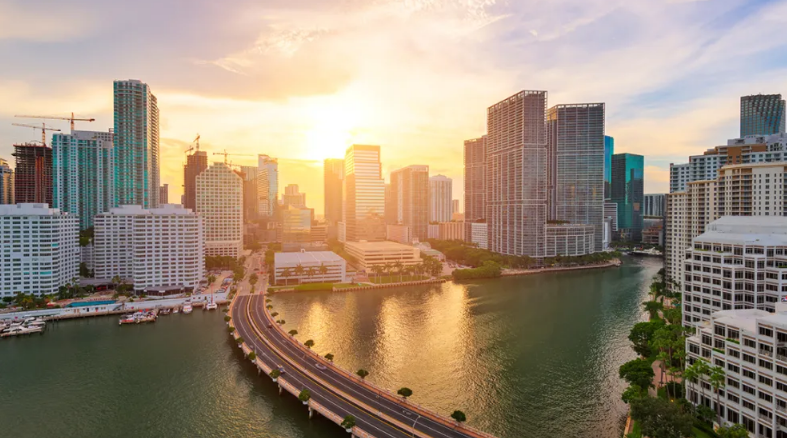
This consistent appreciation in property values is driven by several factors, including Miami’s status as a desirable destination for both domestic and international buyers. The city’s appeal is further enhanced by the influx of new developments, particularly in high-demand neighborhoods like Brickell and Downtown Miami. These areas continue to attract a diverse mix of industries, including finance, tech, and legal sectors, which bolster the local economy and create a stable real estate market.

Inventory Trends and Market Dynamics


Interestingly, while property values continue to rise, Miami has also seen a significant increase in inventory levels, particularly in the condominium market. As of May 2024, the total active listings in Miami increased by 43.7% year-over-year, with a notable 49.8% rise in condominium inventory. This increase in available properties provides more options for buyers, particularly in the high-end market, where luxury homes and condos are in high demand.

However, this surge in inventory does not necessarily indicate a buyer’s market. While there are more properties available, the competition remains stiff, especially for lower-priced homes and luxury condos. The high demand continues to drive quick sales, often at or above the asking price, particularly in desirable neighborhoods and new developments.

The Impact of New Developments


Miami’s skyline is undergoing a transformation, with several new high-rise apartments and mixed-use developments in progress. Projects like the Miami Riverbridge and Wynwood Plaza are set to add thousands of new residential units, further intensifying the competition in the housing market. These developments not only cater to the growing population but also attract investors looking to capitalize on Miami’s booming real estate market.


Moreover, the focus on luxury living is evident in exclusive areas like Star Island, where oceanfront villas are among the most coveted properties. The limited availability and prime location of these properties continue to drive up prices, reinforcing Miami’s reputation as a luxury real estate hub.

Expert Insights: Hirsh Mohindra on Miami’s Real Estate Market


Hirsh Mohindra, a seasoned real estate expert, provides valuable insights into Miami’s current market dynamics. He notes, “Miami’s real estate market is a testament to the city’s resilience and its ability to adapt to economic shifts. The steady rise in property values, even amid global economic uncertainties, highlights the city’s strong demand and the attractiveness of its real estate.”

Mohindra also points out the significance of inventory trends: “While the increase in inventory might suggest a cooling market, the reality is quite the opposite. The demand for Miami real estate, particularly in high-end segments, continues to outpace supply, ensuring that prices remain on an upward trajectory.”

Finally, Mohindra emphasizes the importance of new developments in shaping the market: “The ongoing construction of high-rise apartments and luxury condos is a clear indicator of Miami’s growth potential. These projects are not just about meeting current demand; they are about anticipating and accommodating the city’s future expansion.”

Conclusion


Hirsh Mohindra: The Miami real estate market in 2024 is characterized by its resilience, strong demand, and continuous price appreciation, despite broader economic challenges. For potential buyers, the expanding inventory provides more opportunities, particularly in the luxury segment. However, the competitive nature of the market means that acting swiftly is crucial. For sellers, the rising property values present an opportune moment to capitalize on the market’s strength.

When Do You Need a Real Estate Agent?

Real Estate Agent - Hirsh Mohindra

Navigating the real estate market can be complex and daunting, especially in a bustling city like Chicago. Here are key situations when hiring a real estate agent is beneficial says, Hirsh Mohindra:


  1. First-Time Home Buyers:

If you’re new to the home buying process, a real estate agent can guide you through each step, from understanding market trends to finalizing the purchase.

2. Selling Your Home:

A real estate agent can help you set the right price, market your property effectively, and negotiate with potential buyers to get the best deal.

3. Relocating to Chicago:

If you’re moving to Chicago from another city or state, a local real estate agent can provide valuable insights into different neighborhoods and help you find a home that meets your needs.

4. Navigating Competitive Markets:

In hot markets where homes sell quickly, having an agent can give you an edge. They can provide access to listings before they hit the market and help you make competitive offers.

5. Negotiating Complex Transactions:

Whether you’re buying or selling, negotiations can be tricky. A real estate agent has the expertise to handle negotiations, ensuring you get the best possible terms.

6. Handling Paperwork and Legalities:

Real estate transactions involve a lot of paperwork and legal requirements. An agent can manage this for you, ensuring everything is completed correctly and on time.

How to Find a Real Estate Agent in Chicago

Finding the right real estate agent in Chicago involves some research and consideration. Here are steps to help you find a trustworthy and effective agent:

  1. Ask for Recommendations:

Start by asking friends, family, and colleagues if they have any recommendations. Personal referrals can provide insights into an agent’s reliability and performance.

2. Search Online:

Use online platforms like Zillow, Realtor.com, and Redfin to find agents in Chicago. These sites often feature reviews and ratings from past clients.

3. Check Local Real Estate Offices:

Visit local real estate offices in the neighborhoods you’re interested in. Talking to agents in person can give you a sense of their knowledge and professionalism.

4. Attend Open Houses:

Open houses are great opportunities to meet agents and see how they interact with potential buyers. This can help you gauge their style and expertise.

5. Look for Specialized Experience:

If you have specific needs, such as buying a historic home or investing in rental properties, look for agents who specialize in those areas.

6. Interview Multiple Agents:

Don’t settle for the first agent you meet. Interview multiple agents to compare their experience, knowledge, and approach. Ask about their familiarity with the Chicago market, their availability, and how they plan to help you achieve your goals.

7. Check Credentials and Licenses:

Ensure the agent is licensed and has no disciplinary actions against them. You can check their credentials on the Illinois Department of Financial and Professional Regulation’s website.

8. Review Their Track Record:

Ask for references from past clients and look at the agent’s recent sales history. An agent with a strong track record of successful transactions is likely to be a good choice.

Questions to Ask a Potential Real Estate Agent

When interviewing potential agents, consider asking the following questions:

  1. How long have you been a real estate agent?
  2. How well do you know the neighborhoods I’m interested in?
  3. Can you provide references from past clients?
  4. How will you market my home (if selling)?
  5. What is your approach to helping buyers find the right home?
  6. How do you handle negotiations?
  7. What are your fees and commission rates?
  8. How do you stay updated on market trends?

Hirsh Mohindra: Hiring a real estate agent can significantly ease the process of buying or selling a home, especially in a vibrant city like Chicago. By understanding when to seek professional help and knowing how to find a qualified agent, you can make your real estate experience smoother and more successful. Take the time to research and interview potential agents to find the right fit for your needs.


Chicago’s Retail Renaissance: A Journey Through the City’s Dynamic Real Estate Market

Dynamic Real Estate Market

In the bustling urban landscape of Chicago, the retail sector serves as a vibrant reflection of the city’s diverse culture, commerce, and community spirit. As the retail landscape evolves in response to changing consumer preferences, economic trends, and technological advancements, real estate investors and developers are faced with both challenges and opportunities. In this article, we’ll explore the dynamic retail market in Chicago, uncovering key trends, investment strategies, and insights for navigating this ever-changing terrain says, Hirsh Mohindra.

The Retail Renaissance:


  1. Despite challenges such as e-commerce competition and shifting consumer behavior, Chicago’s retail market is experiencing a renaissance driven by innovation, adaptation, and resilience. From iconic shopping districts like the Magnificent Mile and State Street to eclectic neighborhood boutiques and experiential retail destinations, Chicago offers a diverse array of retail experiences that cater to a wide range of tastes and preferences. As the city continues to grow and evolve, retail spaces play a vital role in shaping the urban fabric and fostering community engagement.


Emerging Trends in Retail Real Estate:


  1. The retail real estate landscape in Chicago is characterized by several emerging trends that reflect changing consumer preferences and market dynamics. One notable trend is the rise of experiential retail, where retailers create immersive, interactive shopping environments that offer more than just products—they offer memorable experiences. From pop-up shops and themed events to food halls and entertainment venues, experiential retail concepts are reshaping the retail landscape and driving foot traffic to brick-and-mortar stores.


Investment Strategies for Retail Real Estate:


  1. For real estate investors and developers, retail properties in Chicago present a unique set of opportunities and challenges. To succeed in this dynamic market, investors must adopt strategic investment approaches that align with evolving consumer preferences and market trends. One strategy is to focus on mixed-use developments that integrate retail spaces with residential, office, and entertainment components, creating vibrant, walkable communities that cater to modern lifestyles. Additionally, investing in neighborhood revitalization projects and adaptive reuse initiatives can unlock value in overlooked or underutilized retail properties, breathing new life into urban neighborhoods and enhancing their appeal to residents and visitors alike.

Technology and Innovation:


  1. Hirsh Mohindra: In an era of digital disruption, technology and innovation play a pivotal role in shaping the future of retail real estate in Chicago. From mobile commerce and augmented reality to data analytics and personalized marketing, retailers and landlords are leveraging technology to enhance the customer experience, optimize operations, and drive sales. Additionally, emerging technologies such as smart sensors, AI-driven analytics, and contactless payment systems are revolutionizing the way retail spaces are designed, managed, and utilized, creating more efficient, sustainable, and resilient environments for retailers and consumers alike.


Community Engagement and Sustainability:


  1. As Chicago’s retail landscape continues to evolve, community engagement and sustainability are becoming increasingly important considerations for real estate investors and developers. Retail properties that actively engage with local communities, support small businesses, and promote sustainability initiatives are more likely to succeed in today’s competitive market. Whether through community events, partnerships with local nonprofits, or environmentally friendly design features, retail real estate projects that prioritize social responsibility and environmental stewardship can create long-term value for both investors and the communities they serve.


Hirsh Mohindra: As the retail market in Chicago undergoes rapid transformation, real estate investors and developers must remain agile, innovative, and attuned to evolving consumer preferences and market trends. By embracing experiential retail concepts, adopting strategic investment strategies, leveraging technology and innovation, and prioritizing community engagement and sustainability, stakeholders can navigate the dynamic retail landscape with confidence and unlock the full potential of retail real estate in the Windy City. With its rich history, diverse culture, and entrepreneurial spirit, Chicago offers endless opportunities for retail innovation and growth, making it an exciting and dynamic market for real estate investment and development.

Evolving Landscape of Healthcare Real Estate in Chicago

Healthcare Real Estate

Nestled within the vibrant tapestry of the Windy City lies a dynamic healthcare landscape, driven by innovation, diversity, and a commitment to improving patient care. As Chicago continues to solidify its position as a leading hub for healthcare excellence, the demand for state-of-the-art medical facilities and innovative healthcare spaces is on the rise. In this comprehensive exploration, we’ll delve into the evolving landscape of healthcare real estate in Chicago, uncovering the trends, challenges, and opportunities that shape the future of medical infrastructure in the city says, Hirsh Mohindra.


A Growing Demand for Healthcare Services:


  1. Chicago’s sprawling metropolis, home to a diverse population spanning all walks of life, is marked by a robust demand for comprehensive healthcare services. From routine check-ups to specialized treatments, residents rely on an extensive network of healthcare providers to meet their medical needs. With an aging population and evolving healthcare needs, the demand for modern, accessible healthcare facilities continues to escalate, driving investment and development across the city.


Trends in Healthcare Real Estate Development:


  1. The landscape of healthcare real estate in Chicago is undergoing a transformative shift, propelled by changing demographics, advances in medical technology, and evolving care delivery models. Traditional hospital campuses are giving way to integrated healthcare campuses, comprising medical offices, outpatient clinics, retail spaces, and wellness amenities. Moreover, there is a growing emphasis on patient-centered design and wellness-focused environments, with developers prioritizing features such as green spaces, fitness centers, and holistic healthcare services. These trends reflect a broader movement towards preventive care, wellness promotion, and community-oriented healthcare delivery.


Investment Opportunities in Healthcare Real Estate:


  1. For investors seeking stable returns and long-term growth potential, healthcare real estate presents an enticing opportunity. Chicago’s robust healthcare infrastructure, coupled with its status as a major economic and cultural center, positions the city as a prime market for healthcare-related investments. From medical office buildings and ambulatory surgery centers to specialty hospitals and senior living facilities, there is a wide spectrum of healthcare assets that investors can consider. With the healthcare sector poised for continued growth, investing in healthcare real estate offers diversification, income stability, and resilience against economic downturns.


Challenges and Considerations:


  1. Despite the promising outlook for healthcare real estate in Chicago, the sector is not without its challenges. Regulatory complexities, reimbursement uncertainties, and evolving healthcare policies can pose risks for investors and developers. Additionally, the COVID-19 pandemic has accelerated trends such as telemedicine and remote work, prompting healthcare providers to reassess their real estate strategies. As such, stakeholders must remain vigilant, staying abreast of industry trends, regulatory changes, and market dynamics to navigate the evolving landscape of healthcare real estate successfully.


The Role of Technology and Innovation:


  1. Technology and innovation are driving forces behind the evolution of healthcare real estate in Chicago. From electronic health records and telemedicine platforms to robotic surgery and AI-driven diagnostics, healthcare providers are leveraging cutting-edge technologies to enhance patient care and improve clinical outcomes. As a result, healthcare real estate developers must design flexible, adaptable spaces that can accommodate the rapidly evolving technological needs of providers and patients alike. Incorporating smart building systems, telehealth infrastructure, and flexible floor plans can future-proof healthcare properties and ensure their relevance in an increasingly digital.


Hirsh Mohindra: As Chicago continues to emerge as a leading center for healthcare innovation and excellence, the demand for modern, patient-centric healthcare facilities will only continue to grow. Healthcare real estate developers and investors have a unique opportunity to contribute to the city’s healthcare ecosystem by creating healing spaces that promote wellness, innovation, and community well-being. By staying attuned to market trends, embracing innovation, and addressing the evolving needs of providers and patients, Chicago’s healthcare real estate sector can play a pivotal role in shaping the future of healthcare delivery in the Windy City and beyond.

Real Estate Investment Mastery

Real Estate Investment

Real estate investment stands as one of the most robust wealth-building strategies available. Whether you’re seeking passive income, long-term appreciation, or portfolio diversification, the real estate market offers abundant opportunities. However, navigating this complex landscape requires meticulous planning, strategic foresight, and a comprehensive understanding of the market dynamics. In this guide, we’ll delve deeper into the intricacies of real estate investment and outline the steps to build a successful and resilient portfolio says, Hirsh Mohindra.

Define Your Investment Objectives:

1. The journey to real estate investment success begins with clarity of purpose. Define your investment objectives with precision. Are you aiming for steady rental income to supplement your cash flow, seeking long-term appreciation to build wealth, or pursuing a combination of both? Understanding your goals will serve as a compass, guiding your investment decisions and shaping your portfolio strategy accordingly.

Assess Your Risk Appetite:

2. Real estate investment encompasses a spectrum of risk levels, ranging from conservative rental properties to speculative development projects. Before diving in, it’s imperative to assess your risk tolerance. Consider factors such as your investment horizon, financial stability, and willingness to weather market volatility. Align your risk appetite with your investment strategy to ensure a harmonious journey towards your financial goals.

Conduct Thorough Market Analysis:

3. Successful real estate investment hinges on sound market analysis. Dive deep into the local and  regional real estate markets, examining key indicators such as property prices, rental yields, vacancy rates, employment trends, and demographic shifts. Identify emerging opportunities and burgeoning neighborhoods with growth potential, laying the groundwork for informed investment decisions.

Choose Your Investment Strategy Wisely:

4. Real estate investment offers a myriad of strategies, each with its unique risk-reward profile. From traditional rental properties and fix-and-flip ventures to real estate investment trusts (REITs) and syndication deals, the options are diverse. Evaluate each strategy meticulously, considering factors such as capital requirements, time commitment, and projected returns. Select the strategy that aligns most closely with your objectives and risk appetite.

Establish Your Budget and Explore Financing Options:

5. Once you’ve identified your investment strategy, it’s time to crunch the numbers. Establish a realistic budget encompassing property acquisition costs, renovation expenses, and ongoing operational expenses. Explore a variety of financing options, from traditional mortgages and government-backed loans to private lenders and creative financing solutions. Opt for the financing structure that optimizes your capital efficiency while minimizing financial risk says, Hirsh Mohindra.

Cultivate a Diversified Portfolio:

6. Diversification lies at the heart of prudent real estate investment. Spread your investment capital across different asset classes, geographical locations, and investment strategies. Consider diversifying into residential, commercial, industrial, and retail properties to mitigate risk and capture diverse revenue streams. A well-diversified portfolio acts as a bulwark against market volatility, ensuring stability and resilience in the face of uncertainty.

Conduct Rigorous Due Diligence:

7. Before committing to any investment opportunity, conduct thorough due diligence. Scrutinize each property’s financials, physical condition, rental potential, and regulatory compliance. Engage with seasoned real estate professionals, inspectors, and property managers to gain valuable insights and identify potential pitfalls. Diligence is the bedrock of successful real estate investment, safeguarding your capital and paving the way for sustainable growth.

Continuously Monitor and Optimize Your Portfolio:

8. Real estate investment is a dynamic endeavor that requires ongoing monitoring and optimization. Keep a close eye on your portfolio’s performance, tracking rental income, expenses, and property valuations. Stay abreast of market trends, economic indicators, and legislative changes that may impact your investments. Remain agile and adaptable, ready to adjust your portfolio strategy to capitalize on emerging opportunities and mitigate evolving risks.

Hirsh Mohindra: Mastering real estate investment is a journey that demands diligence, foresight, and strategic acumen. By defining clear investment objectives, assessing your risk appetite, conducting thorough market analysis, and implementing a diversified portfolio strategy, you can unlock the full potential of real estate as a wealth-building vehicle. Stay disciplined, stay informed, and stay resilient—realizing your financial aspirations in the dynamic world of real estate investment awaits.


Originally Posted: https://vocal.media/journal/real-estate-investment-mastery-building-and-growing-your-portfolio

Comprehensive Analysis on the High Demand in Chicago’s Housing Market

The Chicago housing market in 2024 is marked by intense demand and limited inventory, creating a highly competitive environment for buyers. Various factors, including economic growth, demographic shifts, and rising rental prices, contribute to this heightened demand. This article explores the current state of Chicago’s housing market, the underlying drivers of demand, and future projections say, Hirsh Mohindra.

Current Market Conditions

The Chicago housing market is experiencing a seller’s market, where demand outstrips supply. According to recent reports, homes in Chicago often receive multiple offers, with many properties selling for above the asking price. The average home in Chicago goes pending in just 12 days, reflecting the urgency among buyers to secure properties quickly.

Rising Rental Prices and Homebuyer Surge

One of the primary factors driving high demand in Chicago’s housing market is the significant increase in rental prices. Over the past year, average rents in Chicago have surged by 20.7%, prompting many renters to consider homeownership as a more economical long-term solution​​. This trend is particularly evident in neighborhoods like Oak Park and Lombard, where rental prices have seen substantial increases.

Economic Growth and Job Market


Chicago’s economy, bolstered by diverse industries such as manufacturing, transportation, and financial services, continues to attract a wide array of residents. The city added approximately 200,000 new jobs between 2021 and 2022, outpacing national job growth rates. This robust job market is a critical factor sustaining high housing demand​.


The economic stability in Chicago not only attracts new residents but also encourages existing ones to invest in property. With the unemployment rate falling from 4.4% in December 2022 to 4.1% in March 2023, the city offers a secure environment for homebuyers​.

Demographic Trends and Migration Patterns

Hirsh Mohindra: Demographic trends also play a crucial role in shaping the housing market. Chicago remains a popular destination for both domestic and international migrants. Reports indicate that around 4% of U.S. homebuyers from cities like Denver, Minneapolis, and Detroit are looking to move to Chicago​. Additionally, 84% of current property owners in the Chicago metropolitan area intend to stay, which indicates strong local retention.

The city’s population, though growing at a slower rate than the national average, remains substantial and contributes to the ongoing demand for housing. The appeal of urban amenities, job opportunities, and cultural attractions continues to draw diverse groups to Chicago.

Government Policies and Market Stability


Local government policies, including tax incentives and subsidies, significantly impact the housing market by influencing demand and inventory levels​. Property taxes in Chicago vary by location, affecting housing affordability and market dynamics within different neighborhoods.


Despite the challenges posed by high mortgage rates, which averaged 6.39% for 30-year fixed-rate loans in May 2023, demand remains resilient​​. Higher mortgage rates typically make housing less affordable, but the strong desire to own property in Chicago has kept the market active.


New Construction and Housing Inventory

New construction has been ramping up, particularly in the luxury and suburban markets, to meet the high demand. However, the number of newly built homes still falls short of the required levels to balance the market fully​​. The difficulties in obtaining approvals for new land purchases and construction projects slow down the process, contributing to the ongoing inventory constraints.

Future Projections


Looking forward, the high demand in Chicago’s housing market is expected to continue due to sustained economic growth and demographic trends. Experts predict moderate increases in home values, suggesting that while the market may stabilize slightly, it will remain competitive.


Moderate Price Growth: Home values are expected to appreciate modestly, with projections indicating a potential 0.4% increase over the next year. This suggests a stabilization phase where the market adjusts to the high demand and limited supply​​.


Continued Suburban Shift: The trend towards suburban living, driven by remote work and the search for more space, is likely to persist. This shift will maintain high demand in suburban areas, potentially easing some pressure off urban neighborhoods.


Economic and Policy Factors: The future of Chicago’s housing market will heavily depend on broader economic conditions and local policies. Stability in job growth and effective policy measures will be crucial in sustaining demand and managing inventory levels.


Hirsh Mohindra: The high demand in Chicago’s housing market is driven by a combination of economic stability, rising rental prices, and strong demographic trends. While the market is highly competitive with rapid home sales and multiple offers, new construction and local policies will play pivotal roles in shaping the future landscape. Buyers and investors should remain informed and adaptable to navigate the dynamic market conditions expected to persist throughout 2024.


Housing Inventory in Chicago: Current Trends and Future Outlook

Hirsh Mohindra Housing Inventory

The housing inventory in Chicago has experienced significant fluctuations over the past year, reflecting broader national trends influenced by economic conditions, buyer preferences, and market dynamics. This article delves into the current state of housing inventory in Chicago, the factors influencing it, and the projections for the near future says, Hirsh Mohindra.


Current State of Housing Inventory


As of early 2024, the Chicago housing market is characterized by a relatively low inventory, which is contributing to a competitive environment for buyers. According to recent data, the inventory of homes for sale in the Chicago-Naperville-Elgin area remains tight, with around 19,049 homes listed as of March 2024. This figure includes 7,720 new listings, indicating a steady but constrained flow of available properties​ (Norada Real Estate Investments)​​ (Chicago Agent Magazine)​.


Market Dynamics and Influences


Several factors are influencing the housing inventory in Chicago:


  1. Rising Home Values: Home values in the Chicago metropolitan area have seen a 7.0% increase over the past year, reaching an average value of $313,396. This rise in home values is partly due to the limited supply of homes, which intensifies competition among buyers​ (Norada Real Estate Investments)​.


2. High Demand and Fast Sales: The market is highly competitive, with homes typically going pending within 12 days. This rapid turnover rate underscores the strong demand and the challenges buyers face in securing properties​ (Norada Real Estate Investments)​.


3. New Construction Trends: There has been an uptick in new construction, particularly in luxury and suburban markets. Builders are responding to the low resale inventory by ramping up new developments, which is expected to continue throughout 2024. This increase in new construction is helping to alleviate some pressure from the constrained inventory, though not sufficiently to meet the high demand​ (Chicago Agent Magazine)​.


4. Economic and Policy Factors: Economic conditions, such as mortgage rates and local policies, also play a crucial role. For instance, the potential implementation of a new transfer tax could shift some buyer interest from the city to the suburbs, further affecting the distribution of housing inventory across the region​ (Chicago Agent Magazine)​.

Future Outlook


Looking ahead, the Chicago housing market is expected to continue its trend of low inventory and high demand. However, there are several key projections and considerations:


  1. Moderate Price Increases: While home values are expected to continue rising, the rate of increase may moderate. Projections indicate a potential 0.4% growth in home values over the next year, suggesting that the market may stabilize slightly but remain competitive​ (Norada Real Estate Investments)​.


  1. Shifts in Buyer Preferences: As remote work and hybrid work models persist, there is a growing preference for suburban and lower-density living. This trend is likely to keep the demand high in suburban areas and could lead to further inventory constraints in these regions​ (Chicago Agent Magazine)​.


  1. Continued New Construction: The focus on new construction, particularly in the luxury segment, will remain strong. This is expected to provide some relief to the inventory shortage but may not completely offset the high demand​ (Chicago Agent Magazine)​.


  1. Economic Uncertainties: Economic factors such as interest rates, inflation, and employment rates will continue to influence the housing market. A stable or improving economy could bolster market confidence and demand, while economic downturns could have the opposite effect​ (Chicago Agent Magazine)​.


Hirsh Mohindra: The housing inventory in Chicago is currently characterized by low supply and high demand, leading to competitive market conditions. While new construction and economic factors will influence future trends, the overall outlook suggests continued tight inventory and rising home values. Buyers and sellers alike should stay informed about market conditions and be prepared for a dynamic and competitive environment in the coming year.

Chicago’s Opulent Oasis: A Dive into the Luxury Real Estate Market

Hirsh Mohindra

Chicago, the epitome of urban sophistication and architectural grandeur, boasts a luxury real estate market that rivals the world’s most prestigious cities. From iconic penthouses with panoramic skyline views to historic mansions steeped in opulence, the Windy City offers an array of exclusive properties that cater to the most discerning buyers. In this article, we’ll take a captivating journey through Chicago’s luxury real estate landscape, exploring the breathtaking properties that define the city’s elite living experience says, Hirsh Mohindra.


  1. Magnificent Mile Mansions:


Nestled along the prestigious stretch of Michigan Avenue known as the Magnificent Mile, a collection of historic mansions and luxurious residences exudes timeless elegance and sophistication. These stately homes, many of which date back to the late 19th and early 20th centuries, feature architectural marvels such as grand facades, ornate detailing, and expansive interiors adorned with exquisite craftsmanship.


From the iconic Gold Coast mansions to the elegant residences of Streeterville, these properties offer unparalleled luxury living in the heart of downtown Chicago. With proximity to world-class shopping, dining, and cultural attractions, the Magnificent Mile mansions epitomize the epitome of Chicago’s high society and refined lifestyle.


  1. Sky-High Penthouse Palaces:


For those seeking the ultimate in urban luxury, Chicago’s skyline is punctuated by a collection of exclusive penthouse residences that redefine city living. Perched atop soaring skyscrapers like the Trump International Hotel & Tower and the Vista Tower, these palatial penthouses offer panoramic views of the city skyline and Lake Michigan, creating an awe-inspiring backdrop for contemporary living.


Featuring lavish amenities such as private elevators, expansive terraces, and bespoke finishes, these sky-high sanctuaries cater to the most discerning buyers seeking privacy, prestige, and unparalleled luxury. With access to world-class amenities and personalized concierge services, Chicago’s penthouse residences set the standard for urban opulence and sophistication.


  1. Waterfront Wonders:


Hirsh Mohindra: Chicago’s picturesque waterfront, with its shimmering lakefront vistas and lush green spaces, serves as the backdrop for some of the city’s most coveted luxury real estate. From elegant estates in Lincoln Park to modern marvels in Streeterville, waterfront properties offer a serene oasis amidst the bustling cityscape.


With private docks, waterfront access, and sweeping views of Lake Michigan, these homes provide a rare opportunity to experience waterfront living at its finest. Whether it’s a sprawling mansion nestled along the shores of Lake Shore Drive or a sleek condominium overlooking Navy Pier, Chicago’s waterfront properties offer an unparalleled blend of luxury, tranquility, and natural beauty.


  1. Exclusive Enclaves and Gated Communities:


Beyond the city’s bustling downtown core, Chicago is home to a collection of exclusive enclaves and gated communities that offer privacy, security, and unparalleled luxury. From the prestigious neighborhoods of Lincoln Park and Lakeview to the serene suburbs of Winnetka and Highland Park, these communities provide an idyllic retreat from the hustle and bustle of city life.


Featuring expansive estates, manicured gardens, and resort-style amenities, these gated communities offer a coveted lifestyle characterized by elegance, exclusivity, and sophistication. With access to top-rated schools, country clubs, and recreational facilities, Chicago’s exclusive enclaves provide a sanctuary for affluent buyers seeking the epitome of luxury living.


Hirsh Mohindra: Chicago’s luxury real estate market offers a captivating tapestry of properties that embody the city’s rich history, architectural splendor, and cosmopolitan allure. From historic mansions along the Magnificent Mile to sky-high penthouses with sweeping skyline views, the Windy City’s luxury properties redefine opulence and sophistication for discerning buyers.


Whether it’s waterfront living, urban elegance, or suburban serenity, Chicago’s luxury real estate market presents a diverse array of options to cater to the most discerning tastes and lifestyles. With its blend of timeless charm, modern amenities, and unparalleled beauty, Chicago continues to captivate buyers seeking the ultimate in luxury living.

Unlocking the Potential: Chicago`s Opportunities and Considerations for Real Estate Investing

Hirsh Mohindra

Chicago, with its rich tapestry of neighborhoods, thriving economy, and cultural vibrancy, has long been touted as a lucrative market for real estate investment. Yet, the question remains: Is Chicago truly a city where savvy investors can thrive? In this comprehensive analysis, we’ll delve deeper into the opportunities and considerations surrounding real estate investment in the Windy City says, Hirsh Mohindra.


  1. Robust Market Fundamentals:


At the heart of Chicago’s appeal lies its robust market fundamentals. The city boasts a diversified economy bolstered by sectors such as finance, technology, healthcare, and manufacturing. Its strategic location as a major transportation hub further cements its status as a commercial and cultural epicenter. Additionally, Chicago’s world-class amenities, including renowned museums, theaters, and restaurants, contribute to its allure as a desirable place to live, work, and invest.


  1. Neighborhood Diversity and Property Portfolio:


Chicago’s real estate landscape is as diverse as its population, offering a wide array of neighborhoods and property types to suit every investor’s preferences and objectives. From historic brownstones in Lincoln Park to sleek condominiums in the Loop, the city presents an enticing range of investment opportunities. Whether you’re interested in residential, commercial, or mixed-use properties, Chicago provides ample avenues for diversification and growth.


Moreover, Chicago’s neighborhoods each have their own unique character and appeal, catering to a broad spectrum of residents and investors. Whether you’re drawn to the trendy vibes of Wicker Park, the historic charm of Hyde Park, or the bustling energy of River North, there’s a neighborhood in Chicago to match your investment strategy and vision.


  1. Thriving Rental Market Dynamics:


Hirsh Mohindra: Chicago’s rental market is a cornerstone of its real estate investment landscape, offering lucrative opportunities for investors seeking stable cash flow and long-term appreciation. With a growing population of young professionals, students, and urban dwellers, the demand for rental housing remains strong across the city. Neighborhoods with proximity to universities, public transportation, and employment hubs are particularly attractive to renters, presenting investors with opportunities to capitalize on high demand and favorable rental yields.


Furthermore, Chicago’s status as a global city and cultural destination ensures a steady stream of transient residents and tourists, creating additional demand for short-term rental properties such as vacation homes and Airbnb units. By leveraging the city’s vibrant tourism industry and diverse economy, investors can tap into multiple revenue streams and maximize their returns on investment.


  1. Potential Challenges and Mitigation Strategies:


While Chicago presents compelling investment opportunities, it’s not without its challenges and considerations. Like any major city, Chicago is susceptible to economic cycles, market fluctuations, and regulatory changes that can impact property values and investment returns. Investors must remain vigilant and adaptable, staying informed about market trends and adjusting their strategies accordingly.


Moreover, certain neighborhoods in Chicago may face specific challenges such as crime, vacancy rates, and property taxes, which can affect the attractiveness of investment opportunities. Conducting thorough due diligence, working with experienced professionals, and diversifying your portfolio can help mitigate risks and safeguard your investments against unforeseen challenges.


Hirsh Mohindra: Chicago stands as a prime destination for real estate investment, offering a dynamic mix of market fundamentals, neighborhood diversity, and rental market dynamics. While navigating the complexities of Chicago’s real estate market requires careful analysis and strategic planning, the city’s potential for long-term growth and profitability makes it an enticing option for investors seeking to unlock new opportunities and achieve their financial goals.


By harnessing the city’s strengths, mitigating potential risks, and adopting a disciplined investment approach, investors can position themselves for success in the dynamic and ever-evolving real estate landscape of Chicago. With its resilience, diversity, and endless possibilities, Chicago continues to be a beacon of opportunity for investors looking to make their mark in the world of real estate.

Trends and Insights on Chicago Dynamic Real Estate Landscape

Hirsh Mohindra

In the vibrant city of Chicago, where the skyline meets the shores of Lake Michigan, the real estate market is a dynamic landscape shaped by a myriad of factors. From historic neighborhoods boasting architectural marvels to sleek high-rises dominating the downtown area, Chicago’s real estate market offers something for everyone. In this comprehensive exploration, we’ll delve deeper into the latest trends and insights shaping the real estate scene in the Windy City say, Hirsh Mohindra.

1. Urban Revitalization and Neighborhood Transformation

Chicago’s real estate market is witnessing a wave of urban revitalization, with several neighborhoods undergoing significant transformation. The city’s rich architectural heritage, combined with strategic investments and community-driven initiatives, has breathed new life into once-neglected areas.


One prime example is the West Loop, which has evolved from an industrial district to a bustling residential and commercial hub. Former warehouses and factories have been repurposed into trendy lofts, office spaces, and chic eateries. The Fulton Market District, in particular, has emerged as a magnet for tech companies and creative startups, drawn to its vibrant atmosphere and proximity to downtown.


Similarly, neighborhoods like Logan Square and Pilsen are experiencing resurgence in popularity, fueled by their diverse cultural scenes, affordable housing stock, and strong sense of community. As developers and investors continue to recognize the potential of these areas, we can expect to see continued growth and evolution in Chicago’s urban landscape.

2. Shift Towards Mixed-Use Developments

Mixed-use developments have become increasingly prevalent in Chicago, reflecting a broader trend towards integrated urban living. These projects blend residential, commercial, and recreational spaces, creating dynamic neighborhoods where residents can live, work, and play within walking distance.


The Lincoln Yards development along the North Branch of the Chicago River is a prime example of this trend. With plans for a mix of residential units, office spaces, retail outlets, and green spaces, Lincoln Yards aims to create a vibrant community that caters to the diverse needs of its residents. Similarly, projects like the South Loop’s 78 and the River District are transforming former industrial sites into vibrant mixed-use neighborhoods, further expanding the city’s urban footprint.

3. Emphasis on Sustainability and Green Spaces


In an era of growing environmental awareness, sustainability has become a central focus in real estate development. Chicago is no exception, with developers increasingly incorporating eco-friendly features and green spaces into their projects.


Hirsh Mohindra: LEED-certified buildings, energy-efficient designs, and green roofs have become common sights in the city’s skyline. The 606, an elevated park and trail system built on a former railroad line, has been a resounding success, attracting residents and visitors alike with its lush greenery and recreational amenities. Similarly, initiatives like the Chicago Riverwalk and the Bloomingdale Trail demonstrate the city’s commitment to creating sustainable and accessible public spaces for all residents to enjoy.

4. Tech Integration and Smart Homes


Advancements in technology are revolutionizing every aspect of the real estate industry, from property search to transaction management. In Chicago, tech integration has become increasingly prevalent, with a plethora of startups and established firms leveraging digital tools to streamline processes and enhance the customer experience.


Virtual reality tours, 3D floor plans, and AI-powered property recommendations are just a few examples of how technology is reshaping the way properties are marketed and sold. Smart home features like automated lighting, climate control, and security systems are also becoming standard amenities in new developments, appealing to tech-savvy buyers seeking convenience and connectivity.


Moreover, online platforms and mobile apps are simplifying the home buying process, allowing users to search for properties, schedule viewings, and even complete transactions from the palm of their hand. As technology continues to advance, we can expect to see further innovation and disruption in Chicago’s real estate market, creating new opportunities and challenges for industry stakeholders.


Overall, the real estate market in Chicago is a dynamic and multifaceted landscape shaped by urban revitalization, mixed-use developments, sustainability initiatives, and technological advancements. As the city continues to grow and evolve, staying informed about these trends and insights is crucial for investors, developers, and residents alike. Whether you’re looking to buy, sell, or rent property in Chicago, understanding the market dynamics and embracing innovation will be key to navigating this ever-changing landscape says, Hirsh Mohindra.


Originally Posted: https://vocal.media/journal/trends-and-insights-on-chicago-s-dynamic-real-estate-landscape