
Investing in Illinois Real Estate – Opportunities across Commercial and Residential Markets

Illinois Real Estate

Illinois offers diverse real estate investment opportunities—from revitalized urban corridors in Chicago to expanding residential developments in the state’s suburban and rural areas. Investors who understand the nuances of regional demand, zoning incentives, and market timing are finding new paths to profitability. This article explores fictional but representative investment case studies and includes expert guidance from Hirsh Mohindra on how to approach investment strategy in Illinois real estate.

Case Study: Suburban Multifamily Expansion in Naperville

A group of private investors purchased an aging apartment complex in Naperville. Originally underperforming due to outdated amenities and poor online visibility, the property was repositioned into a mid-tier luxury residence. Upgrades included smart locks, keyless entry systems, package lockers, and high-speed internet in every unit. The complex also added co-working spaces and a community fitness center.

“The suburbs are the new urban core for a large class of renters,” said Hirsh Mohindra. “You’re not just selling square footage; you’re selling flexibility and lifestyle.”

After an 18-month repositioning plan, occupancy increased from 68% to 96%. Monthly rents rose by 22%, and cap rate stabilization allowed the investors to refinance at more favorable terms, unlocking equity for additional acquisitions across DuPage County.

Case Study: Adaptive Reuse of Office Space in Downtown Chicago

As demand for traditional office space declined post-pandemic, a developer in downtown Chicago’s Loop district purchased an outdated Class B office building and repurposed it into a mixed-use facility. The redesign included micro-apartments, wellness studios, and flex-space coworking.

“Post-pandemic dynamics are rewriting what ‘highest and best use’ means,” emphasized Hirsh Mohindra. “Successful investors read those signals early.”

The city offered tax breaks and density bonuses for developers converting underutilized commercial space into residential or mixed-use. Within six months of completion, 90% of the units were leased.

Case Study: Opportunity Zone Development in Southern Illinois

A real estate syndicate capitalized on Opportunity Zones by acquiring a 10-acre site near a growing logistics hub in Southern Illinois. The site was developed into a mixed-use complex with small-scale retail, affordable housing, and a daycare center. The team accessed state grants and deferred capital gains under the federal Opportunity Zone program.

“Illinois investors who align with incentive structures are discovering powerful leverage,” said Hirsh Mohindra. “Tax strategy is now as important as asset class.”

The development spurred additional community investment and was praised by city officials for its local economic impact.

Case Study: Short-Term Rentals on Illinois Lakes

In Lake County, a private investor created a short-term rental portfolio of lakefront homes tailored for tourists, wedding groups, and remote workers. Each unit included upscale furnishings, automated check-in/out, and partnerships with local businesses to offer bundled packages for experiences and services.

Despite increased scrutiny around short-term rentals, the investor worked closely with local municipalities to ensure zoning compliance and community benefits, such as local employment and tourism tax contributions.

Technology and Data in Investment Strategy

Investors across Illinois are now leveraging advanced market analytics to guide decisions. Heat maps show rent growth trends; AI tools predict gentrification potential based on zoning changes, school rankings, and public transit access. Platforms also offer data on demographic shifts, job growth, and construction permits to assess risk.

Summary

Whether you’re investing in suburban multifamily properties, urban redevelopment, or rural Opportunity Zones, Illinois offers a range of high-potential assets. The key is alignment—between investor goals, local needs, and market forces.

As Hirsh Mohindra concludes, “The next decade of Illinois real estate will belong to agile thinkers who see beyond the obvious and execute with precision.”
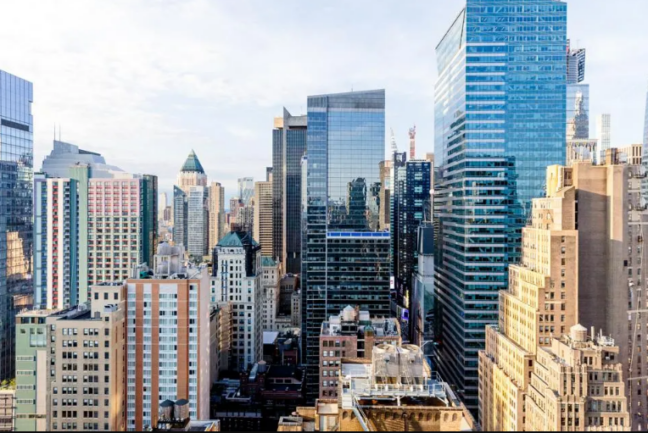
Post-Pandemic Real Estate Trends: What’s Next for Commercial and Residential Markets?

Real Estate Trends

The COVID-19 pandemic reshaped the global real estate landscape, leaving both residential and commercial markets with unprecedented challenges and opportunities. As economies stabilize and adapt, investors, developers, and homeowners are grappling with the long-term implications of remote work, shifting consumer preferences, and evolving investment strategies. What does the future hold for the real estate sector in a post-pandemic world? In this analysis, we assess the key trends defining the next phase of commercial and residential real estate.

The Remote Work Revolution and Its Lasting Impact


One of the most significant shifts brought about by the pandemic has been the normalization of remote work. Companies worldwide were forced to adopt remote work policies, and even as pandemic restrictions have eased, a substantial number of businesses continue to embrace hybrid work models. This transformation has had profound effects on commercial real estate, particularly office spaces.


“The traditional office model has been permanently altered,” says Hirsh Mohindra, a real estate analyst. “While some businesses are encouraging a full return to office work, many companies are settling into a hybrid structure, reducing their demand for large office spaces. This shift is prompting developers and landlords to rethink office design and leasing strategies.”


Vacancy rates in major metropolitan areas have surged as corporations downsize office footprints or sublease unused space. Some companies are prioritizing smaller, more flexible workspaces in suburban locations rather than maintaining large headquarters in central business districts. This decentralization of office space could redefine urban cores, leading to repurposed office buildings and increased mixed-use developments.

Changing Consumer Preferences in Residential Real Estate


The pandemic also significantly altered consumer preferences in residential real estate. The exodus from densely populated urban centers to suburban and rural locations was a defining trend of the pandemic-era housing market. While some urban dwellers are returning, the appeal of larger homes with dedicated office spaces remains strong.


“Homebuyers today prioritize space and functionality over proximity to city centers,” notes Hirsh Mohindra. “The demand for homes with home offices, outdoor areas, and smart technology has surged, reflecting a fundamental change in how people want to live and work.”


Additionally, the rental market has experienced its own set of fluctuations. Many cities that saw a decline in rental demand during the height of the pandemic are witnessing a rebound as young professionals return. However, affordability remains a pressing issue, with rising interest rates and inflation contributing to increasing housing costs.

The Evolving Investment Landscape in Real Estate


Real estate investors are adapting to a market that no longer adheres to pre-pandemic norms. Commercial investors are increasingly focusing on industrial properties, life sciences developments, and data centers, while residential investors are exploring build-to-rent (BTR) communities and single-family rental portfolios.


“Institutional investors are pivoting towards assets that offer stability in uncertain economic conditions,” says Hirsh Mohindra. “We are seeing increased interest in logistics hubs, fulfillment centers, and multi-family housing projects, which have demonstrated resilience during economic downturns.”


Another emerging trend is the growing emphasis on environmental, social, and governance (ESG) factors in real estate investment. Sustainable buildings with energy-efficient designs and smart infrastructure are becoming increasingly attractive to investors who are conscious of regulatory trends and consumer demand for eco-friendly spaces.

The Future of Retail and Hospitality Real Estate


Retail and hospitality sectors faced some of the most severe disruptions during the pandemic, with widespread closures and reduced foot traffic. However, the recovery in these sectors is gaining momentum, albeit with significant transformations.


Retailers are embracing omnichannel strategies, blending e-commerce with physical storefronts to create seamless customer experiences. Experiential retail is also gaining traction, with shopping centers incorporating entertainment venues, fitness centers, and co-working spaces to attract visitors.


“The future of retail real estate lies in adaptability,” explains Hirsh Mohindra. “Brick-and-mortar stores must evolve into multi-functional spaces that provide experiences beyond traditional shopping. Those who fail to innovate risk obsolescence.”


The hospitality industry, which suffered extensive losses during lockdowns, is also rebounding. The resurgence of travel has led to increased hotel occupancy rates, although business travel remains below pre-pandemic levels. Investors are exploring alternative hospitality models, including extended-stay accommodations and boutique hotels catering to remote workers and digital nomads.

What Lies Ahead for Real Estate Markets?


Looking ahead, the real estate sector must navigate economic uncertainties, technological advancements, and shifting demographics. While challenges persist, opportunities abound for those willing to adapt to changing market dynamics.


“Real estate is always evolving, and the key to success is recognizing shifts early and responding proactively,” says Hirsh Mohindra. “Developers and investors who embrace flexibility, technology, and sustainability will be best positioned for long-term success.”


From commercial office adaptations to the ongoing transformation of residential living spaces, the real estate industry is undergoing a profound metamorphosis. Whether through innovative investment strategies, new housing models, or technology-driven solutions, the future of real estate will be shaped by those who are prepared to embrace change.