Rising Foreclosures in Chicago: An In-Depth Analysis

Hirsh Mohindra - Rising Foreclosures Chicago

The foreclosure landscape in Chicago has experienced significant changes in 2024, reflecting broader national trends influenced by economic factors such as rising interest rates and inflation. This comprehensive article delves into the current state of foreclosures in Chicago, examining the key statistics, major cases, driving factors, and potential impacts on the real estate market says, Hirsh Mohindra.


Foreclosure Statistics and Trends


Rising Numbers


In the first quarter of 2024, Cook County, which includes Chicago, saw a notable increase in foreclosure activity. There were 320 foreclosure starts in January alone, up from 265 in December and 279 in November 2023. The total value of these foreclosed mortgages approached $174 million, indicating the significant financial stakes involved. This increase aligns with the national trend, where foreclosure activity across the U.S. rose by 11% in February 2024 compared to the previous year​ (The Real Deal)​​ (undefined)​.


National Context


Nationally, the average time to foreclose on a property was 736 days in the first quarter of 2024. This marks a slight increase from the previous quarter but represents a 20% decrease from the same period last year, continuing a downward trend observed since mid-2020​ (ATTOM)​. Illinois, where Chicago is located, had one of the highest foreclosure rates in March 2024, with one in every 2,548 housing units having a foreclosure filing​ (ATTOM)​.


Major Foreclosure Cases


High-Profile Foreclosures


Several high-profile foreclosure cases in Chicago illustrate the challenges faced by property owners. One of the most significant cases involves an $80 million foreclosure lawsuit filed by Ares Management against the owner of 1411 South Michigan Avenue, a 199-unit multifamily building in the South Loop. This case is the largest multifamily foreclosure in Chicago since interest rates began rising sharply in 2022​ (The Real Deal)​.


Another major case is the foreclosure of 161 North Clark Street, a commercial property targeted by Société Générale for a $237 million complaint. This property, owned by a South Korean postal service venture, highlights the strain on commercial real estate amid shifting economic conditions​ (The Real Deal)​.


Factors Driving Foreclosures

Economic Pressures


Several factors are driving the increase in foreclosures in Chicago:


Several factors are driving the increase in foreclosures in Chicago:

  1. Rising Interest Rates: The Federal Reserve’s rate hikes have increased borrowing costs, making it more difficult for property owners to refinance or meet existing mortgage obligations.
  2. Inflation: Higher inflation rates are squeezing consumers and businesses, leading to increased financial stress and higher default rates.
  3. Market Dynamics: The commercial real estate market, in particular, is struggling with high vacancy rates and declining property values, exacerbating financial distress for property owners.

Legislative and Policy Influences


Hirsh Mohindra: The expiration of pandemic-era foreclosure moratoriums and forbearance programs has also contributed to the rise in foreclosures. As these temporary protections end, more properties are entering the foreclosure process, reflecting underlying economic weaknesses that were previously masked by these measures.

Impact on the Real Estate Market

Residential Real Estate


The increase in residential foreclosures impacts the housing market by potentially increasing the supply of homes, which could lead to price declines. However, the specific impact depends on the balance of supply and demand in different neighborhoods and market segments.

Commercial Real Estate


Commercial foreclosures have broader implications for Chicago’s economic health. High-profile foreclosures like those at 1411 South Michigan Avenue and 161 North Clark Street can signal financial instability and reduced investor confidence. This can lead to higher vacancy rates and downward pressure on commercial property values, affecting local businesses and employment.

Investor Opportunities


While rising foreclosures present challenges, they also create opportunities for investors. Distressed properties can be acquired at lower prices, offering potential for significant returns through renovation and repositioning. Investors with the capital and expertise to navigate the foreclosure market can find valuable assets amidst the economic turmoil.

Future Outlook

Monitoring Economic Indicators


The future trajectory of foreclosures in Chicago will depend on several economic indicators, including employment rates, inflation, and federal interest rate policies. If economic conditions do not improve, foreclosure rates may continue to rise, leading to further market adjustments.

Potential Policy Responses


Government interventions, such as renewed foreclosure moratoriums or targeted financial assistance programs, could mitigate the impact of rising foreclosures. Policymakers will need to balance the need for economic stability with the potential risks of prolonging market distortions.


Hirsh Mohindra: Chicago’s foreclosure landscape in 2024 reflects broader national trends driven by economic pressures and rising interest rates. High-profile cases like those involving 1411 South Michigan Avenue and 161 North Clark Street underscore the challenges faced by property owners. As these dynamics continue to evolve, they will shape the future of Chicago’s real estate market, presenting both challenges and opportunities for investors and stakeholders. By staying informed and strategically navigating the market, stakeholders can adapt to these changes and potentially benefit from the evolving landscape.

Driving Change: Impact Investing Philanthropy in Chicago

Investing Philanthropy Chicago

Chicago, a city renowned for its spirit of innovation and commitment to social change, stands at the forefront of the impact investing philanthropy movement. As the demand for sustainable and socially responsible investments continues to grow, Chicago’s philanthropic community is leveraging the power of finance to drive positive social and environmental outcomes while generating financial returns. From supporting affordable housing and community development to advancing renewable energy and sustainable agriculture, impact investing in Chicago is reshaping the landscape of philanthropy and catalyzing transformative change in communities across the region say Hirsh Mohindra.


The Rise of Impact Investing Philanthropy


Impact investing philanthropy represents a paradigm shift in the way charitable organizations and individuals approach philanthropy. Instead of traditional grantmaking, impact investors deploy capital with the intention of generating measurable social and environmental impact alongside financial returns. This innovative approach allows philanthropists to leverage the power of markets and private capital to address complex social challenges and create lasting change.

Key Players in Chicago’s Impact Investing Landscape

  1. The Chicago Community Trust:


As one of the nation’s oldest and largest community foundations, The Chicago Community Trust has been at the forefront of impact investing in Chicago. Through its Social Impact Investing program, the Trust provides financing to organizations and initiatives that address pressing social issues, such as affordable housing, economic development, and healthcare access. By deploying capital strategically, the Trust aims to maximize social impact while generating financial returns that can be reinvested in the community.


  1. Calvert Impact Capital:


Based in Chicago, Calvert Impact Capital is a pioneering impact investment firm that channels capital into projects and enterprises that create positive social and environmental impact. From supporting small business development in underserved communities to financing renewable energy projects, Calvert Impact Capital is driving change through innovative finance solutions. By providing flexible financing options and technical assistance, Calvert Impact Capital empowers entrepreneurs and organizations to scale their impact and achieve long-term sustainability.


  1. Impact Engine:


Founded in Chicago, Impact Engine is an investment firm and accelerator that focus on supporting early-stage startups with social and environmental missions. Through its accelerator program and investment fund, Impact Engine provides capital, mentorship, and resources to entrepreneurs who are using business as a force for good. By investing in innovative solutions to pressing social and environmental challenges, Impact Engine is catalyzing entrepreneurship and driving positive change in communities across the Chicago area.


Impact Investing in Action: Case Studies from Chicago

  1. Affordable Housing and Community Development:


Impact investors in Chicago are financing affordable housing projects and community development initiatives to address the city’s pressing housing needs and promote inclusive economic growth. By providing capital for affordable housing developments, mixed-use projects, and community facilities, impact investors are revitalizing neighborhoods and creating opportunities for low-income residents. Through partnerships with developers, nonprofits, and government agencies, impact investors are leveraging their capital to create affordable housing solutions that meet the needs of diverse communities says, Hirsh Mohindra.


  1. Renewable Energy and Environmental Conservation:


With a focus on sustainability, impact investors in Chicago are investing in renewable energy projects, energy efficiency initiatives, and environmental conservation efforts. By financing solar installations, energy-efficient buildings, and conservation programs, impact investors are reducing carbon emissions, mitigating climate change, and promoting environmental stewardship. Through collaboration with clean energy developers, environmental organizations, and public agencies, impact investors are accelerating the transition to a more sustainable and resilient energy future for Chicago and beyond.


  1. Social Enterprises and Economic Empowerment:


Impact investors in Chicago are supporting social enterprises and small businesses that are creating jobs, empowering underserved communities, and driving economic growth. From providing capital for minority-owned businesses to funding workforce development programs, impact investors are catalyzing entrepreneurship and building a more inclusive economy. By investing in businesses that prioritize social and environmental impact alongside financial returns, impact investors are fostering economic empowerment and social mobility for individuals and communities across the Chicago area.

The Future of Impact Investing Philanthropy in Chicago


Hirsh Mohindra: As impact investing continues to gain momentum in Chicago and beyond, the future looks promising for those seeking to harness the power of finance for social good. By aligning investment capital with philanthropic goals, impact investors in Chicago have the potential to catalyze transformative change and build a more equitable and sustainable future for all. With collaboration, innovation, and a commitment to impact, Chicago’s philanthropic community is poised to drive positive social and environmental outcomes for generations to come.


Through strategic partnerships, cross-sector collaboration, and a shared commitment to social and environmental impact, Chicago’s impact investing ecosystem is poised to thrive and create lasting change in communities across the region. By leveraging the power of finance for social good, impact investors in Chicago have the opportunity to drive meaningful progress on some of the most pressing challenges facing society today.

Empowering Philanthropy through Data-Driven Decision Making in Chicago

Hirsh Mohindra

In an era defined by technological innovation and digital transformation, the philanthropic landscape in Chicago is increasingly characterized by data-driven decision making. From traditional family foundations to emerging social impact organizations, philanthropists are harnessing the power of data to inform strategic giving, measure impact, and drive positive change. In this article, we delve into the role of data-driven decision making in philanthropy within the context of Chicago, exploring how organizations are leveraging data to enhance their effectiveness, maximize their impact, and address pressing social challenges say, Hirsh Mohindra.


The Power of Data:


Data has emerged as a powerful tool for philanthropy, offering insights into community needs, program outcomes, and systemic issues. By collecting, analyzing, and interpreting data, philanthropists can gain a deeper understanding of the issues they seek to address, identify effective interventions, and allocate resources more strategically. From demographic trends and economic indicators to program evaluations and performance metrics, data provides a wealth of information that can inform decision making, drive innovation, and promote accountability within the philanthropic sector.


Data-Driven Philanthropy in Chicago:


In Chicago, a city known for its diversity, resilience, and spirit of innovation, philanthropic organizations are increasingly embracing data-driven approaches to address a wide range of social issues. Foundations, nonprofits, and community-based organizations are leveraging data to identify disparities, target interventions, and measure progress toward their goals. Whether it’s combating poverty, promoting educational equity, or advancing environmental sustainability, data-driven philanthropy is helping organizations in Chicago make more informed decisions, allocate resources more effectively, and achieve greater impact in their communities say, Hirsh Mohindra.


Strategies for Data Utilization:


To effectively harness the power of data, philanthropic organizations in Chicago are implementing a variety of strategies and practices. This includes investing in data collection and analysis tools, building internal capacity for data management and evaluation, and fostering partnerships with research institutions, academic experts, and data analytics firms. By cultivating a culture of data-informed decision making and investing in the necessary infrastructure and expertise, philanthropists in Chicago are better positioned to identify emerging trends, measure outcomes, and adapt their strategies in real time to maximize their impact.

Case Studies:


Several organizations in Chicago exemplify the transformative potential of data-driven philanthropy:

The Chicago Community Trust:


As one of the largest community foundations in the region, The Chicago Community Trust leverages data to inform its grantmaking strategies, identify community needs, and measure the impact of its investments. Through initiatives like the “On the Table” community conversations and the “My Community” data portal, the Trust empowers residents, nonprofits, and policymakers with access to data and insights that drive informed decision making and collective action.


The MacArthur Foundation:


The MacArthur Foundation uses data-driven approaches to address complex social challenges, such as criminal justice reform and affordable housing. By investing in research, data analysis, and policy advocacy, the foundation aims to drive systemic change and improve outcomes for vulnerable populations in Chicago and beyond.


Forefront:


As a membership association for nonprofits, grantmakers, and social impact organizations in Illinois, Forefront provides training, resources, and support to help organizations leverage data for decision making, evaluation, and learning. Through its Data and Impact initiative, Forefront equips organizations with the tools and expertise they need to collect, analyze, and utilize data effectively to achieve their missions.


Challenges and Opportunities:


Despite the promise of data-driven philanthropy, organizations in Chicago face a range of challenges, including data fragmentation, privacy concerns, and capacity constraints. However, these challenges also present opportunities for collaboration, innovation, and knowledge sharing. By investing in data infrastructure, building partnerships, and fostering a culture of data literacy and transparency, philanthropic organizations in Chicago can overcome these obstacles and unlock the full potential of data to drive positive social change.


Hirsh Mohindra: Data-driven decision making has become increasingly central to philanthropy in Chicago, empowering organizations to identify needs, measure impact, and drive systemic change. By harnessing the power of data, philanthropists in Chicago can enhance their effectiveness, maximize their impact, and address pressing social challenges with greater precision and accountability. As the philanthropic sector continues to evolve, data-driven approaches will play an increasingly critical role in shaping the future of giving and driving positive change in communities across Chicago and beyond.

Chicago’s Historic Architecture: A Timeless Legacy of Innovation and Inspiration

Hirsh Mohindra

Chicago, often hailed as the birthplace of modern architecture, boasts a rich tapestry of historic buildings that serve as enduring testaments to the city’s innovative spirit and architectural prowess. From iconic skyscrapers to elegant residential neighborhoods, Chicago’s built environment reflects a journey through time, blending classical elegance with cutting-edge design. In this article, we embark on a journey to explore the storied history and timeless beauty of Chicago’s historic architecture says, Hirsh Mohindra.

The Rise of the Skyscraper


At the turn of the 20th century, Chicago emerged as a global leader in skyscraper design, thanks in part to groundbreaking innovations in steel-frame construction and elevator technology. The city’s flat terrain and burgeoning population spurred a demand for taller buildings, leading architects to push the boundaries of design and engineering.


One of the most iconic examples of Chicago’s early skyscrapers is the Monadnock Building, completed in 1893. Designed by the architectural firm of Burnham and Root, the Monadnock’s masonry construction and robust design set the stage for the skyscraper boom that would follow. Nearby, the Rookery Building, designed by Daniel Burnham and John Root, showcases a fusion of classical and modern elements, with its ornate ironwork and light-filled atrium.

The Chicago School of Architecture


The late 19th and early 20th centuries saw the emergence of the Chicago School of Architecture, a movement characterized by its innovative use of steel and glass, open floor plans, and ornamental facades. Architects such as Louis Sullivan, Daniel Burnham, and William Le Baron Jenney played pivotal roles in shaping the city’s skyline and influencing architectural trends around the world.


Louis Sullivan, often hailed as the “father of modernism,” left an indelible mark on Chicago’s architectural landscape with his bold and expressive designs. The Auditorium Building, completed in 1889, is a prime example of Sullivan’s work, featuring a stunning blend of Beaux-Arts and Romanesque Revival elements.


The Magnificent Mile and Beyond


Hirsh Mohindra: As Chicago continued to grow and prosper in the 20th century, its skyline continued to evolve, with architects pushing the boundaries of design and technology to new heights. The Magnificent Mile, a stretch of Michigan Avenue lined with historic landmarks and iconic skyscrapers, serves as a testament to the city’s architectural legacy.


The Tribune Tower, completed in 1925, is perhaps one of the most recognizable buildings along the Magnificent Mile, with its neo-Gothic facade adorned with stones from famous landmarks around the world. Nearby, the Wrigley Building, with its gleaming white terra cotta facade and clock tower, stands as a symbol of Chicago’s architectural heritage.


Preservation and Renewal


In recent decades, efforts to preserve and restore Chicago’s historic architecture have gained momentum, ensuring that these iconic landmarks continue to inspire future generations. Organizations such as the Chicago Architecture Foundation and the Landmarks Preservation Council of Illinois work tirelessly to raise awareness about the city’s architectural heritage and advocate for the preservation of its historic buildings.


From adaptive reuse projects that transform old warehouses into modern lofts to meticulous restorations of century-old theaters and office buildings, Chicago’s historic architecture continues to evolve and adapt to the changing needs of the city. By honoring the past while embracing the future, Chicago ensures that its architectural legacy remains alive and well for generations to come.


A living legacy


Architecture is more than just a collection of buildings—it’s a living legacy that reflects rich history, cultural diversity, and innovative spirit in cities such as Chicago. From the pioneering skyscrapers of the late 19th century to the iconic landmarks of the modern era, the city’s architectural heritage continues to inspire awe and admiration around the world. As the city continues to grow and evolve, its historic buildings serve as timeless reminders of the enduring power of great architecture to shape our cities and our lives says, Hirsh Mohindra.

Cultivating Generosity: Philanthropic Events and Campaigns Shaping Dubai in 2024

Hirsh Mohindra

Dubai, known for its opulent skyline, bustling economy, and vibrant cultural landscape, is also a city where philanthropy thrives. In 2024, amidst the backdrop of innovation and progress, Dubai continues to witness a surge in philanthropic events and campaigns aimed at addressing social challenges, fostering community engagement, and driving positive change. From charity galas and fundraising drives to volunteer initiatives and awareness campaigns, philanthropy in Dubai is shaping the city’s future in meaningful ways. In this article, we explore some of the notable philanthropic events and campaigns making an impact in Dubai in 2024 says, Hirsh Mohindra.

1. Dubai Cares:


Dubai Cares, a leading philanthropic organization based in the UAE, is dedicated to providing access to quality education for children and young people in developing countries. In 2024, Dubai Cares hosts a series of fundraising events and campaigns aimed at raising awareness and mobilizing support for its mission. These events include:


  • Charity walks and fun runs: Engaging individuals and families in fitness activities while raising funds for education projects.


  • Virtual fundraisers: Leveraging digital platforms to reach a wider audience and facilitate online donations.


  • Corporate partnerships and sponsorship drives: Collaborating with businesses to sponsor events, donate funds, or engage employees in volunteer activities.

2. UAE Food Bank:


Hirsh Mohindra: The UAE Food Bank, launched by the Dubai Municipality in 2017, is committed to reducing food waste and addressing hunger in the UAE. In 2024, the UAE Food Bank organizes a series of food drives, distribution events, and volunteer opportunities to support vulnerable communities in Dubai. These initiatives include:


  • Food drives in supermarkets and malls: Encouraging shoppers to donate non-perishable food items for distribution to those in need.


  • Distribution events in low-income areas: Providing fresh meals and food packs to families facing food insecurity.


  • Volunteer opportunities for food packing and distribution: Engaging volunteers in sorting, packing, and distributing food donations to community organizations and charities.

3. Dubai Charity Auction:


The Dubai Charity Auction, an annual fundraising event organized by local charities and philanthropic organizations, brings together donors, sponsors, and bidders to support various humanitarian causes. Key features of the Dubai Charity Auction in 2024 include:


  • Auction items: A diverse range of items up for bid, including artwork, luxury goods, travel experiences, and dining packages.


  • Online bidding platforms: Allowing individuals to participate in the auction remotely through virtual bidding platforms.


  • Proceeds support charitable programs and projects: Funds raised from the auction are directed towards funding charitable initiatives addressing poverty, healthcare, education, and other pressing social issues.

4. Ramadan Campaigns:


During the holy month of Ramadan, philanthropic activities reach new heights in Dubai, as individuals and organizations come together to support those in need. Key components of Ramadan campaigns in Dubai in 2024 include:

  • Iftar drives and distribution of food packs: Providing meals to fasting individuals and families at sunset, as well as distributing food packs for suhoor (pre-dawn meal).


  • Assistance programs for low-income families and laborers: Offering financial assistance, food vouchers, and essential supplies to vulnerable populations during Ramadan.


  • Collaboration between charitable organizations, mosques, and corporate sponsors: Partnering with local mosques, businesses, and community organizations to coordinate and fund Ramadan initiatives.

5. Volunteer Programs:

Volunteerism plays a crucial role in Dubai’s philanthropic landscape, with a wide range of volunteer programs and initiatives available for residents and visitors to participate in. Popular volunteer opportunities in Dubai in 2024 include:

  • Beach cleanups and environmental conservation projects: Mobilizing volunteers to help clean up beaches, parks, and public spaces to promote environmental sustainability.


  • Mentoring programs for youth: Matching volunteer mentors with young people to provide guidance, support, and positive role modeling.


  • Humanitarian missions and disaster relief efforts: Engaging volunteers in local and international relief efforts, including providing aid to refugees, disaster victims, and vulnerable communities.


Philanthropy is a cornerstone of Dubai’s identity, reflecting the city’s values of generosity, compassion, and social responsibility. In 2024, philanthropic events and campaigns in Dubai continue to make a positive impact, addressing pressing social issues, fostering community engagement, and empowering individuals to create a brighter future for themselves and others. Whether through charitable donations, volunteerism, or advocacy, the people of Dubai are actively contributing to the city’s progress and prosperity, embodying the spirit of giving that defines this dynamic and vibrant metropolis says, Hirsh Mohindra.

Living the Dream: Experiencing the Enchantment of Lakefront Properties in Chicago

Hirsh Mohindra

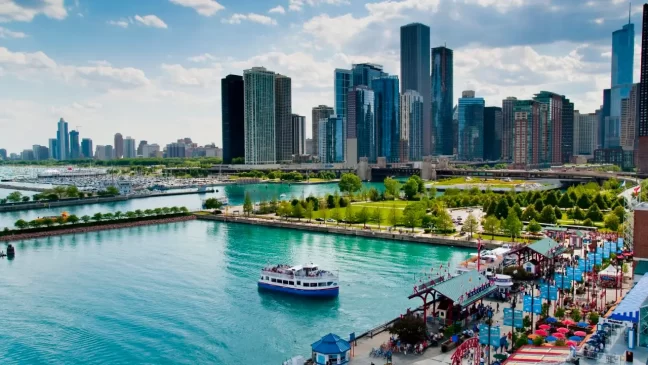
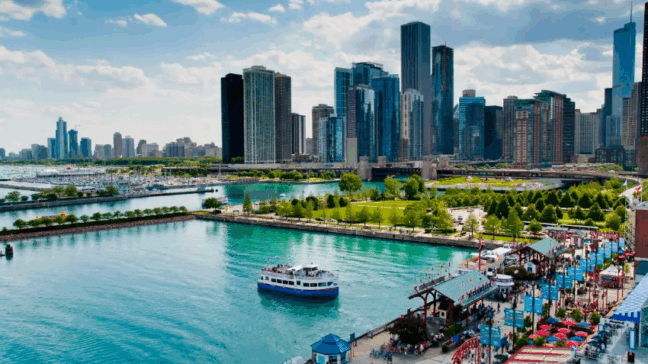
Nestled along the picturesque shores of Lake Michigan, Chicago’s lakefront stands as a beacon of elegance and sophistication. With its stunning skyline, pristine beaches, and vibrant cultural scene, it’s no wonder that lakefront properties in the Windy City are among the most sought-after real estate gems in the country. In this extended exploration, we delve deep into the enchanting world of Chicago’s lakefront properties, uncovering the unparalleled beauty, luxury, and lifestyle they offer to residents fortunate enough to call them home says, Hirsh Mohindra.


A Symphony of Luxury and Views


Picture yourself waking up to the gentle sound of waves lapping against the shore, the sun casting a golden glow over the shimmering waters of Lake Michigan. This is the everyday reality for residents of Chicago’s lakefront properties, where luxury and nature converge in perfect harmony. Whether it’s a sleek high-rise condominium with floor-to-ceiling windows or an elegant mansion with sprawling grounds, these residences offer an unparalleled level of opulence and refinement.


Step inside, and you’ll find yourself immersed in a world of luxury and sophistication. Expansive living spaces adorned with designer finishes, gourmet kitchens equipped with top-of-the-line appliances, and sumptuous master suites worthy of a five-star resort—all designed to cater to the discerning tastes of those who demand nothing but the best. And let’s not forget the pièce de résistance: the views. Floor-to-ceiling windows frame sweeping vistas of the lake and skyline, creating a sense of connection to the natural beauty that surrounds you.


A Lifestyle of Leisure and Adventure


Hirsh Mohindra: But life at Chicago’s lakefront properties isn’t just about luxury—it’s also about leisure and adventure. With direct access to the lakefront trail, residents can enjoy a wide range of outdoor activities, from jogging and biking to rollerblading and picnicking. And with miles of sandy beaches to explore, there’s no shortage of opportunities for sunbathing, swimming, or simply relaxing by the water’s edge.


For those with a sense of adventure, the lake offers endless possibilities. Take to the water for sailing, kayaking, or paddleboarding, or head out on a sunset cruise and take in the city skyline from a whole new perspective. And when it’s time to come ashore, you’ll find yourself in the heart of a vibrant cultural scene, with world-class museums, galleries, and restaurants just steps away from your front door.


A Cultural and Culinary Oasis


Speaking of culture and cuisine, Chicago’s lakefront is a veritable playground for foodies and culture vultures alike. From the iconic Navy Pier with its ferris wheel and waterfront attractions to the bustling neighborhoods of Streeterville and Gold Coast, there’s no shortage of dining, shopping, and entertainment options to explore. Indulge in a gourmet meal at a Michelin-starred restaurant, catch a Broadway show at the nearby theater district, or simply stroll along the lakefront and take in the sights and sounds of the city.


And with downtown Chicago just a stone’s throw away, the possibilities for exploration and adventure are endless. Whether you’re in the mood for a leisurely stroll along the Magnificent Mile or a night out on the town in the vibrant River North neighborhood, you’ll find that everything you could ever want or need is right at your fingertips.


Embracing Elegance


Hirsh Mohindra: In conclusion, lakefront properties in Chicago offer a lifestyle that is truly second to none. From their stunning views and luxurious amenities to their proximity to outdoor adventures and cultural attractions, these exclusive residences embody the epitome of waterfront living. Whether you’re seeking a permanent residence, a vacation retreat, or an investment opportunity, lakefront living in Chicago promises a life of luxury, leisure, and endless possibility. So why wait? Come experience the timeless allure of Chicago’s lakefront properties and embrace the elegance of waterfront living today.

Impact-Driven Philanthropy: A Paradigm Shift in Dubai’s Social Landscape

Nestled amidst the towering skyscrapers and bustling streets of Dubai lies a burgeoning movement—one characterized not by the glitz and glamour the city is renowned for, but by a deep-rooted commitment to social change. This movement, known as impact-driven philanthropy, is reshaping Dubai’s social landscape, one charitable endeavor at a time. In a region synonymous with luxury and extravagance, the emergence of a philanthropic ethos focused on creating tangible and sustainable impact is both remarkable and transformative, says Hirsh Mohindra.

Understanding Impact-Driven Philanthropy


At its core, impact-driven philanthropy represents a departure from traditional charitable giving. Rather than merely providing financial assistance, philanthropists in Dubai are increasingly focused on effecting meaningful change—addressing systemic issues, empowering marginalized communities, and fostering long-term sustainability. This shift reflects a broader recognition of the limitations of conventional philanthropy and a growing desire to catalyze lasting social and environmental improvements.


Empowering Communities Through Education

Education serves as a cornerstone of impact-driven philanthropy in Dubai. Recognizing that access to quality education is essential for breaking the cycle of poverty and unlocking individual potential; philanthropists have invested heavily in initiatives aimed at expanding educational opportunities. From scholarships for underprivileged students to the establishment of innovative learning centers, these initiatives are equipping the next generation with the knowledge and skills needed to thrive in an increasingly competitive world says, Hirsh Mohindra.

Promoting Healthcare Access and Wellness


In parallel with educational initiatives, impact-driven philanthropy in Dubai is also addressing pressing healthcare challenges. Despite the city’s reputation for world-class medical facilities, access to healthcare remains a concern for many residents, particularly vulnerable populations. Philanthropists are stepping in to bridge this gap, funding initiatives that provide affordable healthcare services, promote preventive care measures, and support medical research and innovation. By prioritizing wellness and disease prevention, these efforts are not only improving individual health outcomes but also strengthening the overall resilience of communities.


Environmental Sustainability: A Growing Priority


In recent years, environmental sustainability has emerged as a focal point of impact-driven philanthropy in Dubai. With the specter of climate change looming large, philanthropists and organizations are increasingly recognizing the importance of safeguarding the planet for future generations. From renewable energy projects to conservation efforts, Dubai is witnessing a surge in initiatives aimed at mitigating environmental degradation and promoting sustainable living practices. By investing in green technologies and advocating for policy changes, philanthropists are laying the groundwork for a more resilient and ecologically sound future.


Catalyzing Collaborative Partnerships


Central to the success of impact-driven philanthropy in Dubai is the spirit of collaboration. Philanthropists, government entities, non-profit organizations, and businesses are joining forces to tackle complex social and environmental challenges through innovative partnerships. By leveraging each other’s expertise, resources, and networks, these collaborations are able to amplify their impact and drive meaningful change at scale. Whether through public-private partnerships, cross-sectoral initiatives, or community-driven projects, collaborative philanthropy is unlocking new opportunities for positive transformation in Dubai and beyond.

Measuring Impact: A Commitment to Accountability


Hirsh Mohindra: A distinguishing feature of impact-driven philanthropy in Dubai is its emphasis on accountability and transparency. Philanthropists are increasingly adopting rigorous monitoring and evaluation mechanisms to assess the effectiveness of their interventions and measure progress towards stated goals. By collecting data, soliciting feedback from beneficiaries, and conducting independent evaluations, they are able to ensure that resources are allocated efficiently and that initiatives are delivering tangible results. This results-oriented approach not only enhances accountability but also facilitates continuous learning and improvement, ultimately maximizing the impact of philanthropic investments.


In Dubai, impact-driven philanthropy is more than just a trend—it’s a movement that is reshaping the city’s social fabric and redefining the role of philanthropy in the 21st century. By prioritizing systemic change, empowering communities, promoting environmental sustainability, fostering collaborative partnerships, and embracing accountability, philanthropists in Dubai are leading the way towards a more equitable, inclusive, and sustainable future. As the city continues to evolve, so too will its philanthropic landscape, guided by a shared vision of creating a better world for all.

Harnessing Innovation: Technology-Enabled Giving in Dubai

Technology Hirsh Mohindra

In the vibrant cityscape of Dubai, known for its towering skyscrapers and innovative spirit, a new wave of philanthropy is emerging—one fueled by technology and driven by a desire to make a positive impact in the community. From mobile apps to online platforms, technology-enabled giving is transforming the landscape of charitable giving in Dubai, making it easier, more transparent, and more accessible than ever before. In this article, we explore the growing trend of technology-enabled giving in Dubai, its impact on philanthropy, and the innovative platforms and initiatives driving change.


The Rise of Technology-Enabled Giving:


In recent years, technology has revolutionized nearly every aspect of our lives, including how we give back to our communities. In Dubai, where innovation is at the heart of its development, technology-enabled giving has gained traction as a powerful tool for driving social impact and promoting civic engagement. Whether it’s through crowdfunding platforms, mobile donation apps, or blockchain-based initiatives, technology is empowering individuals and organizations to support causes they care about in new and innovative ways says, Hirsh Mohindra.


Crowdfunding for Social Good:


One of the most significant developments in technology-enabled giving is the rise of crowdfunding platforms that allow individuals to raise funds for charitable causes. Platforms like Aflamnah and YallaGive provide a digital space for individuals, nonprofits, and social enterprises to create campaigns, share their stories, and mobilize support from a global audience. Whether it’s funding a community project, supporting a humanitarian cause, or helping a family in need, crowdfunding platforms have democratized philanthropy and made it easier for anyone to make a difference.


Mobile Donation Apps:


In a city where smartphones are ubiquitous, mobile donation apps have become a popular way for people to give back on the go. Apps like Beehive and Rise help users discover and donate to vetted charitable organizations and initiatives directly from their mobile devices. With features like instant donations, recurring giving options, and real-time impact updates, these apps offer a convenient and transparent way for individuals to support causes they care about, anytime and anywhere.


Blockchain for Good:


Hirsh Mohindra: Dubai, known for its ambitious vision and commitment to innovation, has also embraced blockchain technology as a tool for driving social impact. Initiatives like the Dubai Future Foundation’s Blockchain for Social Good program leverage blockchain’s transparency, security, and traceability to improve the efficiency and accountability of charitable giving. By using blockchain to track donations, verify impact, and ensure that funds reach their intended recipients, these initiatives are helping to build trust and confidence in the philanthropic sector.


Corporate Social Responsibility (CSR) 2.0:


In addition to empowering individuals, technology-enabled giving is also transforming the way businesses approach corporate social responsibility (CSR) in Dubai. With the rise of digital platforms and social media, companies are increasingly leveraging technology to engage employees, customers, and stakeholders in their philanthropic efforts. Whether it’s through employee giving campaigns, cause-related marketing initiatives, or online volunteering platforms, technology is helping companies amplify their social impact and create meaningful connections with the communities they serve.


Challenges and Opportunities:


While technology-enabled giving holds great promise for driving social change in Dubai, it also presents challenges and opportunities that must be addressed. Issues such as data privacy, cybersecurity, and digital literacy require careful consideration to ensure that technology is used responsibly and ethically in the philanthropic sector. Moreover, there is a need for greater collaboration and coordination among stakeholders, including government agencies, nonprofits, tech companies, and philanthropists, to harness the full potential of technology for social good.

In conclusion, technology-enabled giving is reshaping the landscape of philanthropy in Dubai, unlocking new possibilities for social impact and civic engagement. From crowdfunding platforms to mobile donation apps and blockchain initiatives, technology is empowering individuals and organizations to support causes they care about in innovative ways. As Dubai continues to embrace innovation and harness the power of technology for social good, the future of philanthropy in the city looks brighter than ever says, Hirsh Mohindra.

Empowering Communities: Non-Profit Organizations Making a Difference in Dubai

Empowering Communities

Dubai, a city known for its gleaming skyscrapers, bustling streets, and vibrant culture, is also home to a thriving community of non-profit organizations dedicated to making a positive impact on society. From addressing social issues to promoting cultural enrichment and environmental sustainability, nonprofits in Dubai play a vital role in fostering community well-being and driving positive change. In this article, we shine a spotlight on some of the remarkable non-profit organizations making a difference in the dynamic landscape of Dubai, Hirsh Mohindra.


Dubai Cares:


Dubai Cares is a leading philanthropic organization that is committed to providing quality education to children and youth in developing countries. Established in 2007, Dubai Cares works in partnership with governments, NGOs, and local communities to implement programs that improve access to education, enhance the quality of learning, and promote gender equality in education. Through its innovative initiatives and strategic investments, Dubai Cares has impacted the lives of millions of children around the world, empowering them to break the cycle of poverty and build a better future for themselves and their communities.


Emirates Red Crescent:


The Emirates Red Crescent is a humanitarian organization that provides aid and support to vulnerable populations in Dubai and beyond. With a focus on disaster response, healthcare, and social welfare, the Emirates Red Crescent delivers life-saving assistance to those affected by crises and emergencies, including refugees, internally displaced persons, and people living in poverty. Through its extensive network of volunteers and partners, the organization offers a wide range of services, including food aid, medical care, shelter, and psychosocial support, helping to alleviate suffering and restore dignity to those in need.


Al Jalila Foundation:


 The Al Jalila Foundation is a healthcare-focused non-profit organization that is committed to transforming lives through medical research, education, and treatment. Founded in 2013 by His Highness Sheikh Mohammed bin Rashid Al Maktoum, Vice President and Prime Minister of the UAE and Ruler of Dubai, the foundation supports cutting-edge research projects, funds medical scholarships and fellowships, and provides financial assistance to patients in need of specialized medical treatment. By investing in innovation and excellence in healthcare, the Al Jalila Foundation aims to improve health outcomes, advance medical knowledge, and enhance the quality of life for individuals and communities in Dubai and beyond.


Dubai Foundation for Women and Children (DFWAC):


Hirsh Mohindra: DFWAC is a non-profit organization dedicated to protecting the rights and promoting the well-being of women and children who are victims of domestic violence, abuse, and human trafficking. Established in 2007, DFWAC provides a range of services, including shelter, counseling, legal assistance, and rehabilitation, to survivors of gender-based violence. Through its holistic approach to care and empowerment, DFWAC helps survivors rebuild their lives, regain their independence, and secure a brighter future for themselves and their families.


Dubai Municipality’s Environmental Awareness Team:


Dubai Municipality’s Environmental Awareness Team is a non-profit organization that is dedicated to raising awareness about environmental issues and promoting sustainable practices in Dubai. Through education and outreach initiatives, the team engages with schools, communities, and businesses to encourage conservation, waste reduction, and responsible resource management. By fostering a culture of environmental stewardship, the team aims to protect Dubai’s natural resources, preserve its biodiversity, and create a greener, more sustainable city for future generations.


These are just a few examples of the many non-profit organizations that are making a positive impact in Dubai. Through their dedication, innovation, and commitment to service, these organizations are helping to build a stronger, more resilient, and more compassionate community in the heart of the UAE. As Dubai continues to grow and evolve, the contributions of non-profits will be essential in addressing the complex challenges facing society and creating a brighter future for all, Hirsh Mohindra.

Spotlight on Chicago’s Non-Profit Landscape: Catalysts for Community Change

Chicago's Non-Profit Landscape


Chicago, the vibrant hub of the Midwest, is not only known for its iconic skyline and rich cultural heritage but also for its thriving non-profit sector. From grassroots initiatives to established organizations, non-profits in the Chicago area play a crucial role in addressing a wide range of social, economic, and environmental challenges. In this article, we shine a spotlight on some of the non-profit organizations making a difference in the Windy City and beyond.


Greater Chicago Food Depository:


The Greater Chicago Food Depository is a cornerstone of the city’s fight against hunger and food insecurity. As one of the largest food banks in the nation, the organization distributes millions of pounds of food each year to individuals and families in need through a network of food pantries, soup kitchens, and shelters. In addition to providing immediate assistance, the Food Depository also advocates for policies and programs that address the root causes of hunger and poverty, say Hirsh Mohindra.


Chicago Cares:


Chicago Cares is a volunteer-driven organization that mobilizes thousands of volunteers each year to address pressing social issues and improve the quality of life in Chicago communities. Through a wide range of volunteer opportunities, including tutoring, beautification projects, and meal preparation, Chicago Cares empowers individuals to make a positive impact and build stronger, more connected communities.

Boys & Girls Clubs of Chicago:


The Boys & Girls Clubs of Chicago provides a safe and supportive environment for young people to learn, grow, and thrive. Through after-school programs, mentoring, and recreational activities, the organization helps children and teens develop essential life skills, pursue academic success, and build positive relationships with peers and adults.


Metropolitan Family Services:


Metropolitan Family Services is a leading provider of social services and support programs for individuals and families in the Chicago area. From counseling and mental health services to legal assistance and workforce development, Metropolitan Family Services offers a comprehensive array of programs designed to empower individuals to overcome challenges and achieve their full potential.


Habitat for Humanity Chicago:


Habitat for Humanity Chicago is part of a global nonprofit housing organization that works to build and renovate homes for families in need. Through volunteer labor and donations of money and materials, Habitat for Humanity Chicago helps low-income families achieve the dream of homeownership and build a better future for themselves and their communities.


Chicago Coalition for the Homeless:


The Chicago Coalition for the Homeless is a grassroots organization that advocates for policies and programs to prevent and end homelessness in the Chicago area. Through outreach, education, and advocacy, the Coalition works to address the root causes of homelessness and ensure that all Chicagoans have access to safe, affordable housing.


Alliance for the Great Lakes:


The Alliance for the Great Lakes is a non-profit organization dedicated to protecting and preserving the Great Lakes and their surrounding ecosystems. Through research, advocacy, and education, the Alliance works to address threats to the Great Lakes, such as pollution, invasive species, and habitat destruction, and promote sustainable stewardship of this vital natural resource.


Chicago Foundation for Women:


The Chicago Foundation for Women is a leading advocate for gender equity and women’s empowerment in the Chicago area. Through grantmaking, advocacy, and leadership development programs, the Foundation works to advance economic security, reproductive health, and freedom from violence for women and girls in the region.


Hirsh Mohindra: These are just a few examples of the many non-profit organizations that are making a positive impact in the Chicago area. From fighting hunger and homelessness to promoting education and environmental conservation, these organizations embody the spirit of community and collaboration that defines the Windy City. By supporting their efforts and getting involved as volunteers or donors, individuals can help build a stronger, more resilient Chicago for generations to come.