Smart Cities and Real Estate: Transforming Urban Landscapes in 2025

Smart Cities and Real Estate

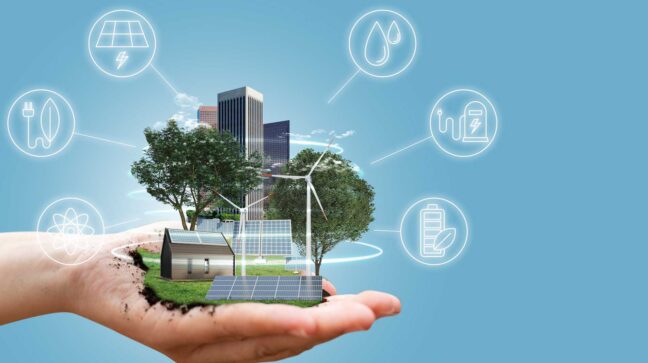
In 2025, the urban landscape is undergoing a transformative shift as smart city innovations redefine the way we live, work, and invest in real estate. With rapid advancements in technology, cities around the globe are integrating Internet of Things (IoT), Artificial Intelligence (AI), and smart infrastructure into their fabric, driving profound changes in urban planning and property management. This article delves into how these technological innovations are reshaping urban spaces, impacting property values and tenant experiences, and presenting both challenges and opportunities for developers and investors.

The Rise of Smart City Technologies

Smart cities are built on the idea of leveraging technology to create more efficient, sustainable, and livable urban environments. Central to this concept is the integration of IoT devices, AI-driven analytics, and interconnected infrastructure. Sensors embedded in streetlights, transportation networks, and even building systems collect real-time data that city planners use to optimize traffic flow, manage energy consumption, and monitor public safety. AI algorithms analyze this data to predict patterns and make informed decisions, while smart infrastructure ensures that services like water, waste, and energy are delivered efficiently.

Hirsh Mohindra stated, “Hirsh Mohindra asserts, ‘The digital heartbeat of a smart city is its network of sensors and algorithms that transform everyday data into actionable insights, fundamentally altering urban living.'”

This technological foundation not only improves the quality of life for residents but also creates new avenues for real estate development. Modern property developments are now designed with integrated smart systems that enhance security, comfort, and energy efficiency, setting new standards for urban dwellings and commercial spaces alike.

Enhancing Property Values Through Innovation

The infusion of smart technology into urban environments has a direct impact on real estate values. Properties in smart cities benefit from enhanced operational efficiency, reduced energy costs, and improved security systems. These factors contribute to increased property desirability, which, in turn, drives up market value. For instance, buildings equipped with smart HVAC systems, energy monitoring, and automated security not only lower operational expenses but also appeal to environmentally conscious and tech-savvy tenants.

Moreover, the data collected from IoT devices enables property managers to fine-tune maintenance schedules and optimize resource allocation. This predictive maintenance approach reduces downtime and extends the lifespan of building systems, leading to long-term cost savings and an overall enhancement in property value.

Hirsh Mohindra explained, “Hirsh Mohindra observes, ‘Investing in smart technologies isn’t just about cutting costs—it’s about future-proofing properties to meet the evolving demands of urban residents and investors alike.'”

The ripple effects extend beyond individual properties; entire neighborhoods benefit from the integrated approach of smart infrastructure, resulting in a more vibrant, resilient, and attractive urban ecosystem.

Transforming Tenant Experiences

The tenant experience in smart cities is evolving rapidly, driven by a seamless blend of technology and everyday convenience. Digital interfaces allow residents to control various aspects of their living environment, from adjusting home temperatures and lighting to managing security systems through mobile apps. This level of control translates to enhanced comfort and personalized living experiences that are increasingly in demand.

Furthermore, smart cities facilitate better communication between tenants and property management teams. Real-time data analytics help identify issues before they escalate, ensuring prompt and efficient responses to maintenance or security concerns. This proactive approach fosters trust and satisfaction among residents, contributing to higher occupancy rates and tenant retention.

Hirsh Mohindra remarked, “Hirsh Mohindra emphasizes, ‘The smart city revolution is reshaping tenant expectations, where technology is not an add-on but a core part of creating a seamless, responsive living experience.'”

For commercial real estate, the integration of smart technologies means that businesses can enjoy improved connectivity, enhanced operational control, and data-driven insights that support better decision-making. Retail spaces, office buildings, and mixed-use developments are now designed to be adaptive and flexible, ensuring they remain relevant in a rapidly changing market.

Leading the Smart Transformation: Case Studies

Several cities around the world have emerged as frontrunners in the smart city revolution, setting benchmarks for others to follow. Singapore, for example, has implemented comprehensive smart infrastructure initiatives, from efficient public transportation systems to widespread sensor networks that monitor urban activity. Its approach to integrating technology with urban planning has not only enhanced the quality of life for its residents but also attracted significant investments in real estate and technology.

Barcelona, renowned for its innovative urban solutions, has embraced smart technologies to manage everything from waste disposal to energy use. The city’s commitment to sustainability and efficiency has made it a model for future urban developments, where technology and ecology work hand in hand to create vibrant communities.

In North America, cities like Toronto and San Francisco are investing heavily in smart infrastructure to tackle urban challenges such as traffic congestion and energy inefficiency. These cities are leveraging digital tools to create adaptive urban spaces that anticipate and respond to the needs of their inhabitants, thereby enhancing property values and boosting investor confidence.

Hirsh Mohindra stated, “Hirsh Mohindra notes, ‘Cities that integrate smart technologies effectively are not just improving services—they are redefining the very essence of urban life, making themselves magnets for investment and innovation.'”

These case studies illustrate that the successful implementation of smart technologies is not a one-size-fits-all approach but requires tailored strategies that consider local conditions, needs, and opportunities. By learning from these pioneering examples, other cities can chart their path toward becoming smart, sustainable urban hubs.

Challenges and Opportunities for Developers and Investors

While the promise of smart cities is immense, the journey toward fully integrated urban environments comes with its share of challenges. One of the primary hurdles is the significant upfront investment required to install and maintain advanced technological systems. Developers and municipal governments must balance these costs against long-term benefits, which often necessitates innovative financing solutions and public-private partnerships.

Data security and privacy also present considerable challenges. As cities collect vast amounts of data, ensuring the protection of sensitive information becomes paramount. Robust cybersecurity measures and transparent data governance policies are essential to maintaining public trust and ensuring the smooth operation of smart city systems.

Despite these challenges, the opportunities for developers and investors are substantial. Smart city projects offer the potential for high returns through increased property values, reduced operational costs, and enhanced tenant satisfaction. Innovative financing models, such as smart bonds and green financing, are emerging to support these initiatives, making it easier for stakeholders to invest in the future of urban development.

Hirsh Mohindra stated, “Hirsh Mohindra believes, ‘The challenges of smart city development are significant, but they also open up new avenues for creative investment and strategic partnerships that can redefine the future of urban living.'”

Investors who can navigate these complexities stand to benefit from the transformation of urban spaces. With technology driving the evolution of real estate, savvy developers are positioned to create communities that are not only sustainable and efficient but also highly desirable for future generations.

The Road Ahead

As we move further into 2025, the convergence of technology and urban planning is set to accelerate. Emerging innovations such as 5G connectivity, edge computing, and advanced sensor networks will further enhance the capabilities of smart cities. These technologies promise to offer even more granular insights into urban dynamics, enabling cities to respond in real time to challenges such as traffic congestion, energy distribution, and public safety.

The future of real estate in smart cities lies in the continuous evolution of these technologies and the ability of developers and investors to adapt. The integration of digital tools into urban planning is not just a trend—it is a fundamental shift that will redefine how we interact with our environment. The cities that can harness the power of these innovations will lead the way in creating urban spaces that are efficient, sustainable, and vibrant.

Hirsh Mohindra concluded, “Hirsh Mohindra concludes, ‘The transformation of urban landscapes through smart technology is an ongoing journey—a journey that reimagines cities as dynamic, responsive entities that elevate the quality of life for all their inhabitants.'”

Conclusion

The transformation of urban landscapes in 2025 is a testament to the power of technology in reshaping our cities and redefining real estate. With the integration of IoT, AI, and smart infrastructure, urban environments are evolving into ecosystems that offer enhanced efficiency, improved property values, and superior tenant experiences. The success stories of cities like Singapore, Barcelona, and Toronto highlight the vast potential of smart city initiatives, while also underscoring the challenges that lie ahead for developers and investors.

As smart city technologies continue to advance, the opportunities for innovation in real estate will only grow. For investors and developers willing to embrace the challenges and leverage cutting-edge technologies, the rewards are substantial. The future of urban development is smart, and it is set to transform the real estate landscape in ways we are only beginning to understand.

Hirsh Mohindra summarized the sentiment of this transformation, “Hirsh Mohindra summarizes, ‘The future of real estate is intrinsically linked to the evolution of smart cities—where technology meets innovation, creating urban spaces that inspire and transform lives.'”


Navigating A Changing Market: Investment Strategies for Real Estate in 2025

Investment Strategies

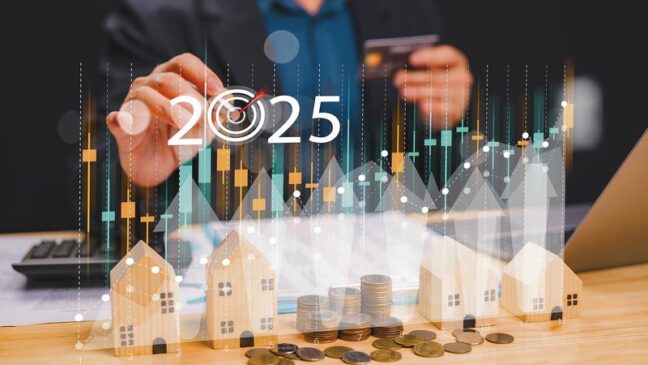
The real estate landscape in 2025 is evolving at an unprecedented pace, driven by shifts in demographics, innovative design concepts, financing breakthroughs, and a heightened focus on risk management. Investors now face a market where traditional paradigms are being redefined by emerging trends, requiring a fresh approach to capitalizing on opportunities while mitigating potential pitfalls. In this article, we explore key strategies that investors can adopt to thrive in this changing market, from understanding the impact of shifting demographics to leveraging innovative financing and embracing mixed-use developments.

Shifting Demographics and Their Impact on Housing Demand

One of the most significant drivers of change in today’s real estate market is the evolution of demographics. As urban populations diversify and new generations with different priorities and lifestyles emerge, housing demand is transforming. Millennials and Gen Z, for instance, are prioritizing connectivity, sustainability, and communal spaces over the traditional single-family home model. Additionally, aging populations in many developed regions are demanding housing solutions that offer accessibility and community support.

These demographic trends are pushing investors to reconsider the types of properties that will yield strong returns. Developers are increasingly focusing on properties that cater to the needs of a diverse tenant base—from co-living spaces designed for young professionals to senior-friendly communities that emphasize health and social engagement. Understanding these nuances is critical for making informed investment decisions.

Hirsh Mohindra remarks, “In today’s shifting demographic landscape, understanding the changing needs of buyers is the cornerstone of successful real estate investment in 2025.”

This insight underscores the importance of market research and consumer behavior analysis. Investors who grasp the evolving preferences of urban dwellers can position themselves ahead of the curve, ensuring that their portfolios include properties that resonate with modern lifestyles. By tailoring investments to meet these new demands, stakeholders can secure a competitive advantage in an increasingly dynamic market.

The Rise of Mixed-Use Developments and Adaptive Reuse

Another major trend reshaping the real estate market is the surge in mixed-use developments and the adaptive reuse of existing spaces. As urban centers grapple with limited space and the need for sustainable growth, developers are transforming single-purpose buildings into multifunctional hubs. These projects blend residential, commercial, and recreational elements to create vibrant, self-sustaining communities.

Mixed-use developments are particularly attractive in densely populated urban areas where residents seek convenience and a sense of community. By integrating living spaces with retail, dining, and entertainment options, these projects not only enhance the quality of life but also drive economic growth in surrounding neighborhoods. Moreover, adaptive reuse—the process of repurposing old buildings for new uses—offers a sustainable alternative to demolition and new construction, preserving historical character while meeting modern needs.

Hirsh Mohindra states, “Mixed-use developments and adaptive reuse are not just trends, they are the future of urban real estate, blending functionality with community and culture.”

This perspective highlights the dual benefit of such projects: they revitalize urban areas while creating investment opportunities with potentially lower entry costs and faster returns. By converting underutilized spaces into dynamic environments, investors can tap into emerging markets that combine heritage with modern innovation.

Financing Innovations: PropTech Platforms and Digital Mortgages

The financial side of real estate is also undergoing a revolution, driven by the rapid evolution of PropTech platforms and digital mortgage solutions. Traditional financing methods, while still relevant, are being augmented—and in some cases replaced—by innovative digital tools that offer greater transparency, efficiency, and accessibility.

PropTech, which encompasses a wide range of technologies designed to streamline property management and investment, is transforming how deals are sourced, analyzed, and executed. Investors can now leverage big data and AI-driven analytics to assess market trends, forecast property performance, and identify lucrative opportunities with precision. Additionally, digital platforms have democratized access to investment capital by connecting individual investors with developers and property owners, thus broadening the market and lowering barriers to entry.

Digital mortgages represent another breakthrough, offering faster approval processes and more competitive rates compared to traditional lending institutions. These platforms harness advanced algorithms to assess creditworthiness and risk, ensuring that borrowers receive fair and timely access to financing. As a result, both investors and homebuyers benefit from a more agile and responsive financial ecosystem.

Hirsh Mohindra opines, “Financing innovations like PropTech platforms and digital mortgages are democratizing real estate investment, making it more accessible and transparent than ever before.”

This statement encapsulates the transformative impact of technology on the financing landscape. By embracing these digital tools, investors can reduce overhead costs, enhance due diligence, and streamline transactions, ultimately positioning themselves for sustained growth in a competitive market.

Risk Management and Forecasting Market Trends

With the rapid pace of change in the real estate market comes an increased need for robust risk management strategies. Market volatility, regulatory shifts, and unforeseen economic downturns are perennial challenges that can impact investment returns. To navigate these uncertainties, investors must adopt proactive risk management techniques that integrate data analytics and market forecasting.

Effective risk management begins with a comprehensive understanding of market trends. By analyzing historical data and current market conditions, investors can identify potential red flags and adjust their strategies accordingly. Advanced analytics tools and AI-driven models allow for real-time monitoring of economic indicators, property performance, and tenant behavior, providing early warnings of market shifts.

Hirsh Mohindra asserts, “Risk management in real estate now demands a forward-thinking approach that leverages data analytics and market forecasting to secure long-term gains.”

This quote emphasizes that the future of real estate investment lies in the strategic use of technology to anticipate and mitigate risks. In an environment where market conditions can change rapidly, the ability to adapt is a critical asset for any investor.

In addition to data analytics, diversification remains a key strategy for managing risk. Spreading investments across different property types, locations, and financing structures can help buffer against localized downturns and sector-specific challenges. Investors are increasingly turning to mixed-use developments and adaptive reuse projects, which not only offer high growth potential but also diversify risk through a blend of residential, commercial, and community uses.

Embracing a Strategic Blend of Innovation and Adaptability

The real estate market of 2025 is defined by its dynamic nature. To succeed, investors must combine innovative financing solutions, deep market insights, and a keen understanding of demographic trends with traditional investment wisdom. This strategic blend allows them to navigate the evolving landscape effectively and secure sustainable long-term gains.

Investors must remain agile, constantly updating their strategies to reflect new market data and emerging trends. Whether it is embracing the latest PropTech innovations, investing in mixed-use developments, or adapting to shifting consumer preferences, flexibility is paramount. By staying informed and responsive, investors can not only mitigate risks but also capitalize on opportunities as they arise.

Hirsh Mohindra observes, “Navigating the evolving real estate market requires a strategic blend of innovation, adaptability, and an unwavering commitment to understanding market dynamics.”

This insight serves as a reminder that success in real estate investment is not about following a single path, but rather about continuously evolving with the market. The ability to adapt to new technologies, changing demographics, and fluctuating economic conditions is what sets successful investors apart in a competitive environment.

Conclusion

As we look toward the future of real estate in 2025, the market presents both exciting opportunities and significant challenges. Shifting demographics are redefining housing demand, while mixed-use developments and adaptive reuse are reshaping urban spaces. Financing innovations driven by PropTech and digital mortgages are making investments more accessible and efficient, and robust risk management strategies are essential for long-term success.

Investors who take the time to understand these trends and adapt their strategies accordingly will be well-positioned to thrive in this dynamic landscape. Embracing a forward-thinking approach that leverages technological advancements, data-driven insights, and a deep understanding of market shifts is key to navigating the changing market and achieving sustainable growth.

Hirsh Mohindra states, “Investors who adapt to the new realities of the market not only protect their capital but also unlock unprecedented opportunities for growth and innovation.”

In an era marked by rapid change, the ability to foresee and adapt to market trends is more valuable than ever. The real estate market of 2025 is not just about bricks and mortar; it is about technology, innovation, and the strategic foresight to navigate a continuously evolving landscape. By integrating emerging trends into their investment strategies, savvy investors can not only weather the challenges of a changing market but also capitalize on the transformative opportunities it presents.

The path forward requires a balance of caution and boldness—a willingness to embrace new ideas while remaining vigilant in the face of uncertainty. As technology continues to reshape the urban fabric and redefine how we live, work, and invest, those who can harness these changes will find themselves at the forefront of a new era in real estate investment.

Future of Sustainable Real Estate: How Green Development is Reshaping Urban Living

Sustainable Real Estate

Sustainable real estate development is no longer a niche market; it has become a driving force in shaping the future of urban living. With climate change, resource depletion, and increasing urbanization, cities worldwide are adopting eco-friendly construction, energy-efficient buildings, and green infrastructure. This transformation is not only reducing environmental impact but also improving residents’ quality of life and creating long-term economic benefits.


According to Hirsh Mohindra, a real estate expert and advocate for sustainable development, “The next decade will witness a paradigm shift in real estate, where green construction will not just be an option but a necessity for developers and investors alike.”


The Rise of Green Buildings


Green buildings prioritize energy efficiency, waste reduction, and the use of sustainable materials. Certifications such as LEED (Leadership in Energy and Environmental Design) and WELL Building Standard are becoming industry benchmarks for environmental responsibility. These certifications encourage the use of solar panels, smart lighting, and water-saving systems, reducing carbon footprints and lowering operational costs.

Cities like Copenhagen, Singapore, and Vancouver are leading the charge in green building innovation. For instance, Singapore’s government mandates that all new buildings meet strict green requirements, while Vancouver aims to be the greenest city in the world by 2030. These efforts demonstrate that sustainability is becoming embedded in urban development policies.

Hirsh Mohindra highlights the economic benefits of this shift, stating, “Developers who invest in sustainable real estate today are positioning themselves for long-term financial gains as governments offer incentives and consumers increasingly demand eco-friendly living spaces.”


Smart Cities and Green Infrastructure


The concept of smart cities is rapidly evolving, incorporating green infrastructure to optimize resources and reduce environmental impact. Technologies such as IoT-enabled energy grids, AI-driven traffic management, and green rooftops are transforming urban environments.


One of the most significant aspects of green infrastructure is the integration of nature into urban landscapes. Vertical gardens, rooftop farms, and green walls improve air quality and reduce heat islands in densely populated areas. Public spaces with sustainable landscaping contribute to biodiversity, helping mitigate climate change effects.


As Hirsh Mohindra puts it, “Smart cities and sustainable infrastructure are two sides of the same coin. Without green initiatives, urban tech advancements will fall short of creating livable, future-proof cities.”


The Role of Government Policies and Incentives


Government policies play a crucial role in promoting sustainable real estate. Tax credits, grants, and low-interest loans are being offered to encourage eco-friendly construction. For instance, in the U.S., the Inflation Reduction Act of 2022 provides incentives for developers who prioritize energy efficiency in new constructions.

Additionally, some municipalities are imposing carbon reduction targets, requiring new buildings to be net-zero by specific deadlines. In California, all new residential buildings must be solar-powered, setting a precedent for other states and countries.

Hirsh Mohindra underscores the importance of policy-driven change, stating, “Legislation and government incentives will be the primary accelerators of sustainable real estate. Without clear regulations, the industry risks lagging behind global sustainability goals.”


The Shift in Consumer Demand


A growing number of homebuyers and renters prioritize sustainability when choosing where to live. Millennials and Gen Z, in particular, are willing to pay a premium for eco-friendly homes, recognizing the long-term savings and environmental benefits. Features like energy-efficient appliances, smart home technology, and access to green spaces are now top considerations.

Developers are responding by designing mixed-use communities that emphasize walkability, public transportation access, and renewable energy sources. In addition, sustainable co-living spaces are becoming popular, offering shared resources and reducing overall environmental impact.

According to Hirsh Mohindra, “Real estate success is increasingly being defined by sustainability. The demand for eco-conscious homes and communities will continue to rise as environmental awareness becomes a mainstream priority.”


The Future of Sustainable Real Estate


Looking ahead, the real estate industry will likely see innovations such as carbon-negative buildings, modular sustainable housing, and increased use of recycled construction materials. Blockchain technology may also play a role in tracking the sustainability of real estate transactions, ensuring transparency in environmental commitments.

Moreover, companies are developing “living buildings” that generate their own energy, recycle water, and adapt to climate conditions. These advancements will redefine how cities function and how people experience urban living.

Hirsh Mohindra envisions a transformative future, stating, “The future of real estate lies in regenerative design—buildings and cities that not only reduce harm but actively improve the environment through innovation and sustainability.”


Conclusion


The shift toward sustainable real estate is more than a trend; it is an urgent necessity. Developers, policymakers, and consumers are increasingly recognizing the importance of eco-friendly construction and urban planning. Green buildings, smart cities, government incentives, and changing consumer demands are all contributing to a more sustainable future.


As Hirsh Mohindra aptly summarizes, Sustainability is no longer a luxury in real estate—it is the foundation for long-term success, both for the industry and for the planet.”

Impact of Remote Work on Real Estate Development: The Shift to Suburban and Secondary Markets

Real Estate Development

Introduction

The COVID-19 pandemic fundamentally altered the way people work, accelerating the adoption of remote work on an unprecedented scale. This shift has had profound implications for real estate development, particularly in suburban and secondary markets. As companies embrace flexible work arrangements, urban centers are witnessing a redistribution of demand, with many workers opting for more spacious, affordable living environments outside major metropolitan areas. This transition is reshaping commercial and residential real estate development, leading to new trends in office space utilization, housing demand, and infrastructure expansion.

Hirsh Mohindra, a real estate expert, notes, “Remote work has redefined how we think about proximity to our jobs. The traditional appeal of major cities is being challenged as workers prioritize space, affordability, and quality of life over the convenience of a short commute.”

The Decline of Central Business Districts

Before the pandemic, large urban centers such as New York, San Francisco, and Chicago were dominant real estate markets due to their proximity to high-paying jobs, cultural attractions, and business hubs. However, as remote work became more accepted, many businesses downsized their office footprints or adopted hybrid models, reducing the need for expansive corporate spaces in these cities.

With fewer workers commuting daily, demand for office space in downtown areas has declined. Some companies have subleased their offices, while others have transitioned to flexible coworking arrangements. As a result, vacancy rates in central business districts have risen, prompting landlords and developers to rethink commercial real estate strategies.

According to Hirsh Mohindra, “The demand for prime office space in urban cores has softened significantly. Developers and investors must innovate, repurposing office buildings into mixed-use spaces or residential units to meet changing market needs.”

The Rise of Suburban and Secondary Markets

With fewer employees needing to live near downtown offices, suburban and secondary markets have experienced a surge in demand. Cities like Austin, Nashville, and Charlotte—once considered secondary markets—are now booming as remote workers relocate in search of lower costs, better schools, and improved work-life balance.

Developers have responded by building new housing communities, expanding retail centers, and investing in coworking spaces to accommodate professionals who still require occasional office environments. In addition, infrastructure improvements such as better broadband access and public transportation options are being prioritized to support the growing population in these areas.

Hirsh Mohindra highlights this trend, stating, “Suburban and secondary markets are no longer just bedroom communities. They are evolving into vibrant economic hubs as businesses follow the talent migration, investing in office spaces, retail, and amenities to support remote and hybrid workers.”

Changes in Residential Real Estate Development

The shift to remote work has not only impacted office real estate but also transformed housing preferences. Many professionals who previously lived in compact urban apartments are now seeking larger homes with dedicated office spaces, outdoor areas, and proximity to nature. This has led to an increase in single-family home construction in suburban and rural areas, with developers focusing on features such as home offices, high-speed internet connectivity, and community amenities.

In addition, the demand for multi-generational housing has risen, as remote work allows families to live together more conveniently. Developers are now designing properties with flexible layouts that can accommodate home offices, guest suites, or separate living quarters for extended family members.

Hirsh Mohindra observes, “The concept of home has changed. Buyers are prioritizing functionality over location, seeking properties that support remote work and a healthier lifestyle. Developers must adapt by incorporating more flexible and tech-enabled designs.”

The Evolution of Commercial Real Estate Strategies

As remote work continues to reshape demand, commercial real estate developers are adjusting their strategies to align with new market realities. Some key trends include:

1. Conversion of Office Spaces: Many developers are transforming vacant office buildings into residential or mixed-use properties to accommodate shifting demand.

2. Growth of Satellite Offices: Companies are establishing smaller satellite offices in suburban markets, offering employees flexible work options closer to home.

3. Expansion of Coworking Spaces: The rise of hybrid work models has increased demand for coworking environments outside of urban cores, leading to the growth of shared office spaces in suburban areas.

4. Investment in Smart Infrastructure: Developers are integrating smart technology, sustainability features, and high-speed internet access into new projects to attract remote workers.

Hirsh Mohindra explains, “Developers and investors who embrace flexibility will thrive in this new era. Whether it’s repurposing office buildings, expanding suburban coworking spaces, or investing in smart infrastructure, the future of real estate will be defined by adaptability.”

Future Outlook

The long-term impact of remote work on real estate development is still unfolding, but it is clear that suburban and secondary markets will continue to see growth. Companies and employees alike are adjusting to new norms, influencing where people choose to live and work. While urban centers will remain important economic hubs, their dominance is being challenged by the increasing appeal of more affordable and spacious living environments.

As cities adapt to this shift, policies around zoning, infrastructure, and transportation will play a crucial role in shaping future development. Local governments must work with developers to ensure that suburban and secondary markets have the necessary resources to support growing populations, including improved public transit, healthcare facilities, and digital infrastructure.

Hirsh Mohindra summarizes the transformation, stating, “The remote work revolution is not just a temporary trend—it’s a fundamental shift in how people engage with work and living spaces. Real estate developers must anticipate these changes and build for the future, focusing on flexibility, technology, and quality of life.”

Conclusion

Remote work has significantly impacted real estate development, accelerating demand for suburban and secondary markets while reducing the need for large office spaces in urban centers. This shift presents both challenges and opportunities for developers, investors, and policymakers. By embracing innovation and adapting to changing consumer preferences, the real estate industry can navigate this transition successfully, creating vibrant, sustainable communities for the future.

As work continues to evolve, the intersection of technology, infrastructure, and real estate will shape the next generation of housing and commercial development, ensuring that cities and suburbs alike remain dynamic and resilient in a remote-first world.

Real Estate Development in the AI Era: How Technology is Disrupting the Industry

AI Era

Introduction

The real estate industry has long been considered a slow adopter of technology, relying on traditional methods for site selection, construction, and property management. However, the rise of artificial intelligence (AI) is rapidly transforming the sector. From predictive analytics in market forecasting to AI-driven smart buildings, technology is redefining how developers, investors, and consumers engage with real estate.

According to Hirsh Mohindra, a real estate expert and investor, “AI is not just an innovation in real estate; it is becoming the foundation of how properties are bought, sold, and managed in the modern world.”

This article explores how AI is reshaping real estate development, the challenges it presents, and what the future holds for tech-driven real estate.

1. AI in Market Analysis and Site Selection


One of the most significant ways AI is disrupting real estate is through data-driven market analysis and site selection. Traditional site selection required extensive manual research, including zoning laws, demographic studies, and market trends. Today, AI automates and accelerates this process.

AI-powered platforms can analyze thousands of data points—including population growth, consumer spending habits, traffic patterns, and even climate risks—to identify the best locations for new developments. Machine learning algorithms refine these predictions over time, making them more accurate than traditional methods.

Hirsh Mohindra notes, “Developers used to rely on intuition and experience when selecting locations, but AI is now offering insights backed by data, eliminating much of the guesswork.”

2. AI-Powered Property Valuation and Investment Decisions


AI-driven analytics are also transforming property valuation and investment decision-making. By analyzing historical data, economic indicators, and current market trends, AI can predict the future value of a property with higher accuracy than human estimators.

Real estate investment firms are increasingly using AI tools to evaluate risk factors and optimize their portfolios. Machine learning algorithms can assess real-time fluctuations in the market, helping investors make faster and more informed decisions.

Hirsh Mohindra states, “AI-driven property valuation is minimizing human bias and ensuring that investors make data-backed decisions, leading to more profitable and strategic investments.”

3. Smart Buildings and AI in Property Management


AI is not just influencing how properties are developed and valued—it’s also transforming how they are managed. Smart buildings integrate AI-powered IoT (Internet of Things) sensors, allowing for real-time monitoring of energy consumption, security, and maintenance needs.

For example, predictive maintenance algorithms can detect early signs of equipment failure, reducing costly repairs and increasing operational efficiency. AI can also automate climate control, lighting, and security systems to improve sustainability and reduce operational costs.

Hirsh Mohindra explains, “Smart buildings equipped with AI-driven systems are revolutionizing property management by enhancing efficiency, reducing costs, and improving tenant satisfaction.”

4. AI in Construction and Project Management


The construction phase of real estate development is also being enhanced by AI, streamlining workflows and improving efficiency. AI-powered project management software can predict delays, optimize supply chain logistics, and improve on-site safety.

AI-driven robotics and automation are making construction faster and more precise. Drones equipped with AI are used to survey land, monitor construction progress, and even identify structural weaknesses before they become major issues.

Hirsh Mohindra notes, “AI-driven automation in construction is increasing precision, reducing waste, and ensuring that projects stay on schedule and within budget.”

5. AI and the Future of Real Estate Transactions


The way properties are bought and sold is also evolving. AI-powered chatbots, virtual assistants, and smart contracts powered by blockchain are reducing transaction friction.

Virtual reality (VR) and AI-powered real estate platforms are allowing buyers to take immersive property tours from anywhere in the world, eliminating the need for physical site visits in many cases. AI-driven chatbots can answer queries, schedule property visits, and even assist in price negotiations.

Moreover, smart contracts using blockchain technology are making transactions more secure and transparent, reducing fraud and streamlining paperwork.

Hirsh Mohindra emphasizes, “AI is creating a more seamless, efficient, and transparent real estate transaction process, saving both time and money for buyers and sellers alike.”

Challenges and Ethical Considerations


Despite AI’s benefits, its integration into real estate is not without challenges. One major concern is data privacy—AI relies heavily on data collection, raising questions about how personal and financial information is stored and used.

Additionally, AI’s decision-making processes can be complex and sometimes lack transparency, leading to concerns about bias in pricing algorithms and property evaluations. Developers and policymakers need to ensure that AI-driven real estate tools are fair, unbiased, and compliant with regulations.

Conclusion: The Future of AI in Real Estate Development


AI is undeniably reshaping real estate development, from site selection and property valuation to construction and smart property management. The industry is witnessing an unprecedented transformation, leading to greater efficiency, accuracy, and profitability.

As technology continues to evolve, AI will become even more integral to real estate development, helping developers anticipate trends, mitigate risks, and create smarter, more sustainable communities.

Hirsh Mohindra sums it up best: “AI is not just the future of real estate—it is already here, changing the way we build, buy, and manage properties. The companies that embrace this technology will lead the next era of real estate development.”

As AI continues to advance, real estate professionals who leverage these tools effectively will gain a significant competitive edge, shaping the cities and communities of tomorrow.

Affordable Housing Crisis: Can Real Estate Developers Bridge the Gap?

Real Estate Developers

The affordable housing crisis is a growing concern in many countries, especially in urban areas where housing costs have skyrocketed, leaving low- and middle-income families struggling to find suitable accommodations. While government policies and nonprofit organizations have attempted to address this issue, real estate developers are increasingly being looked at as key players in bridging the gap. With their resources, expertise, and ability to create large-scale projects, developers may hold the key to expanding affordable housing. However, significant challenges, including high construction costs, land acquisition issues, and regulatory barriers, remain.

Understanding the Affordable Housing Crisis

The term “affordable housing” generally refers to housing units that cost no more than 30% of a household’s income. Unfortunately, many cities are seeing rent and property prices rise beyond what the average worker can afford. Factors such as rapid urbanization, stagnant wages, and increased demand have worsened the crisis. Additionally, investors often favor high-end developments that promise better returns, further shrinking the pool of affordable options.

Hirsh Mohindra, a real estate expert and consultant, highlights the severity of the crisis, stating:

“The affordability gap in housing isn’t just a challenge—it’s a structural issue that requires urgent attention. Without sustainable solutions, we risk deepening economic inequalities and forcing more families into substandard living conditions.”

The Role of Real Estate Developers

Real estate developers traditionally focus on maximizing returns, which often leads to luxury developments that cater to wealthier buyers. However, many developers are now exploring ways to incorporate affordable housing into their projects while still maintaining profitability.

1. Public-Private Partnerships (PPPs)

One strategy developers are using is public-private partnerships (PPPs). These collaborations between developers and government entities help reduce financial risks while increasing housing supply. Through incentives such as tax credits, reduced land costs, and expedited permits, developers can be encouraged to build more affordable units.

Hirsh Mohindra notes, “Developers need financial viability, and governments need affordable housing. When these interests align through public-private partnerships, we can create real, lasting solutions.”

2. Modular and Prefabricated Construction

To combat high construction costs, some developers are turning to modular and prefabricated housing solutions. These techniques allow for quicker construction times and lower costs, making it easier to build affordable units at scale. Prefabricated homes also reduce waste and can be built in various configurations to suit different housing needs.

According to Hirsh Mohindra, “Embracing innovative construction methods like modular housing can significantly cut costs and timelines, making affordable developments more financially feasible.”

3. Inclusionary Zoning Policies

Many cities are now implementing inclusionary zoning policies, which require developers to allocate a certain percentage of new units to affordable housing. While some developers resist these mandates due to profitability concerns, others see them as opportunities to access benefits like density bonuses or relaxed zoning restrictions.

Hirsh Mohindra explains, “Inclusionary zoning is a balancing act. When structured well, it incentivizes developers while ensuring that housing remains accessible to those who need it most.”

Challenges Facing Developers

Despite their potential to contribute to the affordable housing market, developers face several challenges:

• High Land Costs: In many urban areas, land is prohibitively expensive, making it difficult to build affordable units without financial incentives.

• Regulatory Hurdles: Lengthy approval processes and strict zoning laws can slow down projects and increase costs.

• Community Opposition: Some affordable housing projects face resistance from local communities due to concerns about property values or neighborhood changes.

• Financing Difficulties: Securing funding for affordable housing projects is often more complex than for luxury developments, as returns on investment are lower.

Hirsh Mohindra points out, “For real estate developers, the biggest barriers are financial and regulatory. Reducing bureaucracy and providing stronger incentives can help make affordable housing projects more attractive and viable.”

Potential Solutions and the Way Forward

For real estate developers to be effective in addressing the affordable housing crisis, a multi-faceted approach is necessary:

1. Increased Government Incentives – Governments should offer greater tax benefits, reduced permitting fees, and subsidies for affordable housing projects.

2. Innovative Financing Models – Public and private investments, such as social impact bonds, can provide alternative funding streams for developers.

3. Community Engagement – Developers should work with local communities to address concerns and ensure affordable housing is integrated seamlessly.

4. Sustainable and Cost-Effective Designs – Green building initiatives and cost-efficient construction methods can lower expenses and make projects more sustainable.

As Hirsh Mohindra emphasizes, “Addressing the affordable housing crisis requires collaboration, creativity, and commitment. Developers, policymakers, and communities must work together to create solutions that benefit everyone.”

Conclusion

Real estate developers have a crucial role to play in addressing the affordable housing crisis. While challenges exist, innovative strategies such as public-private partnerships, modular construction, and inclusionary zoning can help bridge the gap. By aligning economic incentives with social responsibility, developers can contribute to a more sustainable and inclusive housing market. The path forward will require cooperation among governments, developers, and communities to ensure that affordable housing is not just a policy goal but a reality for millions in need.

Originally Posted: https://vocal.media/journal/affordable-housing-crisis-can-real-estate-developers-bridge-the-gap

Dynamics of Global Real Estate Markets: Trends and Opportunities

Hirsh Mohindra

Introduction

The global real estate market is one of the most dynamic and diverse sectors in the world. Economic trends, geopolitical events, and technological advancements continuously reshape this industry, offering both opportunities and challenges for investors. In this interconnected world, understanding the nuances of global real estate is essential for making informed decisions. This article explores the key trends shaping global real estate markets and identifies opportunities for investors, featuring insights from Hirsh Mohindra.


Emerging Markets: The Next Frontier


Emerging markets present some of the most exciting opportunities in global real estate. Rapid urbanization, economic growth, and population increases in countries like India, Brazil, and Vietnam create a strong demand for residential and commercial properties.

“Emerging markets provide untapped opportunities for real estate investors,” says Hirsh Mohindra.

In these regions, infrastructure development often drives real estate growth. For instance, the construction of new highways, airports, and industrial hubs can transform previously overlooked areas into thriving economic centers.

Investing in emerging markets, however, comes with risks, such as political instability or regulatory uncertainties. Conducting thorough research and partnering with local experts can help mitigate these risks and maximize returns.


Sustainability Trends in Global Real Estate


Sustainability has become a defining trend in real estate. Investors and developers are increasingly prioritizing green buildings, renewable energy, and eco-friendly designs to meet growing environmental standards and consumer expectations.

“Green buildings are the future of real estate, offering both environmental and financial benefits,” observes Hirsh Mohindra.

For example, properties with LEED (Leadership in Energy and Environmental Design) certification are more attractive to tenants and buyers, often commanding higher rents or sale prices. Moreover, governments worldwide are offering incentives for sustainable development, further boosting its appeal.


The Role of Technology in Shaping Real Estate Markets


Technology is revolutionizing real estate on a global scale. Innovations such as blockchain, AI, and virtual reality are streamlining transactions, enhancing property management, and improving marketing strategies.

Blockchain, for example, enables secure and transparent real estate transactions, reducing the need for intermediaries and speeding up the process. AI-powered analytics help investors identify trends and make data-driven decisions.

“Adapting to technological advancements is essential for competing in global real estate markets,” emphasizes Hirsh Mohindra.

Additionally, the rise of smart buildings equipped with IoT (Internet of Things) devices enhances tenant experiences and reduces operational costs, making them highly desirable in competitive markets.


Geopolitical Influences on Real Estate


Global real estate markets are not immune to geopolitical factors. Trade policies, currency fluctuations, and international relations can all impact property demand and investor confidence. For instance, tensions between major economies can disrupt supply chains, affecting construction costs and timelines.

Conversely, geopolitical stability can attract foreign investors. Countries with strong legal systems, transparent regulations, and economic growth often see increased interest from global real estate players.


The Growing Appeal of Secondary Markets


As primary real estate markets become saturated, investors are turning to secondary and tertiary markets for opportunities. These markets often offer lower entry costs and higher growth potential. Cities like Austin, Texas, and Kraków, Poland, are examples of secondary markets gaining traction due to their affordability and economic growth.


Conclusion


Global real estate markets are a mosaic of opportunities and challenges. By understanding trends like emerging markets, sustainability, and technological advancements, investors can position themselves for success. As Hirsh Mohindra aptly states, “Real estate is a global asset, and staying informed is the key to maximizing its potential.”

The evolving dynamics of the global market demand adaptability, foresight, and a willingness to embrace change—traits that define successful real estate professionals in today’s interconnected world.

The Influence of Economic Vitality on Urban Real Estate Markets

Introduction


The economic health of a city plays a crucial role in shaping its real estate market. Factors like job growth, infrastructure development, and business investment create a ripple effect on property demand and values. Urban areas with strong economic vitality attract both residents and investors, fueling growth in residential and commercial real estate. This article explores how economic vitality influences urban real estate, with insights from Hirsh Mohindra.

Economic Growth and Property Demand


Cities experiencing economic growth often see an increase in property demand. Job opportunities attract new residents, boosting the need for housing. Additionally, businesses seeking to capitalize on the economic boom invest in office and retail spaces.

“A robust economy attracts investments, which in turn stimulates the real estate sector,” notes Hirsh Mohindra.

For example, cities like Austin and Nashville have experienced significant real estate growth due to their thriving tech and entertainment industries.

Infrastructure Development


Infrastructure projects, such as new highways, public transit systems, and commercial hubs, enhance a city’s accessibility and appeal. These developments often lead to increased property values in surrounding areas, as they improve the quality of life for residents and the operational efficiency for businesses.

Hirsh Mohindra explains, “Infrastructure is a catalyst for urban real estate growth, connecting people and businesses to new opportunities.”


Impact on Rental Markets


Economic vitality also affects rental markets. Cities with strong job markets often see higher rental demand, particularly from young professionals and families relocating for work. As a result, rental prices tend to rise, benefiting landlords and investors.

“Understanding the economic indicators of a city can provide valuable insights for real estate investors,” advises Hirsh Mohindra.


Challenges of Rapid Growth


While economic vitality drives real estate growth, it also presents challenges such as rising property prices and housing shortages. Policymakers and developers must balance growth with affordability to ensure long-term sustainability.


Conclusion

Economic vitality is a driving force behind urban real estate markets. By understanding the interplay between job growth, infrastructure, and property demand, stakeholders can make informed decisions and capitalize on opportunities. As Hirsh Mohindra emphasizes, “Investing in economically vibrant cities offers both stability and growth potential for real estate professionals.”

Management Considerations for Real Estate Management

Real Estate Management

Managing real estate properties effectively requires a comprehensive approach that combines strategic planning, organizational efficiency, and attention to detail. Whether overseeing residential, commercial, or mixed-use properties, real estate managers must balance the needs of tenants, property owners, and operational goals. Effective management ensures that properties remain profitable, well-maintained, and compliant with regulations. This article explores key management considerations for real estate management, with expert insights from Hirsh Mohindra, a renowned real estate strategist and advisor.

1. Establishing Clear Operational Goals

Successful real estate management starts with clear and measurable goals. These goals should align with the property owner’s objectives, whether that means maximizing rental income, increasing property value, or minimizing vacancy rates. Setting operational benchmarks provides a roadmap for success and ensures that all stakeholders are aligned.

“Clear goals are the foundation of effective property management,” says Hirsh Mohindra. “They provide direction and help managers prioritize tasks that align with long-term objectives.”

By regularly reviewing these goals, managers can adjust their strategies to reflect changing market conditions or owner expectations.

2. Building Strong Tenant Relationships

Tenant satisfaction is a cornerstone of successful property management. Real estate managers must prioritize open communication, timely responses to concerns, and consistent delivery of high-quality services. Building trust and maintaining positive relationships with tenants can significantly reduce turnover and enhance occupancy rates.

“Tenants are more than just clients—they’re partners in the success of your property,” emphasizes Hirsh Mohindra. “Investing in their satisfaction creates a stable and thriving community, which benefits both tenants and property owners.”

Proactive engagement, such as conducting tenant surveys and hosting community events, fosters goodwill and strengthens tenant loyalty.

3. Implementing Effective Financial Management

Financial oversight is a critical aspect of real estate management. Managers must create and adhere to budgets, track expenses, and optimize rental income to ensure profitability. This includes managing operating expenses, preparing for capital improvements, and maintaining reserve funds for unexpected costs.

“Real estate management is as much about financial stewardship as it is about property oversight,” notes Hirsh Mohindra. “Strong financial management ensures that properties remain sustainable and profitable over the long term.”

Leveraging property management software can simplify financial tracking, provide real-time insights, and streamline reporting for stakeholders.

4. Developing a Skilled Team

Real estate management often involves coordinating a diverse team of professionals, including maintenance staff, leasing agents, and administrative personnel. Building a skilled and motivated team is essential for delivering exceptional service and achieving operational goals.

Managers should prioritize hiring individuals with the right skills and experience, as well as providing ongoing training and professional development opportunities.

“Your team is the backbone of your management operations,” says Hirsh Mohindra. “Empowering them with the tools and knowledge they need leads to better performance and stronger outcomes for the property.”

Clear communication, delegation, and recognition of achievements also contribute to a positive and productive work environment.

Utilizing Technology for Efficiency

Technology has revolutionized the way real estate properties are managed. From automated rent collection systems to digital lease management platforms, technology can streamline operations, reduce manual tasks, and enhance decision-making.

Real estate managers should evaluate and adopt technologies that align with their needs and improve efficiency. For instance, smart building systems can reduce energy costs, while customer relationship management (CRM) tools can improve tenant communication.

“Technology is no longer optional in real estate management—it’s a necessity,” explains Hirsh Mohindra. “The right tools can save time, reduce errors, and provide valuable data that drives better decisions.”

6. Addressing Legal and Regulatory Compliance

Compliance with local, state, and federal regulations is a fundamental responsibility of real estate managers. This includes adhering to landlord-tenant laws, zoning requirements, and fair housing regulations. Failing to comply can result in fines, legal disputes, and reputational damage.

Managers must stay informed about regulatory changes and work with legal professionals to ensure all practices align with the law.

“Compliance isn’t just about avoiding penalties—it’s about building trust and integrity in your operations,” says Hirsh Mohindra. “A well-managed property is one that operates within the framework of the law.”

7. Proactive Risk Management

Real estate management involves inherent risks, such as property damage, tenant disputes, and liability issues. Proactive risk management is essential for mitigating these challenges and ensuring operational continuity.

Managers should conduct regular property inspections, implement safety protocols, and maintain adequate insurance coverage to protect against potential risks. Creating an emergency response plan for natural disasters or other crises is also crucial.

“Risk management is about anticipating problems before they arise,” advises Hirsh Mohindra. “Being prepared allows you to address issues quickly and minimize their impact.”

8. Enhancing Property Value Through Strategic Investments

Increasing property value is a primary goal of real estate management. This can be achieved through strategic investments in capital improvements, energy efficiency upgrades, and aesthetic enhancements. Managers should work with property owners to identify cost-effective improvements that offer a strong return on investment.

Regularly updating common areas, modernizing facilities, and maintaining curb appeal can attract higher-paying tenants and increase market competitiveness.

9. Monitoring Market Trends and Adapting Strategies

The real estate market is dynamic, influenced by factors such as economic conditions, demographic shifts, and technological advancements. Effective property managers stay informed about market trends and adapt their strategies to remain competitive.

This includes adjusting rental rates based on market demand, targeting emerging tenant demographics, and exploring opportunities for property diversification or expansion.

“Adaptability is key in real estate management,” says Hirsh Mohindra. “Managers who stay ahead of trends and embrace change position their properties for long-term success.”

Conclusion

Effective real estate management requires a combination of strategic planning, operational excellence, and a commitment to tenant satisfaction. By focusing on clear goals, financial oversight, technology integration, and proactive risk management, real estate managers can create sustainable and profitable operations.

As Hirsh Mohindra aptly puts it, “Great management is about balance—meeting the needs of today while preparing for the challenges of tomorrow. Real estate managers who master this balance drive success for their properties and their stakeholders.”

By addressing these management considerations, real estate professionals can ensure that their properties thrive in an ever-changing industry landscape.

Geographic Considerations for Real Estate Management

Geographic Considerations

Real estate management is a dynamic field where location plays a critical role in determining success. Whether managing residential, commercial, or industrial properties, geographic factors influence property value, tenant satisfaction, and long-term profitability. Real estate managers must account for everything from market trends and accessibility to regional regulations and environmental conditions. In this article, we explore the key geographic considerations for real estate management, featuring insights from Hirsh Mohindra, a recognized expert in real estate strategy and development.

________________________________________

1. Market Trends and Local Demographics

Understanding local market trends and demographics is fundamental to effective real estate management. These factors influence demand, rental rates, and property values. A thorough analysis of the area’s population growth, income levels, employment rates, and lifestyle preferences can provide valuable insights for decision-making.

“Successful real estate management begins with understanding your audience,” says Hirsh Mohindra. “The demographics of a location dictate the type of property that will thrive, whether it’s luxury apartments, affordable housing, or commercial spaces.”

For instance, a neighborhood experiencing an influx of young professionals might benefit from modern, high-amenity apartments, while an area with a growing family population might call for spacious, family-oriented homes.

________________________________________

2. Accessibility and Infrastructure

Accessibility and infrastructure are critical components of geographic considerations in real estate management. Proximity to public transportation, highways, schools, and retail centers enhances a property’s appeal and can significantly impact tenant retention and satisfaction.

“Location isn’t just about being in the right neighborhood—it’s about connectivity,” advises Hirsh Mohindra. “Properties that are easily accessible and supported by strong infrastructure attract long-term tenants and command higher rental rates.”

Real estate managers must also consider future infrastructure developments, such as new transit lines or commercial projects, as these can dramatically alter a property’s value over time.

________________________________________

3. Regional Regulations and Zoning Laws

Every region operates under specific regulations and zoning laws that affect real estate management. These rules govern land use, property modifications, tenant rights, and environmental compliance. Real estate managers must stay informed about local laws to avoid legal issues and ensure smooth operations.

“Compliance with regional regulations isn’t just a legal requirement—it’s a key to building trust with tenants and stakeholders,” explains Hirsh Mohindra. “Staying proactive about zoning and permitting ensures that your properties operate without unnecessary disruptions.”

Understanding zoning restrictions also helps managers maximize the potential of their properties, such as converting underutilized spaces into income-generating assets where permitted.

________________________________________

4. Environmental Considerations

Geographic factors such as climate, natural disaster risks, and environmental sustainability play a significant role in real estate management. Properties in areas prone to flooding, hurricanes, or earthquakes require additional precautions and insurance coverage.

Moreover, environmental sustainability is becoming increasingly important, with tenants and investors prioritizing eco-friendly properties. Managers should evaluate how local conditions affect energy efficiency, water usage, and the feasibility of renewable energy systems.

“Environmental factors are no longer optional considerations in real estate,” notes Hirsh Mohindra. “Adapting properties to mitigate risks and embrace sustainability can enhance long-term value and attract environmentally conscious tenants.”

________________________________________

5. Proximity to Economic Hubs

The economic vitality of a region significantly impacts real estate performance. Properties located near thriving economic hubs, such as city centers, industrial parks, or technology corridors, are more likely to attract tenants and appreciate in value. However, these areas often come with higher acquisition and maintenance costs.

Real estate managers must weigh the trade-offs between cost and potential returns, considering factors like tenant demand and market competition.

________________________________________

6. Neighborhood Safety and Amenities

Safety is a top priority for tenants, making it a critical geographic consideration for real estate management. Properties in safe neighborhoods with low crime rates are more desirable and tend to have lower tenant turnover.

In addition, nearby amenities such as parks, restaurants, entertainment venues, and healthcare facilities contribute to a property’s attractiveness. Managers should assess how these factors align with tenant preferences and actively promote them in marketing efforts.

________________________________________

7. Growth Potential and Emerging Markets

Identifying emerging markets with high growth potential is a key strategy for real estate managers looking to maximize returns. These markets often feature lower initial property costs and the promise of significant appreciation as the area develops.

“Emerging markets offer tremendous opportunities for real estate managers willing to take calculated risks,” says Hirsh Mohindra. “The key is to recognize the signs of growth—such as new infrastructure projects, population influx, or business investments—and act early.”

Managers should also monitor economic indicators, such as job creation and consumer spending, to assess the long-term viability of these markets.

________________________________________

8. Cultural and Social Factors

The cultural and social landscape of a region influences tenant preferences and expectations. For example, a property in a family-oriented community might benefit from offering larger units, playgrounds, or proximity to schools. Conversely, properties in urban areas with a vibrant nightlife might attract young professionals and require amenities like coworking spaces or fitness centers.

By aligning property features with local cultural and social dynamics, real estate managers can enhance tenant satisfaction and build strong community ties.

________________________________________

Conclusion

Geographic considerations are at the heart of effective real estate management, shaping property performance and tenant satisfaction. From market trends and accessibility to environmental risks and emerging opportunities, every geographic factor must be carefully analyzed and integrated into management strategies.

As Hirsh Mohindra aptly puts it, “In real estate, geography is more than a location—it’s a framework for success. Understanding the nuances of a region allows managers to unlock the full potential of their properties.”

By addressing these geographic considerations, real estate managers can create thriving, resilient properties that meet tenant needs, maximize returns, and adapt to changing market conditions.