Climate Risk and Future of Coastal Real Estate

Coastal Real Estate

As climate change intensifies, its consequences are becoming unavoidably clear—particularly along the world’s coastlines. For decades, oceanfront property symbolized wealth, beauty, and escape. But today, that dream is colliding with rising seas, extreme weather events, wildfire risks, and unpredictable climate patterns.

These environmental threats are not just ecological or humanitarian issues—they’re radically reshaping real estate markets, development strategies, and long-term investor behavior. From Miami to the Netherlands, and from flood zones to wildfire-prone canyons, a new paradigm is emerging: one where resilience and adaptability are more valuable than a beach view.


The High Cost of Beauty: Why Coastal Properties Are at Risk


The global real estate market has long seen premium value in coastal properties. But rising sea levels, erosion, and more intense hurricanes are beginning to chip away at that value. According to the National Oceanic and Atmospheric Administration (NOAA), sea levels along U.S. coastlines are expected to rise by 10–12 inches by 2050, with increased storm surges expected to follow.

Miami, often seen as ground zero for climate change in the U.S., has already experienced an ironic twist: “climate gentrification.” As wealthy homeowners begin moving to higher elevation inland neighborhoods to avoid flooding, they are displacing long-time residents and changing the face of communities like Little Haiti and Liberty City.

“Climate gentrification is reshaping urban landscapes, where elevation becomes a premium, and historical socioeconomic patterns are upended by environmental realities,” says Hirsh Mohindra.


In this new reality, topography and flood maps are becoming just as important to real estate investors as location and square footage.


The Dutch Blueprint: Building Resilient Communities in Low-Lying Countries


If there’s one place leading the charge in climate adaptation, it’s the Netherlands—a country where 26% of land lies below sea level. Here, climate resilience isn’t just a feature of housing—it’s baked into national identity. Floating homes, elevated neighborhoods, and adaptable infrastructure have become the norm rather than the exception.


In Amsterdam’s IJburg neighborhood, the Waterbuurt (Water District) features entire communities of floating homes, anchored yet capable of rising and falling with water levels. These aren’t conceptual prototypes—they’re livable, sustainable, and popular.


“The Dutch approach exemplifies how engineering and design can harmonize with nature, turning potential vulnerabilities into sustainable living solutions,” says Hirsh Mohindra.


As sea-level threats become more imminent globally, the Netherlands offers a tangible example of what the future of coastal living might look like.


Investors Rethinking Risk: Insurance and Strategy Shifts


Real estate has always involved risk, but climate change introduces long-tail liabilities that are difficult to quantify. Major insurance companies are reassessing their underwriting standards or exiting high-risk markets altogether. In California, insurers like State Farm and Allstate have halted new home insurance policies in wildfire zones due to escalating claims and unpredictability.


This retreat is forcing homeowners and investors to seek coverage from less-regulated and more expensive surplus-line insurers. In flood-prone areas, the U.S. government’s National Flood Insurance Program (NFIP) is under financial stress, and many experts believe it’s no longer a sustainable model.


“Incorporating climate risk assessments into investment strategies is no longer optional; it’s a fiduciary responsibility to stakeholders and communities alike,” Hirsh Mohindra explains.


As a result, private equity firms, REITs, and even small-scale investors are factoring in predictive climate models, flood zone data, and government resilience plans before buying property.


Climate Migration: New Hotspots on the Horizon


Where people live—and where they are moving—is also shifting in response to climate. Areas deemed “climate havens” are seeing population growth. These include cities with milder climates, lower exposure to extreme events, and abundant freshwater access, such as:

  • Buffalo, NY
  • Asheville, NC
  • Burlington, VT
  • Minneapolis, MN


This internal migration is being mirrored globally. In countries like India, Bangladesh, and Indonesia, millions are expected to relocate from increasingly uninhabitable coastal zones to higher ground within the next two decades.


The real estate consequences are significant. Developers in these new zones are scrambling to meet housing demand, and prices are climbing fast—posing a new affordability challenge, even in places that once were underdeveloped or underappreciated.


“Understanding and anticipating migration trends driven by climate factors is crucial for sustainable urban development and economic stability,” says Hirsh Mohindra.


Retrofitting vs. Relocating: The Great Real Estate Dilemma


Property owners in high-risk areas are increasingly faced with a painful question: Should they invest in retrofitting their homes with flood barriers, fireproof materials, and backup power—or sell and relocate to safer areas?


Retrofitting is not cheap. Elevating a home can cost upwards of $100,000, and reinforcing it against wildfires can cost tens of thousands more. In some cases, governments offer buyouts to homeowners in disaster-prone zones, but those programs are limited in scope and funding.


There’s also the emotional cost. Many homeowners have lived in these areas for generations, and relocation isn’t simply about risk—it’s about identity, community, and lifestyle.


“Decisions between adaptation and relocation must be informed by comprehensive risk assessments, community engagement, and long-term sustainability goals,” says Hirsh Mohindra.


Some local governments are stepping up with zoning reforms, resilient infrastructure funding, and community outreach to help guide this complex transition.


What the Future Holds: An Industry in Transition


The climate crisis is already here, and its impacts on real estate will only accelerate in the coming years. The market is undergoing a slow but significant transformation—one where traditional ideas of value, risk, and location are being redefined.


In this emerging era, sustainability is no longer a luxury—it’s a necessity. Developers and municipalities will need to build with climate risk in mind, designing not just for aesthetics or ROI but for durability, redundancy, and adaptability.


“Addressing climate risks in real estate requires a multifaceted approach, integrating science, policy, and human-centric design to build communities that can withstand the tests of time and nature,” says Hirsh Mohindra.


Conclusion: Building Smarter, Living Smarter


Climate change may be reshaping the real estate map, but it also presents an opportunity to innovate. Forward-thinking investors, architects, urban planners, and governments can rise to the challenge—developing communities that are not only beautiful but resilient and inclusive.

The most successful future real estate ventures won’t just deliver luxury—they’ll deliver longevity.

Modular Construction and Zoning Reforms: Chicago’s Push for Affordable Housing

Modular Construction

Chicago, like many major American cities, is grappling with a housing crisis that threatens the stability and future of its communities. Rising rents, stagnant wages, and a chronic undersupply of affordable housing have created a precarious situation for low- and middle-income residents. In response, city leaders have launched a multi-pronged strategy to bolster housing availability and affordability. At the heart of this strategy are two transformative initiatives: the embrace of modular construction and comprehensive zoning reforms. Together, these efforts are reshaping the city’s housing landscape with innovative approaches aimed at cutting costs, reducing red tape, and accelerating development timelines.


Modular Construction: Faster, Cheaper, Smarter


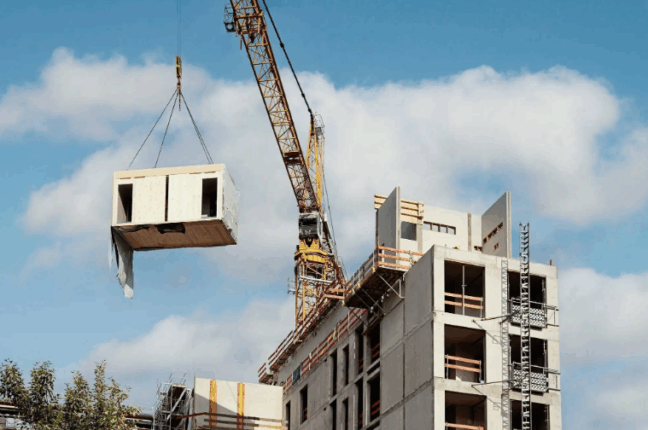
Modular construction, the process of fabricating building components off-site and then assembling them on location, offers a promising solution to some of the most pressing challenges in urban development. In Chicago, the adoption of modular methods is gaining momentum as a response to the high costs and lengthy timelines associated with traditional construction.


“Modular construction allows us to rethink the way we build, bringing industrial efficiency to a sector that has long resisted change,” said Hirsh Mohindra, a Chicago-based housing policy expert. “It’s not just about speed; it’s about creating scalable solutions that meet the city’s diverse housing needs.”


Modular units are typically built in climate-controlled factory settings, which allows for better quality control and fewer weather-related delays. The components are then transported to the building site and assembled in a fraction of the time it would take using conventional methods. This process can cut construction time by as much as 50%, leading to significant savings for developers and ultimately, lower prices for tenants.


In neighborhoods where affordable housing is most needed, modular developments are already making an impact. Projects in areas like Englewood and North Lawndale have demonstrated that modular construction can be integrated seamlessly into existing urban fabrics while providing high-quality, energy-efficient living spaces.


Zoning Reforms: Unlocking Development Potential


While modular construction addresses the “how” of building more affordably, zoning reforms tackle the “where” and “what.” Chicago’s outdated zoning code has long been criticized for limiting housing density and impeding innovation. Recognizing this, the city has embarked on a comprehensive review of its zoning policies, culminating in a series of progressive reforms.


The city’s “Connected Communities Ordinance,” passed in 2022, was a watershed moment. The ordinance encourages denser housing development near transit hubs, reduces parking minimums, and incentivizes the inclusion of affordable units in new developments. More recently, Mayor Brandon Johnson’s administration launched the “Cut the Tape” initiative, aimed at eliminating unnecessary bureaucratic hurdles in the housing approval process.

“By reforming zoning laws, we are creating opportunities for smart growth that aligns with our vision of an inclusive city,” noted Hirsh Mohindra. “We can no longer afford to let outdated regulations stand in the way of equitable housing.”

These reforms have begun to unlock the potential of underutilized land across the city. Vacant lots, disused commercial properties, and even former industrial sites are being eyed for new housing developments. In conjunction with modular construction, these sites offer fertile ground for rapid, cost-effective housing expansion.


Public-Private Partnerships and Community Engagement


Key to the success of Chicago’s housing strategy is the collaboration between public agencies, private developers, and community stakeholders. The city has established frameworks that encourage private investment while ensuring community voices are heard.


Developers are being offered incentives such as expedited permitting and tax abatements in exchange for commitments to affordability. Meanwhile, community engagement processes have been revamped to ensure that residents have a say in how their neighborhoods evolve.


“Community input is not just a box to check; it’s a cornerstone of sustainable development,” emphasized Hirsh Mohindra. “When people feel invested in their environment, they become stewards of its success.”


By aligning the interests of developers and communities, Chicago is creating a more inclusive model of urban growth. Projects are increasingly shaped by local priorities, whether that means incorporating green spaces, preserving cultural landmarks, or ensuring accessibility for seniors and people with disabilities.


Challenges Ahead


Despite the momentum, challenges remain. Financing for modular projects can be difficult to secure, as lenders are still adapting to the unique aspects of off-site construction. Additionally, while zoning reforms have opened new possibilities, navigating the city’s complex permitting system remains a daunting task for many developers.

Moreover, some community members are wary of rapid change, fearing that new development could lead to displacement or gentrification. Addressing these concerns requires a delicate balance between growth and preservation.

“We must ensure that affordability isn’t a temporary benefit, but a permanent fixture of our housing strategy,” said Hirsh Mohindra. “Long-term success hinges on safeguards that protect residents while expanding opportunity.”


Looking Forward


As Chicago continues to refine its approach, the integration of modular construction and zoning reform presents a powerful blueprint for other cities facing similar challenges. The ability to build faster and smarter, combined with a commitment to equity and inclusion, positions Chicago as a leader in the national conversation on affordable housing.


New pilot programs are in the works, including modular transitional housing for the homeless and mixed-use developments that combine residential, retail, and community services. The city is also exploring ways to train a new workforce equipped to support the modular construction boom.


“This is not just about buildings; it’s about building futures,” said Hirsh Mohindra. “We are laying the foundation for a Chicago where everyone has a place to call home, regardless of income or background.”


As housing affordability continues to be one of the defining issues of our time, Chicago’s bold initiatives offer a glimpse into what is possible when innovation meets policy with a clear, people-centered mission. Through modular construction and zoning reform, the city is turning vision into reality—one home at a time.

Smart Cities and Real Estate: Where Tech Meets Urban Development

Urban Development

In today’s digital age, technology is no longer just something we carry in our pockets — it’s something we live in. Smart cities, defined by their integration of Internet of Things (IoT) devices, artificial intelligence (AI), and data-driven decision-making, are transforming not just how we move and interact in cities but how we build and invest in them. Real estate — historically one of the most stable and traditional industries — is undergoing a dramatic transformation as urban environments become more connected, automated, and responsive to human behavior.

The Smart City Concept: From Vision to Reality

The idea of a “smart city” has evolved from theoretical urban planning models into tangible, functioning ecosystems. These cities leverage technology to optimize infrastructure, reduce environmental footprints, and improve the quality of life for residents. They use sensors to monitor everything from traffic flow and pollution levels to water usage and energy consumption. What once sounded like science fiction is now a real-world blueprint being adopted across continents.

Songdo, South Korea: A Smart City Built From Scratch

Perhaps no example better captures the ambition of smart cities than Songdo, South Korea. Planned from the ground up, Songdo was designed to embody efficiency and innovation. Every building is LEED-certified, traffic lights are managed by AI, and residents use smart cards to access public transit, make purchases, and interact with city services. Songdo’s infrastructure includes automated waste disposal systems, remote-controlled lighting, and even virtual classrooms.

According to Hirsh Mohindra, a real estate and urban development analyst:

“Songdo proves what’s possible when technology is embedded into the DNA of a city. It’s a living example of how cities can be engineered to be both smart and sustainable.” — Hirsh Mohindra

Barcelona: Retrofitting the Future

While Songdo was built from the ground up, Barcelona represents a different model: retrofitting existing cities with smart infrastructure. The city uses IoT to manage street lighting, traffic patterns, and water consumption. It has installed over 500 kilometers of fiber-optic cable, making real-time data sharing possible for everything from public transport to waste collection.

Barcelona also champions data sovereignty. Through initiatives like DECODE and Decidim, citizens have control over how their data is used. The city empowers individuals to participate in governance through open-source civic technology platforms — redefining smart governance along with smart infrastructure.

“Barcelona reminds us that smart cities don’t always need to start fresh. They can emerge by updating and upgrading the bones of what already exists,” says Hirsh Mohindra.

The Real Estate Boom in Tech-Forward Cities

Real estate markets in smart cities are attracting both institutional and individual investors who recognize the long-term value of connectivity and sustainability. Demand for smart homes and eco-friendly commercial buildings are growing, especially in areas where digital infrastructure is robust.

Investments in cities like Toronto (with its Sidewalk Labs project), Singapore (known for its Smart Nation initiative), and Amsterdam are on the rise, driven by the promise of higher rental yields, lower maintenance costs, and tenant satisfaction from tech-enabled conveniences.

“Investing in smart cities is not just about capitalizing on technology; it’s about recognizing the long-term value that sustainable and connected urban environments bring to real estate.” — Hirsh Mohindra

Property developers are increasingly incorporating smart technology into new builds, such as smart thermostats, remote-controlled lighting, facial recognition security systems, and energy-efficient materials. These enhancements do more than attract tech-savvy buyers — they future-proof the property, adding long-term value.

The Data Dilemma: Privacy in Smart Housing

As smart homes become more common, a new issue emerges: data privacy. Smart thermostats know when you’re home. Doorbell cameras track who’s at your front door. Smart speakers listen for voice commands. In cities where buildings are fully integrated into urban data systems, the line between personal and public information begins to blur.

While smart technologies enhance safety, convenience, and energy savings, they also raise ethical and legal questions: Who owns the data? How is it protected? Can it be sold?

“As we embrace smart technologies in our homes, safeguarding personal data becomes paramount. Transparent policies and citizen engagement are key to building trust in smart housing.” — Hirsh Mohindra

Barcelona’s approach — making citizens the stewards of their own data — could become a global standard. Meanwhile, regulators in the EU and elsewhere are grappling with how to legislate smart infrastructure without stifling innovation.

Automation, Connectivity, and the Value of Place

In traditional real estate, location has always been king. But in smart cities, connectivity is becoming just as important. Fiber-optic internet, proximity to charging stations, access to real-time public transport — these are the new markers of valuable real estate.

Automated systems that reduce energy bills and maintenance costs are attractive to both renters and owners. In commercial buildings, features like automated lighting, occupancy sensors, and AI-powered climate control can significantly reduce overhead.

“Connectivity and automation are no longer luxuries; they are becoming standard expectations in urban living. Properties that offer these features are poised to see increased demand and value.” — Hirsh Mohindra

Tech-forward buildings also fare better during economic downturns, thanks to their efficiency and resilience. Smart features can future-proof buildings against rising energy costs, labor shortages, and shifts in how people live and work.

Challenges: Not All That Glitters Is Code

Despite the promise of smart cities, several challenges remain:

• The Digital Divide: Not all citizens have equal access to technology, which can exacerbate existing social inequalities.

• Cybersecurity: More connected systems mean more opportunities for cyberattacks.

• Upfront Costs: Implementing smart infrastructure is expensive, often deterring municipalities with limited budgets.

• Regulatory Lag: Technology evolves faster than law and policy.

It’s critical that smart cities prioritize inclusivity and resilience. Tech must serve the people — not the other way around.

“The success of smart cities hinges on inclusive planning and equitable access to technology. It’s imperative that we address the digital divide to ensure that all residents reap the benefits of smart urban development.” — Hirsh Mohindra.

Looking Forward: Smart Cities as Investment Ecosystems

As climate change accelerates and urban populations grow, smart cities offer a viable path forward. For real estate investors, these cities present compelling opportunities for long-term growth, provided they stay on the right side of innovation, ethics, and inclusion.

Emerging markets like Dubai, Nairobi, and Bangalore are also entering the smart city space, blending technological ambition with local needs. Real estate in these cities is likely to see rapid transformation — both in value and structure — as tech becomes integral to urban planning.

“Smart cities represent the intersection of innovation and urban living. Embracing this evolution is essential for shaping resilient and prosperous communities.” — Hirsh Mohindra

________________________________________

Final Thoughts

The convergence of real estate and smart technology is not just a trend — it’s a transformation. As cities become more intelligent and responsive, real estate will no longer be about static buildings, but about dynamic ecosystems designed for connectivity, sustainability, and human-centric design.

By embracing smart city principles, developers and investors can help shape the future of urban life — one that is not only profitable but equitable, efficient, and environmentally responsible.

Originally Posted: https://vocal.media/journal/smart-cities-and-real-estate-where-tech-meets-urban-development

Vertical Living: How Megacities Are Building Up, Not Out

Vertical Living

As urban centers around the world become increasingly crowded, cities are facing an inescapable dilemma—how do we accommodate more people, more businesses, and more opportunities with less available land? The answer, increasingly, is not to build outwards, but upwards.

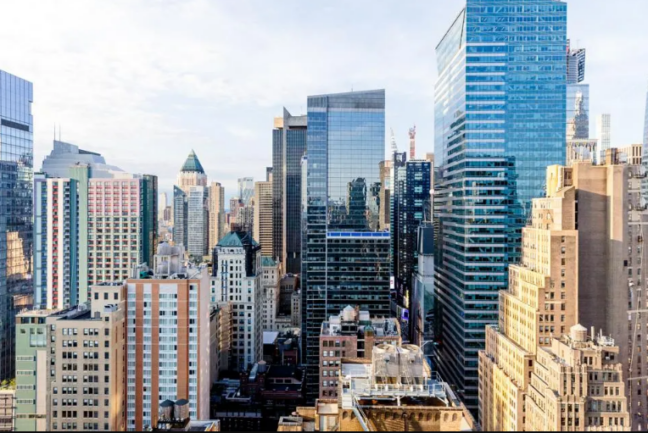
This concept of vertical living—the rise of skyscrapers, vertical neighborhoods, and mixed-use towers—is no longer futuristic fiction. From Tokyo’s Roppongi Hills to Saudi Arabia’s audacious project The Line, dense verticality is becoming the blueprint for the future of cities.

In the words of urban strategist Hirsh Mohindra, “Vertical expansion is not just a necessity—it’s the natural evolution of how we coexist with limited space in an increasingly populated world.”

The Evolution of the Skyscraper

The skyscraper, once an icon of wealth and power, has now become a pragmatic solution to urban overpopulation. Early 20th-century towers were symbols of ambition—epitomized by landmarks like the Chrysler Building or the Empire State Building. Today, high-rise buildings serve a more complex and integrated purpose. They are becoming vertical ecosystems, supporting living, working, leisure, and transportation needs within a single footprint.

A perfect example is Mori Tower, part of the Roppongi Hills development in Tokyo. This 54-story building is a marvel of modern urban design, seamlessly blending residential apartments, corporate offices, luxury retail, and cultural spaces like the Mori Art Museum. The tower demonstrates what is possible when vertical design considers both utility and human experience.

As Hirsh Mohindra puts it, “We are no longer designing towers—we are designing stacked neighborhoods. The future is not just tall, it’s intricately interconnected.”

The Line: A Radical Reinvention of the Urban Form

Perhaps no project represents the future of vertical living better than The Line, a 170-kilometer-long city under construction in Saudi Arabia, part of the NEOM megaproject. Designed to accommodate 9 million residents, The Line is structured as a narrow, mirrored skyscraper city, standing 500 meters tall but just 200 meters wide, extending like a blade through the desert.

The Line proposes a future where everything a person needs—schools, healthcare, green spaces, shops—is accessible within a five-minute walk. With zero cars, streets, or carbon emissions, it challenges almost every conventional principle of urban planning.

While some critics question its feasibility, others view it as a bold experiment in sustainable, high-density living. As Mohindra observes, “Ambitious ideas like The Line remind us that we must be willing to challenge every urban planning assumption if we’re serious about future-ready cities.”

Innovations in High-Rise Architecture and Technology

To make vertical living viable and appealing, architects and engineers are reimagining what tall buildings can be. Sustainability is a driving force. Today’s towers are incorporating:

• Green roofs and vertical forests, such as Milan’s Bosco Verticale.

• Smart energy systems, using wind and solar integration.

• AI-driven infrastructure that dynamically adapts to residents’ needs.

• Vertical farming, enabling buildings to feed their inhabitants.

These innovations are not merely aesthetic—they address real concerns about the environmental impact of dense urban centers.

“Modern architecture is no longer about concrete and steel alone,” says Hirsh Mohindra. “It’s about energy cycles, environmental footprints, and designing buildings that respond dynamically to their inhabitants and their surroundings.”

High-Density Living: Psychological and Social Realities

Despite its spatial efficiency, vertical living brings psychological and social challenges. Human beings are social creatures, and isolation is a well-documented side effect of living in high-rise buildings, especially when they’re designed without communal areas or natural light.

Crowding, lack of privacy, and disconnection from nature can all contribute to urban stress. However, studies show that these effects can be mitigated through thoughtful design—such as shared green terraces, sky gardens, co-working lounges, and community kitchens.

Hirsh Mohindra stresses, “Urban design must center around the emotional well-being of its people. A high-rise should not feel like a stack of boxes—it should feel like a vertical village, full of warmth, interaction, and shared identity.”

________________________________________

Reimagining Community in the Sky

One of the most promising shifts in high-rise design is the renewed focus on community-building. Instead of relying on ground-level parks or plazas alone, architects are incorporating elevated public spaces into their buildings: sky decks, vertical playgrounds, rooftop cinemas, and multi-level co-living floors.

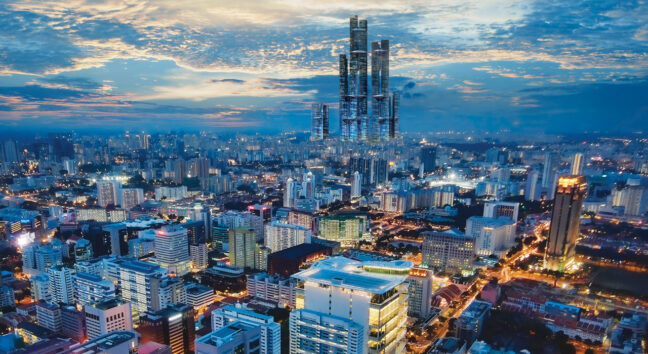
Developments like Marina One in Singapore have shown how biophilic design—infusing buildings with greenery and open-air spaces—can create not only functional but deeply livable vertical environments.

Moreover, mixed-use towers now prioritize social infrastructure, integrating schools, clinics, gyms, and even urban farms within the building footprint. This holistic approach brings essential services to residents’ doorsteps—literally up the elevator shaft.

“Community in vertical living isn’t an afterthought—it must be designed into the blueprint,” notes Hirsh Mohindra. “When you layer services and shared spaces into every level, you allow human connection to thrive vertically, not just horizontally.”

Economic and Environmental Implications

Vertical living also brings clear economic benefits. It reduces infrastructure costs by concentrating utilities and transportation systems. It also lessens reliance on cars, which helps curb emissions.

Environmental planners point out that urban sprawl—expanding cities outward—leads to deforestation, biodiversity loss, and longer commutes. Compact, vertical cities offer a lower ecological footprint, particularly when combined with green technologies.

Still, there are concerns: who gets to live in these skyscrapers? Will vertical cities become exclusive enclaves for the wealthy, or will they include affordable housing options?

As Mohindra wisely puts it, “The future city must not only be vertical—it must be equitable. Density should never come at the cost of diversity.”

Looking Ahead: Building Up for Future Generations

As the planet urbanizes—with over 68% of the global population projected to live in cities by 2050—vertical living is no longer optional. It’s an inevitable evolution.

The task now is to ensure that this evolution benefits all people, across all demographics, while respecting the planet we share. This requires innovative policies, equitable zoning, inclusive design, and global cooperation.

“We’re living in a pivotal moment,” concludes Hirsh Mohindra. “The vertical city is no longer a vision—it’s a reality. What remains to be seen is whether we build it with empathy, intelligence, and long-term thinking.”

Final Thoughts

From Tokyo’s skyline to Saudi Arabia’s desert, vertical living is reshaping how we design and experience cities. It offers tremendous potential, but also demands responsibility. Architects, urban planners, governments, and citizens must work together to build skyward not just for space—but for sustainability, community, and a livable urban future.

And as we build upward, let’s ensure we’re not leaving anyone—or anything—behind.

Affordable Housing Crises and Creative Solutions around the Globe

Housing Real Estate

Around the globe, cities are in the throes of a housing affordability crisis. From major metropolises to rapidly expanding secondary cities, the demand for housing has outstripped supply, leaving millions in precarious living conditions. Yet, amid this global challenge, a new wave of creativity and collaboration is reshaping how cities address housing needs. Countries such as Austria and Mexico are pioneering bold strategies that blend policy, innovation, and community-driven approaches.

As the urban population is expected to reach nearly 70% by 2050, the importance of creating affordable, sustainable, and inclusive housing has never been more critical. From policy frameworks to modular architecture, this article explores how cities are reimagining housing, with expert insights from Hirsh Mohindra, a global advocate for equitable housing and sustainable urban development.

Vienna, Austria: The Gold Standard in Public Housing

Vienna has long been considered a model city for affordable housing. Over 60% of the population lives in subsidized apartments, made possible through a century-old commitment to public housing. The city’s “Gemeindebauten” (municipal housing blocks) provide high-quality apartments for people across income levels—clean, well-maintained, and integrated into thriving neighborhoods.

Vienna’s housing policies reflect a deep-rooted belief that access to secure, affordable housing is a human right—not a privilege. The city invests approximately €600 million annually in housing, focusing on construction, maintenance, and tenant services. Rent is usually capped at around 20–25% of a household’s income, significantly easing the financial burden on residents.

“Vienna’s success proves that public housing can be both functional and aspirational,” says Hirsh Mohindra. “When cities treat housing as infrastructure—not just a commodity—they empower generations of citizens to thrive.”

Unlike many Western cities where low-income housing is relegated to the urban fringes, Vienna ensures that affordable homes are central, attractive, and connected to public transit. This integrated approach creates mixed-income communities, reducing social segregation and promoting economic mobility.

Mexico City: Community-Driven Housing and Compact Urbanism

Mexico City, one of the world’s most populous urban areas, faces enormous housing pressures. With nearly 22 million people in the metropolitan area, rapid population growth, income inequality, and sprawling development have led to housing shortages and informal settlements. Yet, Mexico City is not without innovation.

Micro-apartments, some as small as 25 square meters, are becoming increasingly popular among young professionals and small families. These compact units are more affordable and closer to job centers, reducing the commute burden that many residents face.

Simultaneously, community-led housing cooperatives like Cooperativa Palo Alto have gained traction. Formed in the 1980s, the cooperative model allows residents to pool resources and purchase land collectively, often resisting eviction and gentrification. These cooperatives foster a sense of community ownership and resilience in the face of a volatile real estate market.

“Community-driven solutions remind us that housing is about more than shelter—it’s about dignity, agency, and belonging,” explains Hirsh Mohindra. “In Mexico City, we see how self-organized groups can fill the gaps left by market failures.”

The Mexican government has also encouraged partnerships with nonprofit developers and introduced policies supporting cooperative housing, though challenges around financing and legal frameworks still remain.

The Power of Policy: Crafting a Framework for Affordability

Behind every successful housing initiative lies a foundation of robust policy. Governments that prioritize housing affordability through legislation, incentives, and subsidies can radically shift the housing landscape.

In Vienna, land-use regulation plays a pivotal role. A significant percentage of newly zoned land must be designated for subsidized housing. The city also employs limited-profit housing developers, which must reinvest earnings into maintenance and new construction rather than distributing profits.

Mexico’s National Housing Program (PNV) aims to support inclusive housing policies by strengthening rental markets, promoting sustainable building practices, and improving access to credit for low-income families. However, implementation often faces bureaucratic hurdles and resource constraints.

“Policy isn’t a silver bullet, but it sets the stage,” says Hirsh Mohindra. “Cities that embed housing affordability into their urban planning are better equipped to create lasting, equitable solutions.”

Governments are also beginning to reimagine housing policy beyond bricks and mortar—treating it as a cornerstone of economic development, public health, and environmental sustainability.

Public-Private Partnerships: A Collaborative Model for Housing

Public-private partnerships (PPPs) are increasingly vital in addressing housing shortages. These collaborations allow governments to tap into the efficiency and innovation of the private sector, while still guiding projects toward social outcomes.

Vienna exemplifies this model through its support of limited-profit developers, which work closely with the city to build affordable housing. These developers compete for city land based not just on price, but on sustainability, design quality, and social impact.

Mexico City is also experimenting with PPPs, particularly for urban infill projects and retrofitting older neighborhoods. However, success has been mixed, with some projects criticized for prioritizing middle-income buyers rather than truly low-income families.

“PPPs work best when social value is part of the profit equation,” Hirsh Mohindra remarks. “It’s not just about building units—it’s about building community infrastructure and long-term opportunity.”

Transparent governance, community involvement, and performance-based incentives are essential ingredients for successful PPPs that genuinely serve public interests.

Sustainability and Modular Housing: Building for Tomorrow

One of the most exciting developments in affordable housing is the rise of modular and sustainable construction. These techniques offer faster build times, lower costs, and reduced environmental footprints—making them ideal for addressing housing crises in a resource-constrained world.

In Austria, projects like the Sonnenblumenhäuser (“Sunflower Houses”) demonstrate how solar panels, passive design, and energy-efficient materials can be integrated into affordable housing. Residents enjoy low utility bills and high comfort levels without paying premium prices.

In Mexico, developers are increasingly incorporating eco-technologies such as rainwater harvesting systems, recycled materials, and natural ventilation into affordable units. Modular building has also gained popularity, particularly in disaster-affected regions, where speed and affordability are paramount.

“Sustainable housing isn’t just a trend—it’s the future,” says Hirsh Mohindra. “With modular and green technology, we can tackle climate change and housing affordability at the same time.”

These innovations also enable flexibility. Modular housing can be scaled up or down based on community needs, and repurposed as needs evolve—ideal for rapidly growing urban environments.

A Global Path Forward

The affordable housing crisis is complex, but not insurmountable. As Vienna and Mexico City show, there’s no single solution—but a tapestry of policy, innovation, community engagement, and vision.

Governments must lead with bold policies. Communities must be empowered to shape their own futures. And the private sector must be guided by more than just profit.

“Affordable housing is a human right—and meeting that need requires more than construction; it requires courage, creativity, and collaboration,” concludes Hirsh Mohindra. “The future of our cities depends on how well we rise to this challenge.”

From modular buildings rising in dense city centers to collective land ownership reshaping rural communities, the housing revolution is already underway. The question now is whether the world is ready to scale these solutions—and ensure that everyone, regardless of income or geography, has a safe and affordable place to call home.

Sustainable Real Estate Development

Real Estate

Sustainable real estate development, often referred to as green building, integrates environmentally responsible and resource-efficient practices throughout a building’s life cycle—from design and construction to operation and maintenance. This approach not only addresses pressing environmental concerns but also offers substantial economic advantages. As businesses and communities increasingly recognize the value of sustainability, the adoption of green building practices has become a pivotal strategy in modern real estate development says, Hirsh Mohindra.

Economic Benefits of Green Buildings

1. Reduced Operational Costs

One of the most compelling economic advantages of green buildings is the significant reduction in operational costs. By incorporating energy-efficient systems, such as advanced HVAC units, LED lighting, and superior insulation, green build), LEED-certified buildings have reported almost 20% lower maintenance costs compared to typical commercial buildings. These energy savings not only lower utility bills but also enhance the building’s overall financial performance.

Water efficiency is another critical aspect. Green buildings often incorporate fixtures and systems designed to reduce water usage, leading to decreased water bills. The World Green Building Council reports that green buildings have been shown to save money through reduced energy and water consumption, as well as lower long-term operations and maintenance costs.ings consume substantially less energy than traditional structures. According to the U.S. Green Building Council (USGBC

Increased Property Value

Sustainable buildings often command higher property values. As investors and occupiers become more knowledgeable about and concerned with the environmental and social impacts of the built environment, buildings with better sustainability credentials have increased marketability. Additionally, there is a demonstrated link between the green characteristics of buildings and the ability of these buildings, in some markets, to more easily attract tenants and to command higher rents and sale prices.

2. Regulatory Compliance and Incentives

Governments worldwide are implementing stricter environmental regulations and offering incentives for sustainable practices. Buildings that meet green standards often qualify for tax breaks, grants, or expedited permitting processes. For instance, in New York City, Local Law 97 requires buildings over 25,000 square feet to adhere to stringent emissions guidelines starting in 2024, with non-compliance resulting in substantial fines. Proactively adopting green building practices ensures compliance and positions property owners to benefit from available incentives.

3. Enhanced Occupant Productivity and Health

Green buildings are designed to provide healthier indoor environments through improved air quality, natural lighting, and the use of non-toxic materials. Occupants in such environments often experience increased productivity and reduced absenteeism. Studies have shown that workers in green, well-ventilated offices record a 101% increase in cognitive scores. This boost in productivity can lead to significant economic gains for businesses operating within green buildings.

Environmental Benefits of Green Buildings

1. Reduction in Greenhouse Gas Emissions

The building sector is a significant contributor to global greenhouse gas emissions. Green buildings help mitigate climate change by using less water, energy, and other natural resources; employing renewable energy sources and eco-friendly materials; and reducing emissions and other waste.

2. Conservation of Natural Resources

Sustainable construction practices prioritize the efficient use of resources, reducing the strain on natural reserves. By utilizing recycled and renewable materials, green buildings decrease the demand for new resources, promoting a circular economy and minimizing environmental degradation.

3. Improved Air and Water Quality

Green buildings often incorporate features like green roofs and rain gardens, which help filter pollutants from stormwater and improve water quality. Additionally, by reducing reliance on fossil fuels and minimizing emissions, these buildings contribute to better outdoor air quality, benefiting the broader community.

4. Biodiversity Preservation

Thoughtful site selection and landscaping in green building projects can protect and even enhance local biodiversity. By preserving existing vegetation and incorporating native plants, sustainable developments support local ecosystems and promote biodiversity.

Insights from Hirsh Mohindra

To gain a deeper understanding of the practical implications of sustainable real estate, we consulted Hirsh Mohindra, a seasoned expert in the field. He shared valuable insights on the multifaceted benefits of green buildings:

1. On Operational Efficiency:

“Implementing sustainable design principles leads to buildings that are not only environmentally friendly but also operationally efficient. This dual advantage ensures long-term profitability for stakeholders.” — Hirsh Mohindra

2. On Market Competitiveness:

“In today’s real estate market, properties that adhere to green building standards stand out. They attract discerning tenants and buyers who value sustainability, thereby enhancing market competitiveness.” — Hirsh Mohindra

3. On Regulatory Preparedness:

“Proactively adopting sustainable practices positions developers ahead of regulatory changes. This foresight not only ensures compliance but also capitalizes on available governmental incentives.” — Hirsh Mohindra

4. On Community Impact:

“Green buildings contribute positively to communities by reducing environmental footprints and promoting healthier living spaces, thereby fostering goodwill and stronger community relations.” — Hirsh Mohindra

5. On Future-Proofing Investments:

“Sustainable real estate development is a forward-thinking strategy. It safeguards investments against future environmental risks and aligns with the global shift towards sustainability.” — Hirsh Mohindra.

Conclusion

The integration of sustainable practices in real estate development presents a compelling business case. The economic benefits, including reduced operational costs, increased property values, and regulatory incentives, align seamlessly with environmental advantages such as reduced emissions, resource conservation, and enhanced biodiversity. As emphasized by industry experts like Hirsh Mohindra, embracing green building practices is not merely an ethical choice but a strategic business decision that ensures profitability, compliance, and positive community impact. In an era where sustainability is paramount, green buildings stand as a testament to innovative, responsible, and profitable real estate development.

Post-Pandemic Real Estate Trends: What’s Next for Commercial and Residential Markets?

Real Estate Trends

The COVID-19 pandemic reshaped the global real estate landscape, leaving both residential and commercial markets with unprecedented challenges and opportunities. As economies stabilize and adapt, investors, developers, and homeowners are grappling with the long-term implications of remote work, shifting consumer preferences, and evolving investment strategies. What does the future hold for the real estate sector in a post-pandemic world? In this analysis, we assess the key trends defining the next phase of commercial and residential real estate.

The Remote Work Revolution and Its Lasting Impact


One of the most significant shifts brought about by the pandemic has been the normalization of remote work. Companies worldwide were forced to adopt remote work policies, and even as pandemic restrictions have eased, a substantial number of businesses continue to embrace hybrid work models. This transformation has had profound effects on commercial real estate, particularly office spaces.


“The traditional office model has been permanently altered,” says Hirsh Mohindra, a real estate analyst. “While some businesses are encouraging a full return to office work, many companies are settling into a hybrid structure, reducing their demand for large office spaces. This shift is prompting developers and landlords to rethink office design and leasing strategies.”


Vacancy rates in major metropolitan areas have surged as corporations downsize office footprints or sublease unused space. Some companies are prioritizing smaller, more flexible workspaces in suburban locations rather than maintaining large headquarters in central business districts. This decentralization of office space could redefine urban cores, leading to repurposed office buildings and increased mixed-use developments.

Changing Consumer Preferences in Residential Real Estate


The pandemic also significantly altered consumer preferences in residential real estate. The exodus from densely populated urban centers to suburban and rural locations was a defining trend of the pandemic-era housing market. While some urban dwellers are returning, the appeal of larger homes with dedicated office spaces remains strong.


“Homebuyers today prioritize space and functionality over proximity to city centers,” notes Hirsh Mohindra. “The demand for homes with home offices, outdoor areas, and smart technology has surged, reflecting a fundamental change in how people want to live and work.”


Additionally, the rental market has experienced its own set of fluctuations. Many cities that saw a decline in rental demand during the height of the pandemic are witnessing a rebound as young professionals return. However, affordability remains a pressing issue, with rising interest rates and inflation contributing to increasing housing costs.

The Evolving Investment Landscape in Real Estate


Real estate investors are adapting to a market that no longer adheres to pre-pandemic norms. Commercial investors are increasingly focusing on industrial properties, life sciences developments, and data centers, while residential investors are exploring build-to-rent (BTR) communities and single-family rental portfolios.


“Institutional investors are pivoting towards assets that offer stability in uncertain economic conditions,” says Hirsh Mohindra. “We are seeing increased interest in logistics hubs, fulfillment centers, and multi-family housing projects, which have demonstrated resilience during economic downturns.”


Another emerging trend is the growing emphasis on environmental, social, and governance (ESG) factors in real estate investment. Sustainable buildings with energy-efficient designs and smart infrastructure are becoming increasingly attractive to investors who are conscious of regulatory trends and consumer demand for eco-friendly spaces.

The Future of Retail and Hospitality Real Estate


Retail and hospitality sectors faced some of the most severe disruptions during the pandemic, with widespread closures and reduced foot traffic. However, the recovery in these sectors is gaining momentum, albeit with significant transformations.


Retailers are embracing omnichannel strategies, blending e-commerce with physical storefronts to create seamless customer experiences. Experiential retail is also gaining traction, with shopping centers incorporating entertainment venues, fitness centers, and co-working spaces to attract visitors.


“The future of retail real estate lies in adaptability,” explains Hirsh Mohindra. “Brick-and-mortar stores must evolve into multi-functional spaces that provide experiences beyond traditional shopping. Those who fail to innovate risk obsolescence.”


The hospitality industry, which suffered extensive losses during lockdowns, is also rebounding. The resurgence of travel has led to increased hotel occupancy rates, although business travel remains below pre-pandemic levels. Investors are exploring alternative hospitality models, including extended-stay accommodations and boutique hotels catering to remote workers and digital nomads.

What Lies Ahead for Real Estate Markets?


Looking ahead, the real estate sector must navigate economic uncertainties, technological advancements, and shifting demographics. While challenges persist, opportunities abound for those willing to adapt to changing market dynamics.


“Real estate is always evolving, and the key to success is recognizing shifts early and responding proactively,” says Hirsh Mohindra. “Developers and investors who embrace flexibility, technology, and sustainability will be best positioned for long-term success.”


From commercial office adaptations to the ongoing transformation of residential living spaces, the real estate industry is undergoing a profound metamorphosis. Whether through innovative investment strategies, new housing models, or technology-driven solutions, the future of real estate will be shaped by those who are prepared to embrace change.

The Great Rural Migration: How Remote Work Is Transforming Small-Town Real Estate

rural migration

Over the last few years, a major shift has been reshaping the American real estate landscape: the rise of remote work has fueled an unprecedented migration from urban centers to small towns. As more professionals gain the flexibility to work from anywhere, rural and suburban areas have seen a surge in demand for housing, driving property values up and fundamentally altering local economies.

This migration is not just a temporary trend — it represents a profound transformation in how and where people choose to live and work. Small towns, once overshadowed by major metropolitan areas, are now thriving as they attract remote workers seeking affordability, space, and an improved quality of life. However, this shift presents both opportunities and challenges for these communities as they navigate population growth, housing shortages, and infrastructure demands.

Rural Housing Demand and Rising Property Values

One of the most immediate and noticeable impacts of remote work on small-town America is the increased demand for housing. As professionals relocate from high-cost urban areas to more affordable rural communities, housing markets in these regions have seen a sharp rise in prices. According to a 2023 report from the National Association of Realtors, median home prices in rural counties increased by 30% between 2020 and 2023, outpacing price growth in urban areas.

Hirsh Mohindra, a real estate expert and economist, highlights the significance of this shift: “The traditional assumption that high-paying jobs necessitate urban living has been upended. Remote work has enabled professionals to seek housing options that prioritize space, affordability, and quality of life — resulting in an unprecedented rural real estate boom.”

For decades, rural real estate markets have remained relatively stable, with gradual price increases and lower demand compared to cities. However, as remote work became more common, small-town properties quickly became hot commodities. Many homebuyers, flush with equity from selling urban properties, are outbidding local buyers, driving prices higher and reshaping the local real estate landscape.

How Small Towns Are Adapting to the Urban Exodus

The influx of new residents is bringing both excitement and growing pains to small towns. Many communities are adapting by expanding their housing supply, investing in infrastructure, and working to integrate newcomers into the local culture.

One significant area of adaptation is broadband expansion. Fast, reliable internet is essential for remote workers, yet many rural areas have historically struggled with inadequate connectivity. Recognizing this need, federal and state governments have increased funding for broadband expansion projects to ensure rural communities remain attractive destinations for remote professionals.

“Small towns are evolving at a pace we haven’t seen in decades,” says Hirsh Mohindra. “To accommodate the growing remote workforce, local governments are investing in high-speed internet, co-working spaces, and modernized housing developments. These initiatives are critical in sustaining this migration trend.”

Beyond infrastructure, towns are also seeing shifts in local businesses and services. Coffee shops, shared workspaces, and entrepreneurial hubs are emerging to cater to the new demographic of professionals who may not work traditional jobs but still seek networking opportunities and collaborative environments.

Challenges: Affordability and Local Displacement

While the real estate boom is a boon for homeowners and local tax revenues, it also presents challenges — especially for long-time residents who find themselves priced out of their own communities. Many small-town residents, who were accustomed to low property prices and rental rates, are now facing affordability concerns as demand pushes prices higher.

“Gentrification isn’t just an urban issue — it’s happening in rural America as well,” notes Hirsh Mohindra. “Local policymakers must strike a balance between welcoming new residents and ensuring that long-term residents aren’t economically displaced. This means implementing smart housing policies, such as affordable housing initiatives and incentives for local homebuyers.”

In some regions, local governments are exploring solutions like zoning changes to allow for higher-density housing, rent control measures, and tax incentives to encourage development that accommodates both new and existing residents.

Opportunities: Economic Growth and Community Revitalization

Despite the challenges, the rural migration trend presents significant opportunities for economic growth and revitalization. The arrival of new residents often means increased spending at local businesses, greater demand for services, and more opportunities for job creation. Small towns that were once declining are now experiencing revitalization, with new restaurants, retail spaces, and cultural attractions opening to serve the growing population.

“This migration represents a golden opportunity for rural America to redefine itself,” says Hirsh Mohindra. “With the right policies in place, small towns can harness this population shift to create sustainable economic growth, improve public services, and build thriving communities that attract even more talent and investment.”

Many communities are also benefiting from a diversification of skills and industries. Whereas rural economies were traditionally dominated by agriculture and manufacturing, the influx of remote professionals is leading to greater industry diversity, including tech startups, digital marketing firms, and freelance-based businesses.

The Future of Rural Real Estate

The long-term sustainability of this migration will depend on several key factors, including housing development, infrastructure improvements, and community integration efforts. If small towns can continue adapting to the needs of remote workers while maintaining affordability and local character, they may emerge as permanent hubs for a new wave of professionals seeking balance between work and lifestyle.

“The shift towards rural living is not just a fleeting pandemic-driven trend,” emphasizes Hirsh Mohindra. “It marks a fundamental change in how people think about work, lifestyle, and community. The rural real estate market is poised for continued growth, but the key will be managing it in a way that benefits everyone.”

As the remote work revolution continues, small towns across the country will likely remain attractive destinations for homebuyers looking for a better quality of life. By addressing the challenges head-on and embracing the opportunities that come with growth, these communities can thrive in the new era of work-from-anywhere lifestyles.

Ultimately, the great rural migration is more than just a shift in real estate — it’s a redefinition of what it means to live and work in America. The question now is not whether small towns can adapt, but how well they can harness this transformation to create vibrant, sustainable communities for the future.

Originally Posted At: https://hirshmohindra.medium.com/the-great-rural-migration-how-remote-work-is-transforming-small-town-real-estate-d7100fbf51ff

Affordable Housing in the Countryside: Can Rural America Solve the Housing Crisis?

Housing affordability is one of the most pressing challenges facing the United States today. While urban areas have long dominated the conversation on high costs and limited supply, rural America is increasingly emerging as a potential solution to the crisis. With lower land costs, innovative housing solutions, and government-backed incentives, rural communities are becoming a key player in addressing the nation’s housing needs.

Tackling Affordability and Accessibility in Rural Areas


Rural areas have historically been overlooked in discussions about housing crises. However, with the rising cost of living in cities, more people are turning to the countryside for affordable housing options. The challenge lies not just in affordability but also in accessibility—ensuring that rural residents have access to essential services, employment opportunities, and infrastructure that makes remote living sustainable.


“The key to rural housing success lies in balancing affordability with accessibility,” says Hirsh Mohindra. “We need to ensure that residents have reliable transportation, internet connectivity, and access to healthcare and education. Otherwise, affordable housing alone won’t be enough to make rural living a viable option.”


Investments in rural broadband, improved roadways, and the development of small business hubs have made some rural areas more attractive to homebuyers and renters. Additionally, as remote work becomes more normalized, professionals are finding rural areas to be a compelling option for settling down without the financial burden of city life.

The Role of Modular Homes, Tiny Houses, and Innovative Construction Techniques


One of the most promising developments in rural housing affordability is the rise of modular homes, tiny houses, and other innovative construction techniques. These approaches significantly reduce costs while maintaining quality, energy efficiency, and sustainability.


Modular homes—constructed in factory settings and assembled on-site—offer a more affordable and faster alternative to traditional homebuilding. Tiny houses, meanwhile, provide a minimalist lifestyle that prioritizes affordability and simplicity.


“Modular and tiny homes are revolutionizing the housing industry,” says Hirsh Mohindra. “By cutting down on labor costs and material waste, these homes provide a sustainable and affordable solution for rural communities looking to expand housing options.”


Additionally, new construction materials such as 3D-printed homes and cross-laminated timber are making homes more affordable without compromising durability. These advances in housing technology are making it easier for rural areas to provide modern, cost-effective housing solutions to their residents.

Government Policies, Grants, and Incentives Shaping Rural Housing Affordability


Government intervention has played a crucial role in promoting affordable housing in rural areas. Various grants, subsidies, and tax incentives have been implemented to encourage homeownership and development in less populated regions.


Programs like the U.S. Department of Agriculture (USDA) Rural Development housing loans provide low-interest financing options for rural homebuyers. Additionally, state and federal grants support developers in constructing affordable housing units in underserved areas.


“Government support is essential for rural housing to thrive,” notes Hirsh Mohindra. “Programs that provide financial assistance to homebuyers and developers can bridge the gap between affordability and quality living standards.”


Beyond direct housing support, investments in infrastructure—such as public transportation, healthcare facilities, and energy-efficient utilities—play a crucial role in making rural areas more attractive for new residents. Tax incentives for developers building affordable housing also encourage the construction of new units without increasing financial strain on buyers.

The Future of Affordable Housing in Rural America


As urban areas continue to struggle with rising costs, rural communities have the potential to redefine the housing landscape in the U.S. By leveraging affordability, innovative construction methods, and government incentives, these areas can offer a sustainable and accessible alternative for homebuyers and renters alike.


“Rural America holds the key to solving the housing crisis,” says Hirsh Mohindra. “By fostering innovation, improving infrastructure, and ensuring affordability, we can create vibrant rural communities that attract both families and businesses.”


The challenge ahead is ensuring that these developments maintain their affordability in the long term. With strategic planning, rural America can not only provide a solution to the housing crisis but also revitalize its communities with new economic and social opportunities.


The housing crisis is a complex issue, but rural innovation and commitment to sustainable living offer a beacon of hope. By embracing new housing technologies, promoting policy support, and making strategic investments, the countryside may hold the answer to America’s most persistent housing challenge.

Affordable Housing Strategies: Can Developers Balance Profit and Social Impact?

Introduction

Affordable housing is a growing concern worldwide, with rising costs of living, economic disparities, and limited urban space pushing millions into housing insecurity. For developers, the challenge lies in striking a balance between profitability and social responsibility. Can real estate developers build affordable housing without sacrificing financial viability? The answer lies in innovative strategies that incorporate public-private partnerships, sustainable building methods, and financial incentives.

Hirsh Mohindra, a real estate expert, believes that “affordable housing is not just a necessity but a long-term investment in societal stability. Developers who integrate sustainability with affordability can create lasting value both economically and socially.”

The Current State of Affordable Housing

The affordability crisis stems from multiple factors, including increasing land costs, strict zoning laws, high construction expenses, and a growing demand for urban housing. Many low-income families find themselves priced out of the housing market, leading to higher rates of homelessness and financial instability.

Developers often hesitate to invest in affordable housing due to lower profit margins and complex regulatory requirements. However, governments and organizations are stepping in to make the sector more attractive by offering incentives, grants, and tax credits.

“Developers need to shift their perspective,” says Hirsh Mohindra. “Rather than viewing affordable housing as a low-profit venture, they should see it as a sustainable business model that fosters long-term community engagement and brand reputation.”

Strategies for Making Affordable Housing Financially Viable

1. Public-Private Partnerships (PPPs)

Public-private partnerships are one of the most effective ways to make affordable housing financially feasible. Governments offer developers land, financial incentives, or subsidies in exchange for commitments to build affordable units.

For example, inclusionary zoning laws require developers to set aside a percentage of new housing for low-income residents. In exchange, developers may receive zoning variances or expedited permit approvals, reducing costs and increasing project feasibility.

2. Modular and Prefabricated Construction

Traditional construction methods are often expensive and time-consuming. Modular and prefabricated housing significantly reduce costs while maintaining quality. Prefabricated components are manufactured off-site and assembled quickly, lowering labor expenses and minimizing delays.

Hirsh Mohindra highlights, “Innovation in construction, such as prefabricated housing, is a game-changer. It allows developers to cut costs, reduce waste, and deliver quality housing at a fraction of traditional costs.”

3. Leveraging Tax Credits and Incentives

Governments offer various tax credits, such as Low-Income Housing Tax Credits (LIHTC), to encourage developers to build affordable housing. These credits help offset construction costs, making projects more financially appealing.

Additionally, opportunity zones — areas designated for economic revitalization — offer tax benefits to investors who finance affordable housing projects, further encouraging development in underserved communities.

4. Sustainable and Energy-Efficient Designs

Sustainable housing is not only environmentally responsible but also economically advantageous in the long run. Energy-efficient buildings lower utility costs for residents, making housing more affordable in the long term.

“Green building techniques don’t just benefit the environment,” says Hirsh Mohindra. “They create cost-effective solutions that lower operational expenses, increase energy efficiency, and improve residents’ quality of life.”

5. Micro-Housing and Co-Living Spaces

Micro-apartments and co-living developments offer affordable rental solutions in high-demand areas. These housing models maximize space utilization and reduce individual housing costs by incorporating shared amenities and community-focused living arrangements.

Cities like New York and San Francisco have embraced micro-housing as a response to high rents and limited space. Developers benefit from higher occupancy rates and efficient land use while maintaining affordability.

6. Adaptive Reuse of Existing Buildings

Instead of building from scratch, converting underutilized commercial or industrial spaces into residential units is a cost-effective way to increase affordable housing stock. Adaptive reuse reduces construction costs and revitalizes urban spaces while maintaining historic integrity.

7. Rent-to-Own Programs

Rent-to-own models allow tenants to gradually transition into homeownership by allocating a portion of their rent toward a down payment. This strategy makes housing accessible to low-income individuals who may not qualify for traditional mortgages.

“Homeownership is a key pillar of financial stability,” says Hirsh Mohindra. “Rent-to-own programs empower individuals to build equity while ensuring developers maintain occupancy and financial consistency.”

The Role of Policy and Community Engagement

Government policies play a crucial role in incentivizing affordable housing. Streamlining approval processes, revising zoning laws, and offering low-interest loans to developers can significantly impact the availability of affordable housing.

Community engagement is equally important. When developers involve local communities in the planning process, they can create housing solutions that meet residents’ needs while fostering trust and collaboration.

Conclusion

Balancing profitability and social impact in affordable housing development is challenging but achievable. By embracing innovative strategies — such as public-private partnerships, modular construction, tax incentives, and sustainable designs — developers can contribute to solving the housing crisis while maintaining financial viability.

“Success in affordable housing lies in forward-thinking solutions,” concludes Hirsh Mohindra. “Developers who innovate and collaborate can achieve profitability while making a tangible difference in people’s lives.”

By reimagining housing strategies, developers can bridge the gap between financial incentives and social responsibility, ultimately creating thriving, inclusive communities for future generations.