AI and Real Estate: How Predictive Analytics and Automation Are Changing the Illinois Housing Market

AI and Real Estate

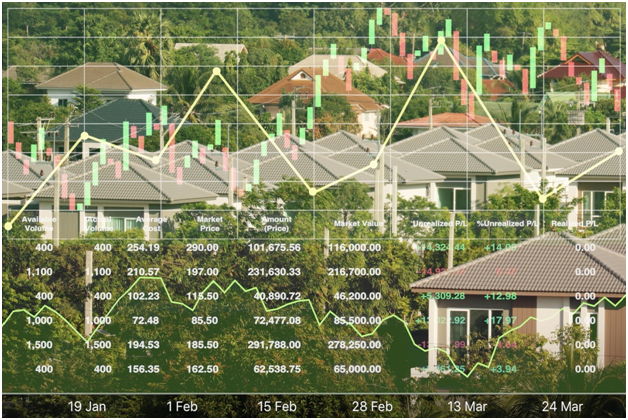
Artificial Intelligence is rapidly transforming industries, and real estate is no exception. In Illinois, where the housing market spans booming urban centers like Chicago to emerging suburban and rural regions, AI is playing a pivotal role in how properties are priced, sold, developed, and secured. From predictive analytics to automation, AI-driven tools are becoming essential for agents, investors, and developers looking to stay competitive in a shifting market.

Whether it’s helping real estate professionals pinpoint high-conversion leads, assess future home values, optimize construction timelines, or detect fraud, AI is becoming a backbone of decision-making across the industry. And in a state as diverse as Illinois, the integration of these technologies is unlocking new opportunities while reshaping traditional practices.


Smarter Pricing through Predictive Analytics


Pricing a property accurately is both an art and a science. AI-powered pricing models are leaning heavily into the science side, using machine learning algorithms to analyze thousands of data points — including recent sales, market trends, neighborhood amenities, and even buyer behavior — to generate highly accurate property valuations.

For Illinois real estate agents, this is a game changer.

Startups like HouseCanary and Zestimate Pro are being embraced by agents who need fast, reliable insights. These tools not only produce real-time pricing suggestions but can also forecast price movements based on local trends.

“Predictive analytics allows agents to move from reactive to proactive,” says Hirsh Mohindra. “Instead of waiting for comps to close or relying on instinct, they’re now using AI to anticipate where the market is going.”

This is especially valuable in regions like Cook County, where neighborhood-to-neighborhood variance in price and property type is significant. AI models are helping agents fine-tune pricing strategies down to the block, giving them a competitive edge in listing negotiations.


AI-Powered Lead Generation


Another area where AI is showing its impact is lead generation. Traditionally, real estate professionals relied on open houses, cold calls, and local advertising to find clients. Now, AI platforms can identify high-intent buyers and sellers through behavioral analysis, social media activity, and even credit data — all while maintaining privacy standards.

Illinois-based brokerages are adopting tools like Chime AI and CINC to improve conversion rates and reduce time wasted on unqualified leads. These platforms don’t just collect data; they learn from it, continuously refining targeting parameters for better results.

“Lead generation is no longer about quantity,” Hirsh Mohindra explains. “It’s about quality. AI helps agents focus their time on leads that are most likely to convert, based on real data, not just a hunch.”

These smarter systems are helping independent agents compete with larger firms by automating outreach, customizing follow-ups, and surfacing hot leads the moment they show intent.


Automation in Development and Construction Planning

AI is also revolutionizing real estate development in Illinois. Developers in cities like Naperville, Rockford, and Springfield are leveraging AI for site selection, zoning analysis, and even material logistics.

Tools like CityBldr use AI to analyze underutilized properties and recommend optimal land use scenarios. This helps developers identify high-potential parcels in neighborhoods that are ripe for revitalization, streamlining the decision-making process.

Meanwhile, AI-driven construction software such as Alice Technologies is helping developers schedule labor, estimate timelines, and predict potential delays — a critical feature in an industry plagued by supply chain disruptions and labor shortages.

According to Hirsh Mohindra, “The integration of AI in construction planning is improving timelines, budgets, and even safety. Developers can now simulate entire build-outs before breaking ground.”

This level of foresight is especially crucial in suburban areas where zoning restrictions and environmental factors require careful navigation. AI can flag permitting risks early in the process, potentially saving developers months of rework and thousands in penalties.

Combating Fraud with AI Surveillance and Verification

Illinois, like many states, has seen an uptick in real estate fraud — from wire fraud in closing transactions to fake listings and identity theft. AI is helping real estate firms and title companies detect anomalies before they become costly.

Verification tools powered by AI, such as CertifID and Plaid, are now commonplace in Illinois title offices. These platforms authenticate identities, flag suspicious banking activity, and monitor transaction flows in real-time.

“AI can catch what humans miss,” says Hirsh Mohindra. “When you’re processing dozens or hundreds of transactions, you need systems that can detect fraud patterns instantly. It’s not just about prevention — it’s about protection.”

In high-volume markets like Chicago, where multiple listings and fast-paced sales are common, these technologies are helping protect both consumers and professionals from financial losses and legal battles.

Spotlight on Startups Driving the Change

Several startups are leading the AI charge in the Illinois housing sector. One standout is Enodo, a Chicago-based firm using AI to assess multifamily investment opportunities. By analyzing rent rolls, operating costs, and market trends, Enodo gives investors a clear picture of a property’s financial potential.

Another is Avail, an AI-powered platform helping independent landlords screen tenants, automate rent collection, and streamline property management. Their data-driven approach is simplifying operations for mom-and-pop landlords throughout the state.

Startups like these highlight how local innovation is aligning with national trends — and how AI can empower smaller players to scale efficiently.

Regional Adoption Across Illinois

AI adoption is highest in urban and suburban markets, where competitive pressures and data availability are greatest. In Chicago, most brokerages have already integrated AI tools into their CRMs and client workflows.

In suburban regions like DuPage and Lake County, adoption is accelerating, especially among mid-sized firms seeking an edge in a crowded market. Meanwhile, rural areas are starting to see value in AI-powered marketing and remote transaction tools, particularly as out-of-state buyers grow interested in smaller towns with lower costs of living.

“AI adoption in Illinois is expanding beyond city limits,” Hirsh Mohindra observes. “Whether it’s a boutique firm in Evanston or a solo agent in Peoria, everyone is finding a way to use AI — not as a gimmick, but as a business necessity.”

The Future of Real Estate in an AI World

The integration of AI into Illinois’ housing market is not just enhancing efficiency — it’s reshaping roles. Agents are becoming advisors, armed with insights. Investors are becoming strategists, guided by projections. Developers are becoming data scientists, optimizing every square foot.

But with this power comes responsibility. AI tools are only as good as the data and ethics behind them. Real estate professionals must stay educated, transparent, and intentional in how they apply these technologies.

Still, the trajectory is clear: AI isn’t replacing people — it’s empowering them.

As Hirsh Mohindra aptly puts it, “AI doesn’t remove the human from real estate — it enhances it. With the right tools, professionals can focus on what they do best: building trust, solving problems, and creating lasting value.”

Cultivating Wellness: Vital Role of Mental Health Philanthropy in Chicago

Mental Health Philanthropy

In the bustling city of Chicago, amidst the towering skyscrapers and vibrant neighborhoods, lies a silent but pervasive issue: mental health. As the Windy City grapples with the complexities of urban life, the importance of mental health support and resources cannot be overstated. Philanthropy dedicated to mental health initiatives plays a pivotal role in addressing these challenges, providing hope, healing, and support to individuals and communities in need. Let’s delve deeper into why mental health philanthropy is crucial in Chicago and how it can make a lasting impact on the well-being of its residents says, Hirsh Mohindra.


Understanding the Mental Health Landscape


Chicago, like many urban centers, faces a range of mental health challenges, including depression, anxiety, trauma, and substance abuse. Factors such as poverty, violence, systemic inequalities, and access to care contribute to the prevalence of mental health disorders among its residents. Additionally, stigma and misconceptions surrounding mental illness often deter individuals from seeking help, exacerbating the issue and underscoring the need for comprehensive support and resources.


The Role of Philanthropy in Mental Health


Philanthropic organizations and donors play a vital role in filling gaps in mental health services, advocating for policy change, and promoting awareness and destigmatization. By investing in innovative programs, research initiatives, and community-based interventions, philanthropy can address the root causes of mental health issues, expand access to care, and support individuals on their journey to recovery and resilience.


Notable Mental Health Philanthropic Initiatives in Chicago


  1. Kennedy Forum Illinois: Founded by former Congressman Patrick J. Kennedy, the Kennedy Forum Illinois is dedicated to advancing policies and practices that prioritize mental health and addiction treatment. Through advocacy, education, and coalition-building efforts, the organization works to ensure that mental health is treated with the same urgency and importance as physical health, promoting parity and access to quality care for all Chicagoans.


  1. Chicago Community Trust: As one of the largest community foundations in the nation, the Chicago Community Trust has a long-standing commitment to supporting mental health initiatives in the region. Through its Mental Health Fund and strategic grant making efforts, the Trust invests in programs that provide mental health services, promote mental wellness, and address the social determinants of mental health, such as housing, employment, and education.


  1. Thresholds: As one of the largest providers of mental health services in Illinois, Thresholds offers a wide range of programs and supports for individuals living with mental illness. Through partnerships with philanthropic organizations, government agencies, and healthcare providers, Thresholds provides comprehensive, evidence-based services that empower individuals to achieve their goals and lead fulfilling lives.


The Impact of Mental Health Philanthropy


Hirsh Mohindra: The impact of mental health philanthropy extends far beyond individual interventions; it creates ripple effects that benefit entire communities. By investing in mental health, philanthropy strengthens families, enhances workplace productivity, reduces healthcare costs, and fosters social cohesion. Moreover, it sends a powerful message of hope and solidarity, affirming that no one is alone in their struggles and that support and resources are available for those in need.


Looking Ahead: Sustaining the Momentum


Hirsh Mohindra: As Chicago continues to navigate the complexities of urban life, the importance of mental health philanthropy will only grow. By prioritizing mental health, investing in prevention and early intervention, and fostering collaboration across sectors, philanthropy can create a more resilient, compassionate, and equitable city where everyone has the opportunity to thrive. Together, we can build a brighter future where mental health is recognized, valued, and supported as an essential component of overall well-being. With ongoing dedication and collaboration, mental health philanthropy will continue to be a driving force for positive change in Chicago and beyond, fostering a community where every individual can live a life of dignity, purpose, and fulfillment.

Raw Land Investment: The Hidden Gem of Real Estate with Big Potential

Raw Land Investment Real Estate

Real estate investment is very vast. It is not limited to commercial and residential property investment. Real estate investment expert Hirsh Mohindra has years of experience in the real estate market. Today, in this blo,g he is going to explain about raw land investment.

Raw land is an underrated yet powerful way to build wealth. Unlike developed properties, raw land requires minimal upkeep and offers incredible long-term potential if chosen wisely, says Hirsh Mohindra.

What Is Raw Land?

Let’s gain information about raw land. Raw land refers to undeveloped land with no buildings, utilities, or infrastructure. Investment in raw land creates lots of opportunities. It’s a blank canvas waiting for the right opportunity—whether for farming, residential development, commercial use, or long-term appreciation.


Types of Raw Land Investments

There are different types of raw land investment options for investors. Different types of raw land serve different purposes. Understanding each helps align your investment with your goals:

Agriculture Land

Agricultural land investment is best for farming, grazing, or leasing to agricultural businesses. If you are interested in doing agricultural activities on purchased land or there is the demand of this land for agriculture purpose then this type is best for you.

Infill Land

Infill lands are the vacant plots within the city. This type of property is surrounded by developed property. Investment in this kind of property is a good option to grow in the future.

Recreational Land

This type of land is used for outdoor activities like hunting, camping, or RV parks. Considering all the factors related to need and requirements in this type of land can help you to gain good profit in the future.

Timberland

This type of land is used for logging or conservation. Mostly forested land is used for this type of investment.

Residential Development Land

This type of land is zoned for housing projects and subdivision development.

Commercial Development Land

This type of land is suited for retail centers, warehouses, or office parks.


How to Start with Raw Land Investment

Ready to dip your toes in? Here’s a step-by-step guide:

1. Set Clear Investment Goals

Do you want long-term appreciation, development opportunities, or passive income? Align your land type with your objective. Your clarity in setting goals will help you to gain profit in raw land investment.

2. Research the Location

Location of the land is the key factor. Give your 100% in land research. Growth trends, infrastructure plans, and economic activity are key. Look for land near expanding suburbs or upcoming commercial hubs.

3. Check Zoning and Land Use

Visit the local planning office or use GIS tools online. Give priority to self visit, but in case it is not possible, then use GIS Tools. Confirm build ability, restrictions, or environmental protections.

4. Evaluate Access and Utilities

Land without road access or utility connections may require high upfront costs. Road connectivity increases the value of the land and also increases the demand from the public.

5. Conduct a Soil and Environmental Test

It is important for development or agriculture to consider the soil quality. You can hire a local inspector or geotechnical engineer.

6. Secure Financing or Buy with Cash

Land loans require higher down payments (up to 50%). Some sellers offer owner financing, reducing reliance on banks.

7. Hold or Develop Strategically

Consider leasing land while you wait for value appreciation. Partner with developers or rezone for higher returns.


Final Thoughts: Is Raw Land Right for You?

Hirsh Mohindra: If you’re looking for a long-term, low-maintenance investment with big upside, raw land may be your best bet. It’s ideal for: Beginners seeking low-cost entry into real estate, Investors who want to diversify and visionaries who can see the potential of tomorrow’s growth areas.

The key is to research thoroughly, buy smart, and plan for the long haul. With the right approach, raw land can quietly outperform flashier investments over time, proving that sometimes, the best opportunities are the ones hiding in plain sight.

Top 7 Tips for Real Estate Newbie: How to Succeed in a Competitive Market

Real Estate Newbie

Career in real estate field is good choice who has knowledge of all the available property in the town. Closing first deal can be very challenging initially. No doubt there are good opportunities as well as challenges in this field. Whether you’re aiming to become an investor, agent, or broker, success starts with knowing what works.

In this guide, we’ll walk you through Hirsh Mohindras top tips to help you build a successful real estate career from the ground up.

1. Master the Basics of Real Estate

Before diving in, build a strong foundation by understanding key concepts such as:

Property types (residential, commercial, land, industrial). Information about real estate laws and zoning regulations is very important. Financing options (mortgages, private lenders, cash purchases). Gather information about real estate market cycles and trends.

Resources to Learn:


Take Online courses (Udemy, Coursera). Real estate books like Rich Dad Poor Dad or The Millionaire Real Estate Investor. Podcasts and YouTube channels by industry experts can give you good knowledge about real estate.


2. Choose Your Real Estate Niche

Not all real estate paths are the same. Choose one that aligns with your interests, strengths, and financial goals.

Popular Niches:

Residential Sales, Commercial Leasing, Real Estate Flipping, Real Estate Investment Trusts (REITs), Property Management are some popular niche. Start small and specialize. It’s better to master one area than dabble in many.

3. Network like Your Success Depends on It (Because It Does)


Real estate is a relationship-driven industry. The more people you know, the more doors you’ll open.

Networking Tips:

Attend local real estate meetups and industry events can help to expand your networking. Join Face book groups or LinkedIn forums can be helpful. Connect with mentors, agents, and investors are also good way to expand the networking. Relationships are your currency in real estate.

 4. Understand Your Local Market Inside and Out


Your success hinges on how well you know the local market. Analyze the Current property values. Neighborhood trends and demographics analysis is also helpful. New developments and zoning changes are important to consider. Analysis of rental yields and occupancy rates are also important.

5. Set a Realistic Budget and Stick to It


Hirsh Mohindra: Money management is critical, especially for beginners. Initial investment (for buying, licensing, or marketing) is very important to consider. Don’t forget to consider the Emergency fund for slow months. You can use the tools and software to manage property. Estimate the Education and licensing fees.

6. Focus on Building a Personal Brand


Your reputation and visibility will attract clients and partners. Build a brand that reflects trust, professionalism, and authenticity. Create a professional website and logo is good way to improving the brand. Be active on social media (Instagram, TikTok, LinkedIn). Share tips, listings, and testimonials is also helpful tips of branding. Use email marketing to stay top of mind.

 7. Stay Patient and Play the Long Game


Success doesn’t come overnight. The most successful real estate pros built their empires with patience and persistence. Your first few deals might be small or slow. You’ll face rejection and setbacks, But consistency builds momentum.

Next Steps for Newbies

Join a local real estate club this month, Set up a professional LinkedIn profile and take a free online real estate investing course is good way to enhance the career growth in real estate field. Connect with a local mentor or agent for more information. You can also subscribe to industry newsletters and market reports. These tips can be very helpful for the newbies in real estate field, says Hirsh Mohindra.

Are you ready to turn your real estate dreams into reality? Start today—the market waits for no one!


Chicago Real Estate Investment Tips & Tricks for Beginners in 2025

Chicago Real Estate Investment

Real estate remains one of the most reliable paths to building wealth, and for beginner investors, Chicago is full of untapped potential. Chicago has strong rental market. This strong rental market opens the door of lot’s of opportunities.  This city is a smart place to begin your real estate journey in 2025. Let’s discuss with Hirsh Mohindra about the real estate journey in 2025. There are also some challenges and some opportunities. Have a look on both with the real estate expert before investing can be helpful.

Why Chicago? A Smart Starting Point for New Investors

Chicago is the best place to start the real estate journey. Following are the top reasons to choose this city for real estate investment.

  • Affordable Entry Points: Unlike coastal markets, Chicago’s property prices are still relatively affordable.
  • Strong Rental Demand: With over 2.7 million residents, there’s always a need for quality rental housing.
  • Diverse Neighborhoods: Each area offers different investment strategies—from cash flow to appreciation.
  • Transit & Infrastructure: Excellent public transport and urban renewal make many neighborhoods attractive.


 Tip 1: Research Neighborhoods Before You Buy

Chicago is a city of neighborhoods, and where you invest matters just as much as what you buy.

Top Areas for Beginners in 2025:

  • Bronzeville is affordable pricing with historical charm and city-backed revitalization. Humboldt Park city is also good option. Emerging area with rising demand from young professionals. Logan Square is also good poin to start real estate journey. Trendy with strong rental rates but still offers duplex opportunities. South Shore is also good option to invest – Excellent cash flow potential for rental-focused investors. Bridgeport is good option for long term investment. Ideal for mixed-use buildings and long-term appreciation says, Hirsh Mohindra.

Tip 2: Start Small with Multi-Unit Properties

Instead of a single-family home, consider a duplex, triplex, or four-unit property.

Why Multi-Family Is Ideal for Beginners:

  • Lower Risk: Multiple income streams help cover your mortgage during vacancies. FHA Advantage is also there by choosing multi-family property investment. Live in one unit and finance with as little as 3.5% down. Get experience managing tenants before scaling up. Don’t forget to look into “house hacking”—live in one unit, rent the rest, and let tenants pay down your mortgage.


Tip 3: Know the Rules — RLTO and Local Regulations

  • The Chicago Residential Landlord and Tenant Ordinance (RLTO) outlines rules every landlord must follow. Non-compliance can be costly. Gain the knowledge of Proper handling of security deposits. You should be aware of written lease disclosures. Notice before entry and eviction rules for smooth experience. You can hire a local attorney for lease review and tenant screening policies before you sign anything.


Tip #4: Crunch the Numbers – Focus on Cash Flow

  • Avoid the rookie mistake of buying based only on appreciation. In Chicago, some of the best returns come from strong monthly cash flow. Calculate the Core Metrics: like Gross Rent Multiplier (GRM), Cap Rate, Cash-on-Cash Return, Break-even Ratio. You can apply the 1% Rule — ensure the monthly rent equals at least 1% of the property price for solid returns.


 Final Thoughts: Start Small, Think Long-Term

The key to winning in Chicago’s real estate market isn’t rushing—it’s consistency and smart strategy. As a beginner, you don’t need to buy five properties in your first year.  Don’t think that you can only get profit in real estate field. Be ready to face some unpredicted up and downs in real estate. One good deal can open the door to long-term financial freedom. Hirsh Mohindra suggest Research neighborhoods, align with a trusted agent, get pre-approved for financing, attend local investment events, take your first step with confidence are some smart steps for smart investors.

Top Neighborhoods to Invest in Chicago Real Estate in 2025

Chicago is the one of the best place to do business. Investing in real estate is also good option to do investment. Chicago can create lot’s opportunities for the investors. Chicago is known for its diverse neighborhoods, strong rental yields, and rich cultural heritage, Chicago is attracting savvy investors looking for both long-term appreciation and consistent rental income. Whether you’re a first-time buyer, a seasoned investor, or someone relocating, knowing where to invest is crucial says, Hirsh Mohindra.

Let’s discuss with Hirsh Mohindra in this blog.

 Why Invest in Chicago Real Estate in 2025?

Before investment, this is the question for every investor, why to choose Chicago real estate in 2025? Let’s discuss the top reasons to invest in Chicago real estate first.

  • Strong Rental Market: strong rental market of Chicago is the one of the top reasons to invest in Chicago. Average rental yields in some Chicago neighborhoods are reaching 6-8%, thanks to a growing population of renters.
  • Business and Job Growth: Major companies including Boeing, McDonald’s, and United Airlines continue to expand operations in the metro area. This growth creates lot’s of other opportunities in the city.
  • Transit-Connected Living: Chicago’s efficient public transport system boosts property demand in walkable neighborhoods.

 Top 5 Chicago Neighborhoods to Watch in 2025


1. Logan Square – Bohemian Vibe Meets Solid Growth


  • Median Home Price: $495,000
  • Year-over-Year Appreciation: +8.1%
  • Average Rent: $2,100/month
  • Key Attractions: Palmer Square, local breweries, art galleries

Why Invest Here?


  • Young professionals and artists are flocking to Logan Square for its trendy coffee shops and historic greystones.
  • High rental demand and strong appreciation make it ideal for buy-and-hold investors.


2. Pilsen – Cultural Hub with Skyrocketing Demand


  • Median Home Price: $370,000
  • Year-over-Year Appreciation: +11.3%
  • Rental Vacancy Rate: Below 4%
  • Notable Features: Vibrant murals, authentic Mexican cuisine, CTA Pink Line access

Why Pilsen Is Hot in 2025

  • Gentrification is driving up prices while still offering entry points for early investors.
  • Its proximity to the Loop and University Village boosts demand among students and professionals.

3. West Loop – Upscale Living with High ROI


  • Median Condo Price: $620,000
  • Rental Income Potential: $2,800–$4,000/month
  • Walk Score: 96/100
  • Nearby Employers: Google, McDonald’s HQ, tech startups

Investment Highlights

  • Popular with affluent renters and corporate relocations.
  • Luxury condos and loft conversions offer strong short-term and long-term rental opportunities.


4. Bronzeville – The Comeback Story


  • Median Home Price: $265,000
  • Growth Potential: +9.6% in 2025 projected
  • Development Incentives: City-funded revitalization plans
  • Accessibility: Green Line and Red Line stations

Why Bronzeville Deserves Attention

  • Once overlooked, Bronzeville is rapidly transforming due to affordable pricing and urban renewal.
  • Investors are entering early, hoping to ride the appreciation wave.


5. Avondale – The Up-and-Comer


  • Median Home Price: $410,000
  • Rental Yield: Up to 7%
  • Demographic Shift: Millennials and young families
  • Notable Spot: Belmont Blue Line CTA station

What Makes Avondale Promising


  • Affordable homes close to downtown make this a favorite for first-time homebuyers and rental investors.
  • Trendy food joints and increasing walkability signal gentrification in motion.


 Pro Tips for Real Estate Investment in Chicago


  • Check Zoning Laws: Especially in neighborhoods undergoing redevelopment.
  • Explore Multi-Unit Buildings: Two- to four-flats offer better cash flow in high-demand areas.
  • Know the Property Taxes: Cook County rates vary by district and can impact ROI.
  • Use Local Property Managers: They know neighborhood nuances that can affect rental income.
  • Leverage Chicago’s Incentive Programs: Look into the TIF (Tax Increment Financing) district benefits.


 Real Estate Market Trends to Watch in 2025


  • Rise in Remote Work: Suburban-style neighborhoods within the city are gaining popularity.
  • Short-Term Rental Regulation: Stay up-to-date with Chicago’s evolving Airbnb laws.
  • Eco-Friendly Housing Demand: Energy-efficient buildings are getting higher resale values.
  • Interest Rate Stabilization: Mortgage rates are hovering around 6.1%, encouraging more purchases.


 Want Expert Help?

If you’re serious about investing in Chicago real estate in 2025, consult with Hirsh Mohindra, a local real estate agent or property advisor familiar with neighborhood-level data. The right guidance can mean the difference between a good deal and a great one.

Chicago’s Multi-Family Market: Trends and Predictions for 2025

Trends and Predictions

Chicago’s multifamily housing market in 2025 is characterized by a blend of robust demand, escalating rental rates, and a concerted push toward affordable housing solutions. The city’s real estate landscape is evolving, influenced by economic factors, policy initiatives, and shifting demographic trends says, Hirsh Mohindra.

Rising Rental Rates Amid Limited Supply

The city’s multifamily sector is experiencing significant rent growth. As of early 2025, average asking rents have reached approximately $1,835, marking a 3.3% annual increase. Downtown areas, particularly Streeterville, have seen average rents surpass $3,000, a 28% rise from the previous year.

This surge is attributed to a decade-low in new apartment supply. Only about 500 new units are expected to come online this year, down from the 10-year average of more than 3,500 units. Developers face constraints due to tight capital markets and rising construction costs, leading to a slowdown in new projects.

Affordable Housing Initiatives

In response to affordability concerns, the city has launched several initiatives. The 2025 Qualified Allocation Plan (QAP) outlines the city’s strategy for allocating federal Low-Income Housing Tax Credits (LIHTC), aiming to support affordable housing development across Chicago.

Notable projects include a 90-unit affordable development in Edgewater, with units designated for households earning up to 60% of the area median income, and the Edith Spurlock Sampson Apartments in Lincoln Park, a $168 million mixed-income development bringing 485 affordable apartments to the area.

Investment Trends and Out-of-State Interest

Chicago’s multifamily market is attracting out-of-state investors, drawn by the city’s strong market fundamentals and attractive cap rates, which have risen to around 6%. While institutional interest has grown, it remains relatively muted, leaving room for individual investors and smaller firms to enter the market.

The city’s diverse neighborhoods offer various investment opportunities. Areas like the West Loop and River North continue to attract young professionals, sustaining low vacancy and rent growth. Meanwhile, submarkets such as Hyde Park-South Shore and the North Side neighborhoods from Uptown to Evanston have seen a decrease in vacancies, indicating strong demand.

Future Outlook

Looking ahead, the multifamily market in Chicago is poised for continued growth. Rent growth is expected to surpass 3.5% by the end of 2025, driven by strong renter demand and a shrinking supply pipeline. However, challenges such as rising construction costs and regulatory hurdles may impact the pace of new developments.

Hirsh Mohindra: The city’s commitment to affordable housing, coupled with investor interest, suggests a dynamic and evolving market. Stakeholders will need to navigate these complexities to capitalize on opportunities and address the pressing need for diverse housing options.

Rise of Mobile Home Investing in Illinois

Mobile home investing

In recent years, the real estate investment landscape in Illinois has seen a notable shift. While traditional single-family homes and multi-unit buildings remain popular among investors, a quieter but significant trend has emerged: mobile home investing. With its low barrier to entry and rising demand for affordable housing, mobile home investing is proving to be an increasingly attractive option, particularly in and around the Chicago metropolitan area.

Why Mobile Homes?

Mobile homes have historically been associated with affordability and flexibility. They offer a unique combination of low purchase prices and steady rental income potential. In an era where housing affordability is a growing concern, mobile homes serve as a viable solution for low- and middle-income families. Investors are beginning to recognize this segment as a valuable asset class with less volatility and a strong demand base.

“Mobile homes represent the future of affordable housing solutions in Illinois,” said Hirsh Mohindra, a real estate analyst and investor. “They offer an accessible path for both residents and investors, allowing communities to flourish without the overhead costs of traditional development.”

The Illinois Advantage

Illinois, particularly the suburban and rural areas surrounding Chicago, provides fertile ground for mobile home investments. Land costs are relatively lower in these regions, and local zoning laws in certain municipalities are becoming more accommodating to mobile home parks. For first-time investors or those looking to diversify their portfolios, this presents a golden opportunity.

A growing number of mobile home parks in areas like Joliet, Rockford, and Elgin are being revitalized, thanks to investor interest. Many of these parks had previously suffered from neglect and underinvestment. Now, with fresh capital and better management, they are experiencing a renaissance.

“Illinois is positioned perfectly for a mobile home boom,” noted Hirsh Mohindra. “We have the infrastructure, the demand, and now the momentum. Investors who understand this dynamic are ahead of the curve.”

Low Entry Costs, High Return Potential

One of the primary attractions of mobile home investing is the lower upfront cost compared to traditional real estate. A single mobile home can be acquired for as little as $10,000 to $50,000, depending on its condition and location. This opens the door for smaller investors who may not have the capital required for more conventional properties.

Additionally, the return on investment (ROI) can be surprisingly high. Many mobile home investors report annual returns exceeding 10% due to lower maintenance costs and stable tenant occupancy.

“When you compare the ROI of a well-managed mobile home unit to that of a single-family home, the numbers often favor the mobile home,” said Hirsh Mohindra. “It’s about recognizing value where others might not be looking.”

Community and Value Creation

Mobile home investing isn’t just about profits. It’s also about community development and revitalization. Smart investors understand the value of improving mobile home parks to enhance quality of life for residents. Better lighting, security, landscaping, and community amenities not only uplift the neighborhood but also drive appreciation and retention.

Residents who feel a sense of pride in their community are more likely to maintain their homes and remain long-term tenants. This creates a positive feedback loop that benefits both the investor and the residents.

“True success in mobile home investing comes from a commitment to community,” emphasized Hirsh Mohindra. “This is not just a transactional business; it’s about building places people are proud to call home.”

Overcoming the Stigma

Despite the many advantages, mobile home investing still carries a stigma. Popular culture often portrays mobile home parks in a negative light, which can deter some investors. However, this perception is gradually shifting as more well-managed parks showcase their potential.

Investor education and community advocacy play key roles in changing these perceptions. By highlighting success stories and emphasizing the tangible benefits, the industry is gaining broader acceptance.

“Every new investment in a mobile home park chips away at outdated stereotypes,” said Hirsh Mohindra. “Perception will change as reality continues to evolve.”

The Role of Legislation and Policy

Local and state governments in Illinois are also beginning to recognize the role mobile homes can play in addressing housing shortages. There are increasing conversations about incentivizing mobile home development through tax breaks, zoning flexibility, and infrastructure support.

For investors, this represents an added layer of opportunity. Being aligned with public policy trends can help secure long-term stability and foster partnerships that enhance community impact.

Looking Ahead

The future of mobile home investing in Illinois appears bright. As affordability challenges persist, more families will look to mobile homes as a sustainable option. Meanwhile, savvy investors who embrace this market early stand to benefit from both financial gains and the satisfaction of contributing to meaningful housing solutions.

With a lower barrier to entry, significant ROI potential, and the chance to positively impact communities, mobile home investing is shedding its underdog status and emerging as a smart, forward-thinking strategy.

“Mobile home investing is no longer a niche—it’s a movement,” concluded Hirsh Mohindra. “And Illinois is at the forefront of this evolution. The next generation of real estate success stories will come from those willing to think differently.”

From revitalizing communities to offering new pathways for investment, the rise of mobile home investing in Illinois is more than a trend; it’s a paradigm shift. With leaders like Hirsh Mohindra championing its potential, this movement shows no signs of slowing down.

Climate Risk and Future of Coastal Real Estate

Coastal Real Estate

As climate change intensifies, its consequences are becoming unavoidably clear—particularly along the world’s coastlines. For decades, oceanfront property symbolized wealth, beauty, and escape. But today, that dream is colliding with rising seas, extreme weather events, wildfire risks, and unpredictable climate patterns.

These environmental threats are not just ecological or humanitarian issues—they’re radically reshaping real estate markets, development strategies, and long-term investor behavior. From Miami to the Netherlands, and from flood zones to wildfire-prone canyons, a new paradigm is emerging: one where resilience and adaptability are more valuable than a beach view.


The High Cost of Beauty: Why Coastal Properties Are at Risk


The global real estate market has long seen premium value in coastal properties. But rising sea levels, erosion, and more intense hurricanes are beginning to chip away at that value. According to the National Oceanic and Atmospheric Administration (NOAA), sea levels along U.S. coastlines are expected to rise by 10–12 inches by 2050, with increased storm surges expected to follow.

Miami, often seen as ground zero for climate change in the U.S., has already experienced an ironic twist: “climate gentrification.” As wealthy homeowners begin moving to higher elevation inland neighborhoods to avoid flooding, they are displacing long-time residents and changing the face of communities like Little Haiti and Liberty City.

“Climate gentrification is reshaping urban landscapes, where elevation becomes a premium, and historical socioeconomic patterns are upended by environmental realities,” says Hirsh Mohindra.


In this new reality, topography and flood maps are becoming just as important to real estate investors as location and square footage.


The Dutch Blueprint: Building Resilient Communities in Low-Lying Countries


If there’s one place leading the charge in climate adaptation, it’s the Netherlands—a country where 26% of land lies below sea level. Here, climate resilience isn’t just a feature of housing—it’s baked into national identity. Floating homes, elevated neighborhoods, and adaptable infrastructure have become the norm rather than the exception.


In Amsterdam’s IJburg neighborhood, the Waterbuurt (Water District) features entire communities of floating homes, anchored yet capable of rising and falling with water levels. These aren’t conceptual prototypes—they’re livable, sustainable, and popular.


“The Dutch approach exemplifies how engineering and design can harmonize with nature, turning potential vulnerabilities into sustainable living solutions,” says Hirsh Mohindra.


As sea-level threats become more imminent globally, the Netherlands offers a tangible example of what the future of coastal living might look like.


Investors Rethinking Risk: Insurance and Strategy Shifts


Real estate has always involved risk, but climate change introduces long-tail liabilities that are difficult to quantify. Major insurance companies are reassessing their underwriting standards or exiting high-risk markets altogether. In California, insurers like State Farm and Allstate have halted new home insurance policies in wildfire zones due to escalating claims and unpredictability.


This retreat is forcing homeowners and investors to seek coverage from less-regulated and more expensive surplus-line insurers. In flood-prone areas, the U.S. government’s National Flood Insurance Program (NFIP) is under financial stress, and many experts believe it’s no longer a sustainable model.


“Incorporating climate risk assessments into investment strategies is no longer optional; it’s a fiduciary responsibility to stakeholders and communities alike,” Hirsh Mohindra explains.


As a result, private equity firms, REITs, and even small-scale investors are factoring in predictive climate models, flood zone data, and government resilience plans before buying property.


Climate Migration: New Hotspots on the Horizon


Where people live—and where they are moving—is also shifting in response to climate. Areas deemed “climate havens” are seeing population growth. These include cities with milder climates, lower exposure to extreme events, and abundant freshwater access, such as:

  • Buffalo, NY
  • Asheville, NC
  • Burlington, VT
  • Minneapolis, MN


This internal migration is being mirrored globally. In countries like India, Bangladesh, and Indonesia, millions are expected to relocate from increasingly uninhabitable coastal zones to higher ground within the next two decades.


The real estate consequences are significant. Developers in these new zones are scrambling to meet housing demand, and prices are climbing fast—posing a new affordability challenge, even in places that once were underdeveloped or underappreciated.


“Understanding and anticipating migration trends driven by climate factors is crucial for sustainable urban development and economic stability,” says Hirsh Mohindra.


Retrofitting vs. Relocating: The Great Real Estate Dilemma


Property owners in high-risk areas are increasingly faced with a painful question: Should they invest in retrofitting their homes with flood barriers, fireproof materials, and backup power—or sell and relocate to safer areas?


Retrofitting is not cheap. Elevating a home can cost upwards of $100,000, and reinforcing it against wildfires can cost tens of thousands more. In some cases, governments offer buyouts to homeowners in disaster-prone zones, but those programs are limited in scope and funding.


There’s also the emotional cost. Many homeowners have lived in these areas for generations, and relocation isn’t simply about risk—it’s about identity, community, and lifestyle.


“Decisions between adaptation and relocation must be informed by comprehensive risk assessments, community engagement, and long-term sustainability goals,” says Hirsh Mohindra.


Some local governments are stepping up with zoning reforms, resilient infrastructure funding, and community outreach to help guide this complex transition.


What the Future Holds: An Industry in Transition


The climate crisis is already here, and its impacts on real estate will only accelerate in the coming years. The market is undergoing a slow but significant transformation—one where traditional ideas of value, risk, and location are being redefined.


In this emerging era, sustainability is no longer a luxury—it’s a necessity. Developers and municipalities will need to build with climate risk in mind, designing not just for aesthetics or ROI but for durability, redundancy, and adaptability.


“Addressing climate risks in real estate requires a multifaceted approach, integrating science, policy, and human-centric design to build communities that can withstand the tests of time and nature,” says Hirsh Mohindra.


Conclusion: Building Smarter, Living Smarter


Climate change may be reshaping the real estate map, but it also presents an opportunity to innovate. Forward-thinking investors, architects, urban planners, and governments can rise to the challenge—developing communities that are not only beautiful but resilient and inclusive.

The most successful future real estate ventures won’t just deliver luxury—they’ll deliver longevity.

Modular Construction and Zoning Reforms: Chicago’s Push for Affordable Housing

Modular Construction

Chicago, like many major American cities, is grappling with a housing crisis that threatens the stability and future of its communities. Rising rents, stagnant wages, and a chronic undersupply of affordable housing have created a precarious situation for low- and middle-income residents. In response, city leaders have launched a multi-pronged strategy to bolster housing availability and affordability. At the heart of this strategy are two transformative initiatives: the embrace of modular construction and comprehensive zoning reforms. Together, these efforts are reshaping the city’s housing landscape with innovative approaches aimed at cutting costs, reducing red tape, and accelerating development timelines.


Modular Construction: Faster, Cheaper, Smarter


Modular construction, the process of fabricating building components off-site and then assembling them on location, offers a promising solution to some of the most pressing challenges in urban development. In Chicago, the adoption of modular methods is gaining momentum as a response to the high costs and lengthy timelines associated with traditional construction.


“Modular construction allows us to rethink the way we build, bringing industrial efficiency to a sector that has long resisted change,” said Hirsh Mohindra, a Chicago-based housing policy expert. “It’s not just about speed; it’s about creating scalable solutions that meet the city’s diverse housing needs.”


Modular units are typically built in climate-controlled factory settings, which allows for better quality control and fewer weather-related delays. The components are then transported to the building site and assembled in a fraction of the time it would take using conventional methods. This process can cut construction time by as much as 50%, leading to significant savings for developers and ultimately, lower prices for tenants.


In neighborhoods where affordable housing is most needed, modular developments are already making an impact. Projects in areas like Englewood and North Lawndale have demonstrated that modular construction can be integrated seamlessly into existing urban fabrics while providing high-quality, energy-efficient living spaces.


Zoning Reforms: Unlocking Development Potential


While modular construction addresses the “how” of building more affordably, zoning reforms tackle the “where” and “what.” Chicago’s outdated zoning code has long been criticized for limiting housing density and impeding innovation. Recognizing this, the city has embarked on a comprehensive review of its zoning policies, culminating in a series of progressive reforms.


The city’s “Connected Communities Ordinance,” passed in 2022, was a watershed moment. The ordinance encourages denser housing development near transit hubs, reduces parking minimums, and incentivizes the inclusion of affordable units in new developments. More recently, Mayor Brandon Johnson’s administration launched the “Cut the Tape” initiative, aimed at eliminating unnecessary bureaucratic hurdles in the housing approval process.

“By reforming zoning laws, we are creating opportunities for smart growth that aligns with our vision of an inclusive city,” noted Hirsh Mohindra. “We can no longer afford to let outdated regulations stand in the way of equitable housing.”

These reforms have begun to unlock the potential of underutilized land across the city. Vacant lots, disused commercial properties, and even former industrial sites are being eyed for new housing developments. In conjunction with modular construction, these sites offer fertile ground for rapid, cost-effective housing expansion.


Public-Private Partnerships and Community Engagement


Key to the success of Chicago’s housing strategy is the collaboration between public agencies, private developers, and community stakeholders. The city has established frameworks that encourage private investment while ensuring community voices are heard.


Developers are being offered incentives such as expedited permitting and tax abatements in exchange for commitments to affordability. Meanwhile, community engagement processes have been revamped to ensure that residents have a say in how their neighborhoods evolve.


“Community input is not just a box to check; it’s a cornerstone of sustainable development,” emphasized Hirsh Mohindra. “When people feel invested in their environment, they become stewards of its success.”


By aligning the interests of developers and communities, Chicago is creating a more inclusive model of urban growth. Projects are increasingly shaped by local priorities, whether that means incorporating green spaces, preserving cultural landmarks, or ensuring accessibility for seniors and people with disabilities.


Challenges Ahead


Despite the momentum, challenges remain. Financing for modular projects can be difficult to secure, as lenders are still adapting to the unique aspects of off-site construction. Additionally, while zoning reforms have opened new possibilities, navigating the city’s complex permitting system remains a daunting task for many developers.

Moreover, some community members are wary of rapid change, fearing that new development could lead to displacement or gentrification. Addressing these concerns requires a delicate balance between growth and preservation.

“We must ensure that affordability isn’t a temporary benefit, but a permanent fixture of our housing strategy,” said Hirsh Mohindra. “Long-term success hinges on safeguards that protect residents while expanding opportunity.”


Looking Forward


As Chicago continues to refine its approach, the integration of modular construction and zoning reform presents a powerful blueprint for other cities facing similar challenges. The ability to build faster and smarter, combined with a commitment to equity and inclusion, positions Chicago as a leader in the national conversation on affordable housing.


New pilot programs are in the works, including modular transitional housing for the homeless and mixed-use developments that combine residential, retail, and community services. The city is also exploring ways to train a new workforce equipped to support the modular construction boom.


“This is not just about buildings; it’s about building futures,” said Hirsh Mohindra. “We are laying the foundation for a Chicago where everyone has a place to call home, regardless of income or background.”


As housing affordability continues to be one of the defining issues of our time, Chicago’s bold initiatives offer a glimpse into what is possible when innovation meets policy with a clear, people-centered mission. Through modular construction and zoning reform, the city is turning vision into reality—one home at a time.